

10 Easy Ways to Keep Your Home Damp-Free During the Monsoon Season
When the monsoon arrives, it brings cool breezes, lush greenery—and unfortunately, dampness. The combination of high humidity and poor ventilation often leads to musty smells, mold growth, and peeling paint. Whether you live in a city apartment or a suburban home, keeping your space moisture-free during the rainy season can be a challenge.
In this guide, we’ll explore 10 easy and practical ways to keep your home damp-free during the monsoon season, along with real-life tips and expert advice.
1. Improve Air Circulation
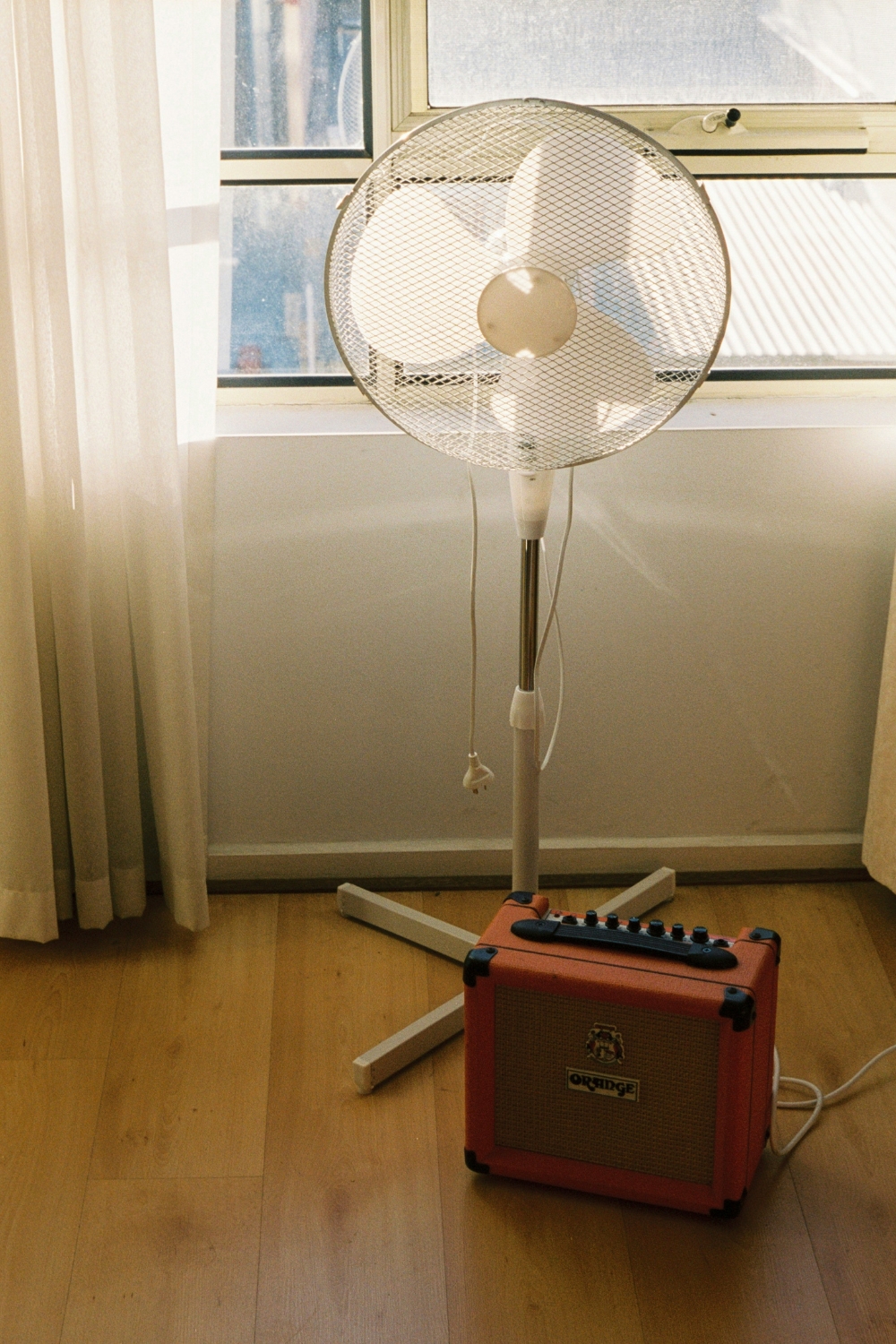
Good airflow is the first line of defense against dampness. Keep windows slightly open during dry spells to allow cross-ventilation. If your home lacks natural airflow, consider installing exhaust fans in bathrooms and kitchens.
Pro Tip: Use ceiling or pedestal fans for at least 15 minutes daily, even when it’s raining outside, to reduce moisture buildup.
2. Make use of natural moisture absorbers or a dehumidifier.
Dehumidifiers are highly effective in maintaining ideal humidity levels indoors (around 40–50%). If you prefer natural alternatives, use baking soda, rock salt, or activated charcoal in small bowls around damp-prone areas like wardrobes and corners.
Long-tail keyword: “natural ways to remove dampness during monsoon.”
3. Seal Wall Cracks and Leaks Before the Rain
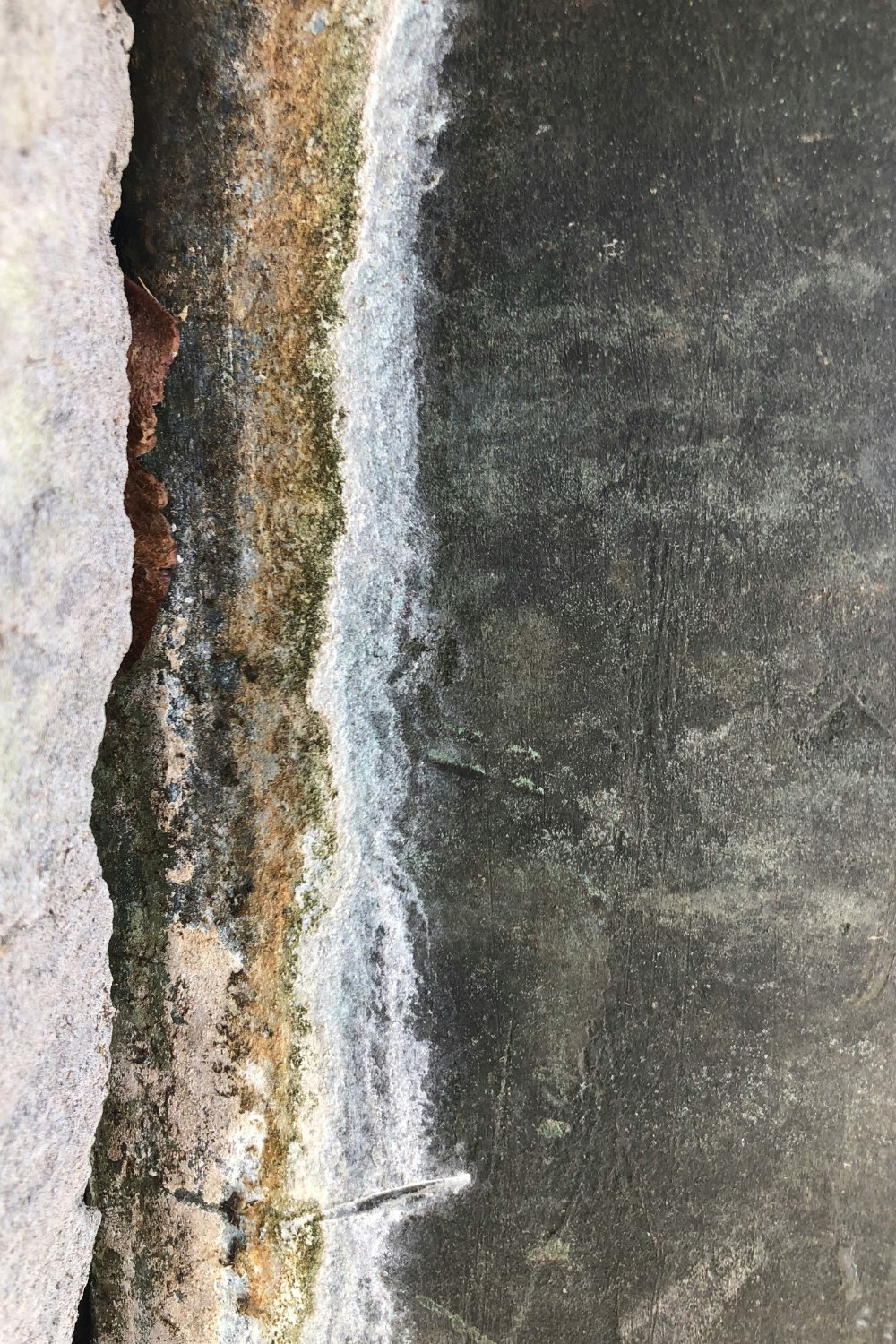
Inspect your walls, ceilings, and window frames for cracks or leaks before monsoon hits. Even small seepages can lead to big problems like fungus and wall dampness. Waterproof paint or silicon-based sealants work wonders to keep water out.
Real-life tip: A homeowner in Mumbai shared that applying a waterproof coating to balcony walls before the rains reduced wall dampness by 80%.
4. Avoid placing furniture near damp walls.

During monsoon months, keep furniture slightly away (at least 3 inches) from walls. This allows air circulation and prevents mold formation behind sofas or wardrobes. Wooden furniture, in particular, absorbs moisture easily, so consider using camphor or naphthalene balls inside cabinets.
5. How to Dry Your Clothes Smartly Indoors
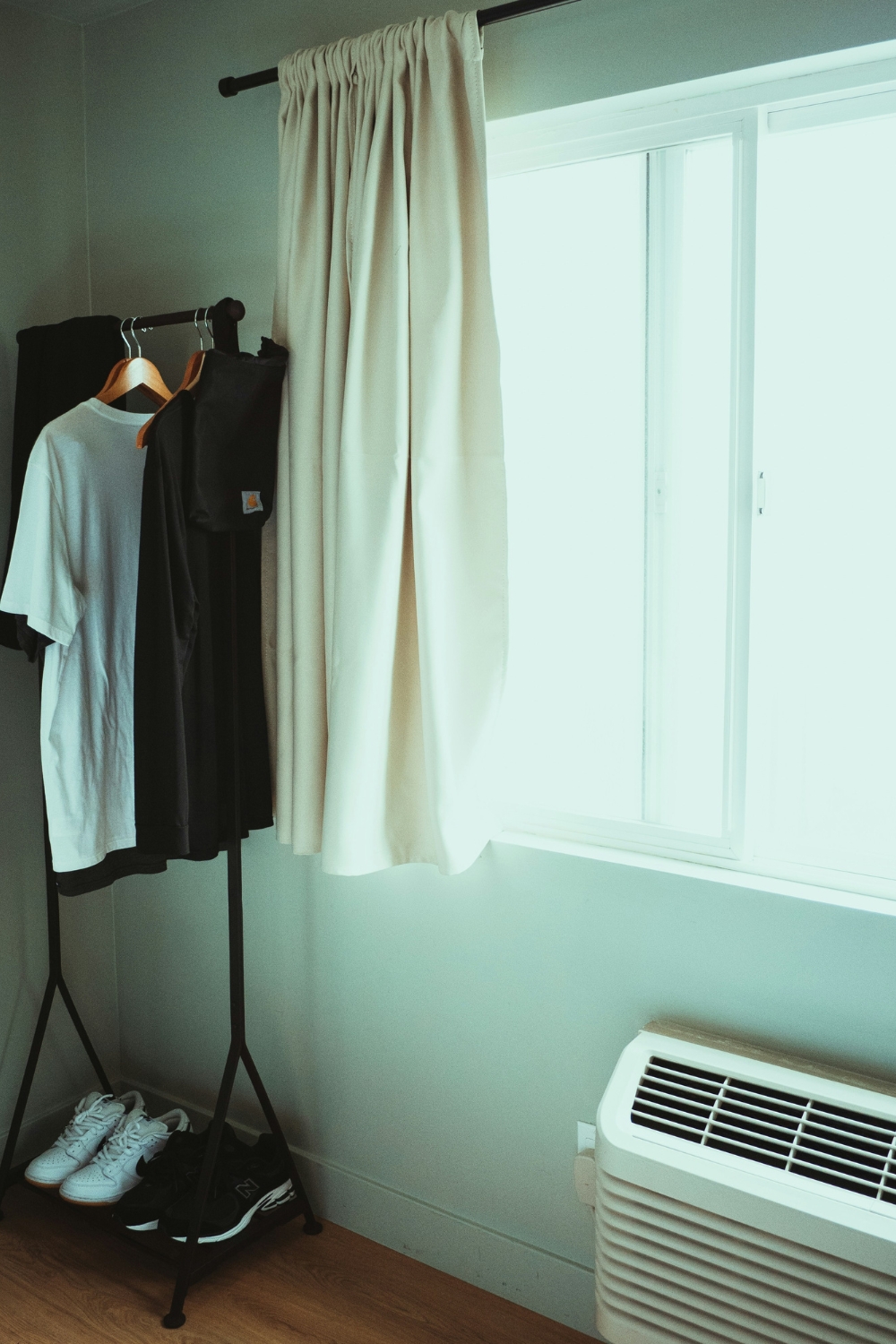
Drying clothes indoors is often unavoidable during the monsoon. However, hanging wet clothes in closed spaces increases humidity. Use a well-ventilated area, place a fan nearby, or invest in a heated drying rack to speed up drying and reduce indoor moisture.
6. Maintain Clean Flooring and Rugs
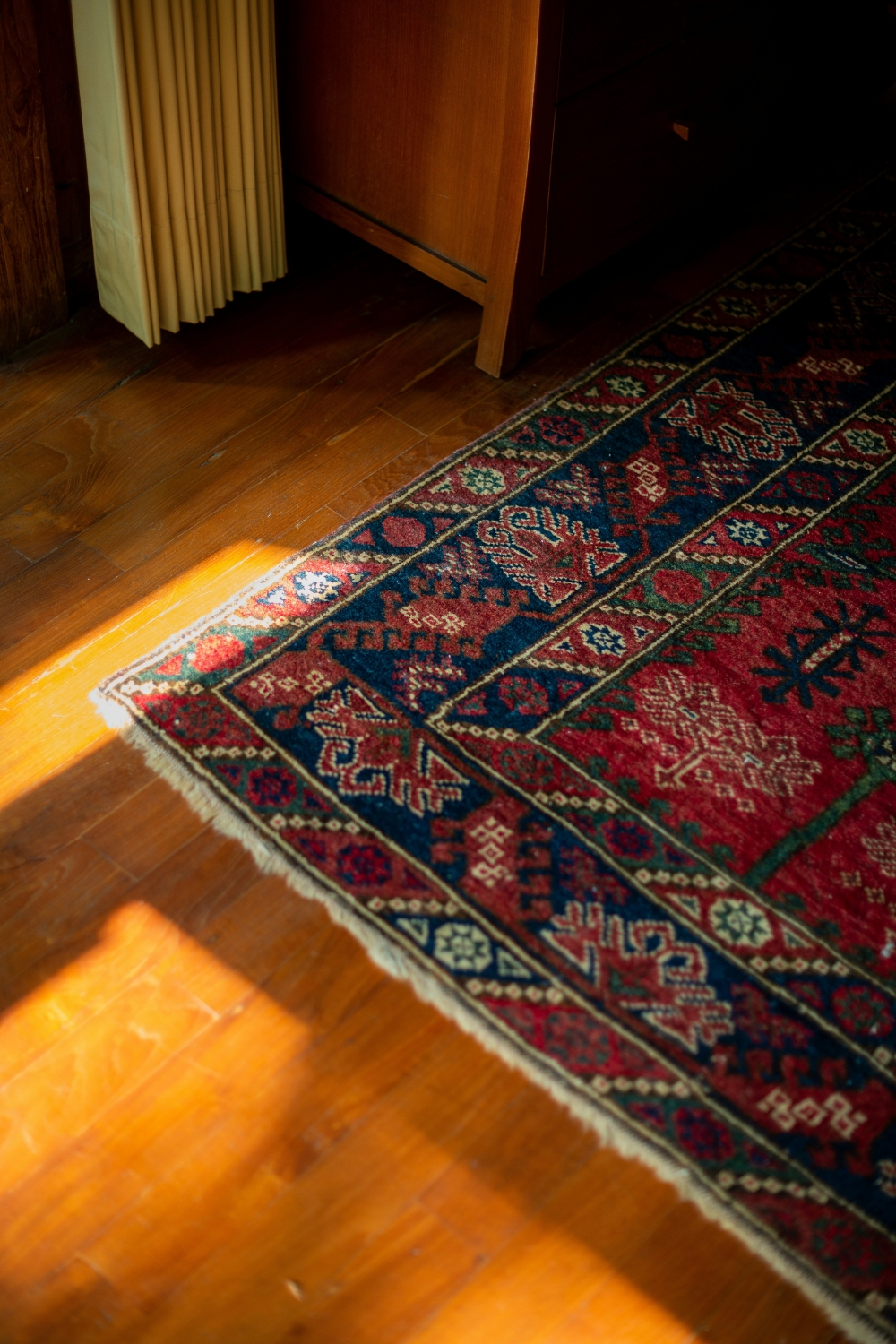
Moisture-laden floors can become slippery and encourage mildew. Mop floors with a disinfectant and a few drops of vinegar to prevent mold. Also, store away heavy carpets during the rainy months and use thin, washable mats instead.
7. Upgrade Your Lighting: LED vs. Traditional Lighting

Lighting plays a surprisingly big role in maintaining a dry, cozy ambiance.
LED vs. Traditional Lighting
| Feature | LED Lighting | Traditional Lighting |
|---|---|---|
| Heat Emission | Low heat helps keep rooms cooler | High heat may increase indoor humidity |
| Energy Efficiency | Uses 80% less energy | Consumes more electricity |
| Lifespan | Up to 50,000 hours | 1,000–2,000 hours |
| Moisture Resistance | LED fixtures are safer in damp conditions | Prone to short circuits in humidity |
Takeaway: Switch to LED lighting to reduce heat, save energy, and maintain a safer environment during the monsoon.
8. Take Care of Common Lighting Issues During the Monsoon

Problem: Flickering Lights or Short Circuits
Solution: Moisture often seeps into switchboards or exposed wiring. Use waterproof casings for outdoor lights and check for loose connections.
Problem: Dull or Inconsistent Lighting
Solution: Replace old bulbs with LED lights designed for damp areas—these maintain brightness and stability even in high humidity.
Problem: Mold Around Light Fixtures
Solution: Regularly clean fixtures and ensure no condensation forms around them.
Long-tail keyword: “lighting solutions for damp and humid homes.”
9. Utilize Moisture Absorbers and Silica Gel in Closed Spaces
Wardrobes, shoe racks, and storage boxes often trap moisture. Place silica gel packets or moisture absorber bags inside them to keep clothes and leather items mold-free. Replace them every few weeks for the best results.
10. Keep a Regular Cleaning Routine

Dust and moisture together create a breeding ground for bacteria. Wipe surfaces regularly, clean curtains and cushion covers, and ensure bathrooms are disinfected. A small effort every day can make your home smell fresh and look clean all season long.
Real-Life Monsoon Home Care Routine
Here’s a quick weekly routine followed by many homeowners in coastal regions:
-
Monday: Check windows and balcony doors for leaks.
-
Tuesday: Air out wardrobes for 15 minutes.
-
Wednesday: Use a dehumidifier in living spaces.
-
Thursday: Clean light fixtures and switchboards.
-
Friday: Mop floors with disinfectant and vinegar.
-
Saturday: Wash curtains and mats.
-
Sunday: Relax in your fresh, damp-free home!
Final Thoughts
Keeping your home damp-free during the monsoon isn’t about expensive equipment—it’s about consistency and smart habits. By combining natural moisture control methods, LED lighting upgrades, and regular maintenance, you can enjoy the rain without worrying about dampness or odor.
Remember: a dry home is not only more comfortable but also healthier for you and your family.