

10 Ways to Choose Furniture That Fits Small Spaces Perfectly
Designing small spaces can be challenging, especially when it comes to furniture. Selecting pieces that are both stylish and functional without overwhelming your space requires careful planning. Here are 10 practical ways to choose furniture for small spaces to maximize comfort, style, and functionality.
1. Measure Before You Buy

One of the most common mistakes is buying furniture without knowing the dimensions of your space. Use a tape measure to note the length, width, and height of your room. This ensures that every piece fits perfectly without making the space feel cramped.
Tip: Draw a floor plan to visualize how furniture will fit. Many apps, like Roomstyler or Planner 5D, make this easier.
2. Opt for Multi-Functional Furniture
In small spaces, furniture that serves more than one purpose is a game-changer. Examples include:
-
Sofa beds: For living areas doubling as guest rooms
-
Storage ottomans: A place to sit and store items
-
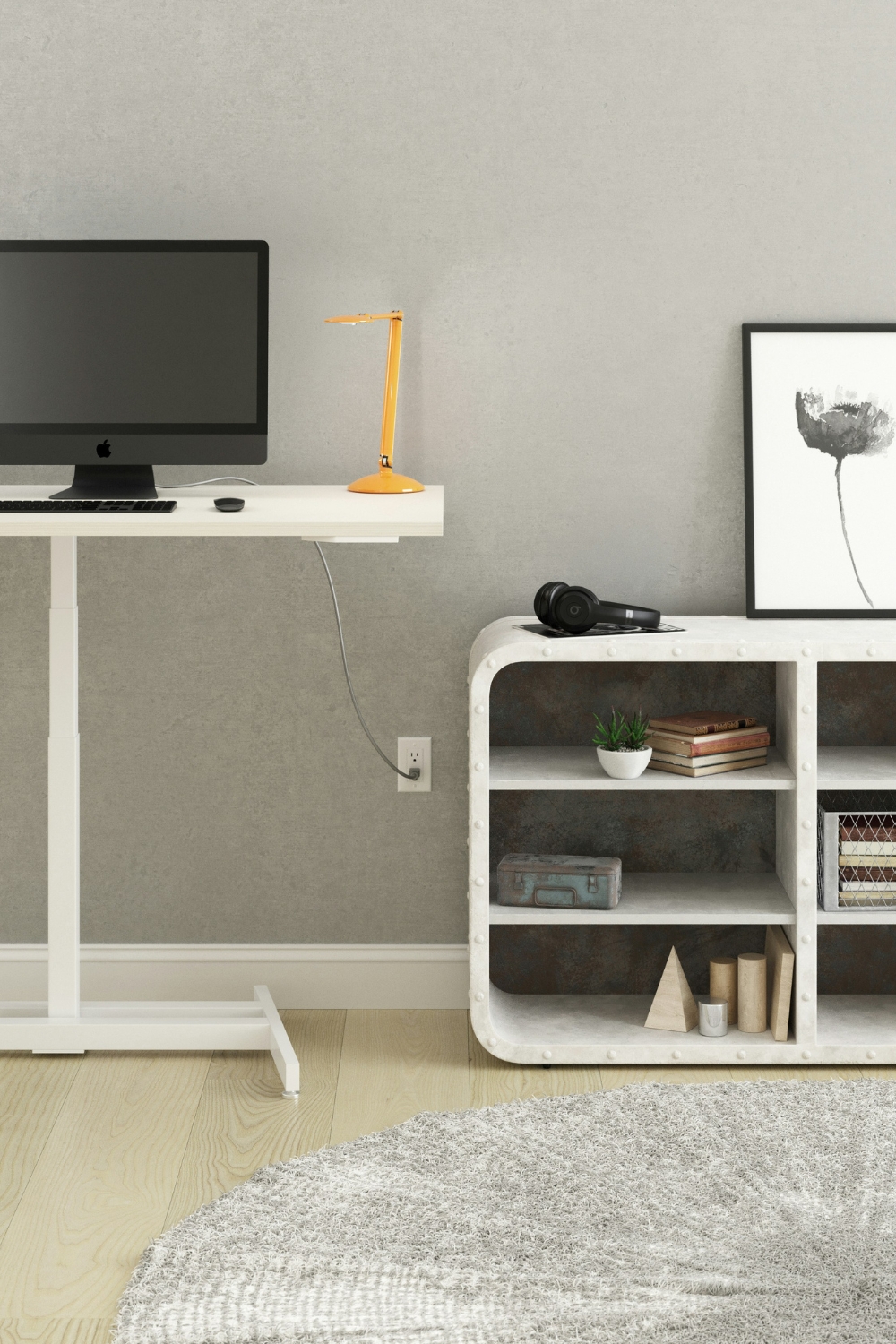
Foldable desks or tables: Perfect for compact home offices
Multi-functional furniture reduces clutter and maximizes space efficiency.
3. Choose Light-Colored Furniture

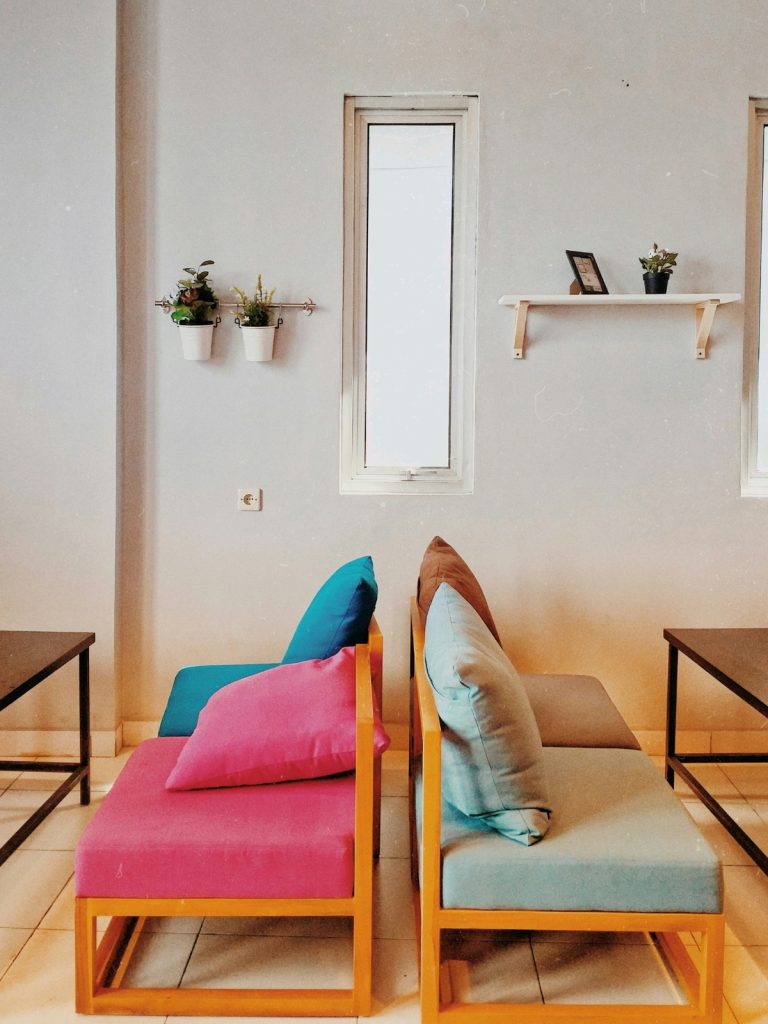
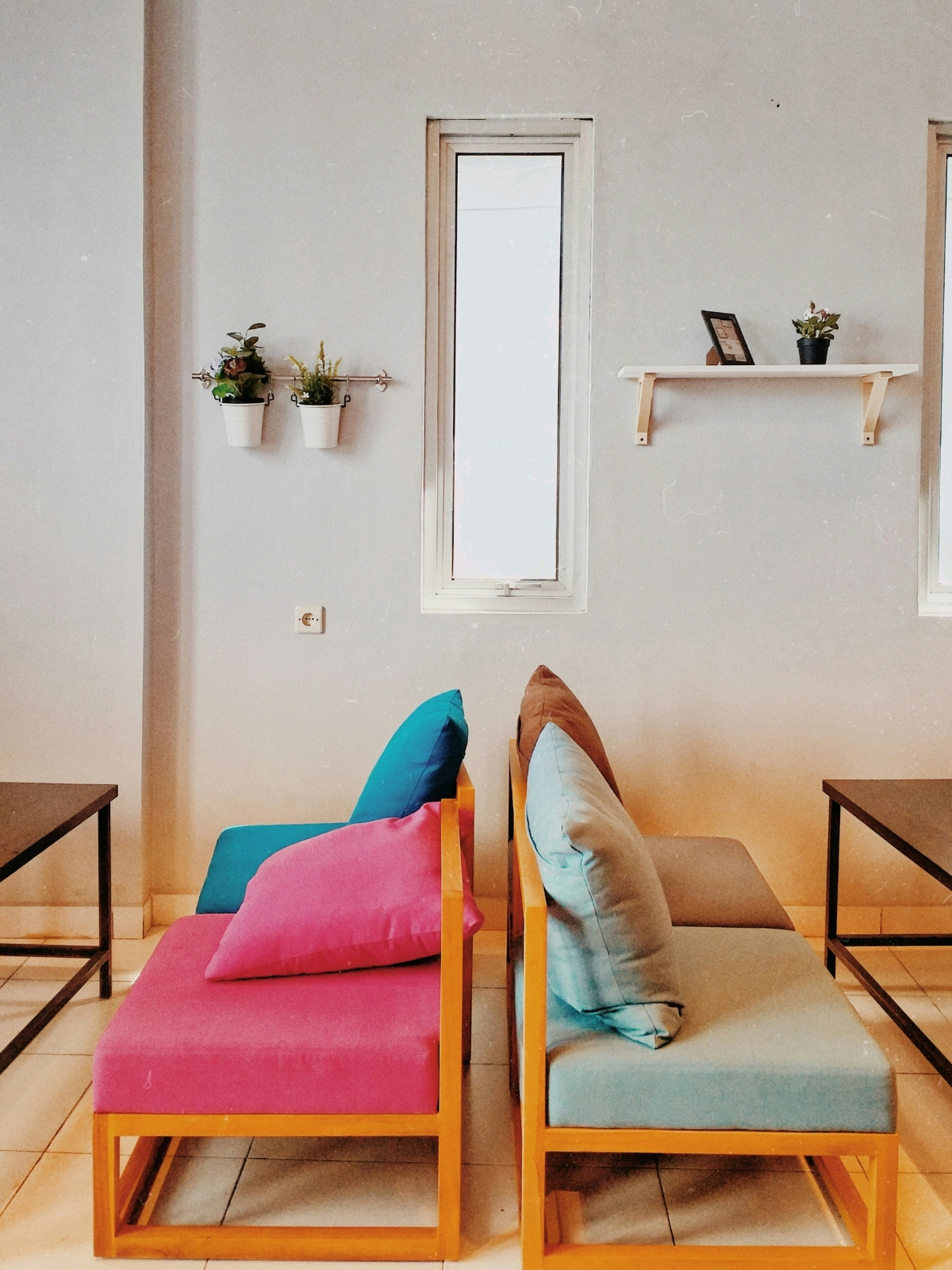
Light-colored furniture, such as beige, white, or pastel shades, creates an airy and open feel. Dark furniture can make a small space look even smaller, so consider soft neutral tones that reflect light and make the room appear larger.
Practical Tip: Pair light furniture with mirrors or reflective surfaces to amplify the sense of space.
4. Use Vertical Space Wisely
Small rooms benefit from vertical storage solutions:
-
Tall bookshelves instead of wide ones
-
Wall-mounted cabinets
-
Floating shelves
This strategy keeps floors clear while providing ample storage and display space.
5. Prioritize Furniture with Slim Profiles

Bulky furniture dominates small spaces. Look for pieces with slim legs, sleek arms, and minimalistic designs. A sofa or chair with exposed legs, for instance, creates an illusion of more floor space.
Real-Life Tip: A local friend transformed a 200 sq. ft. studio by swapping a chunky couch for a mid-century modern slim sofa—it instantly felt twice as big.
6. Go for Modular Furniture
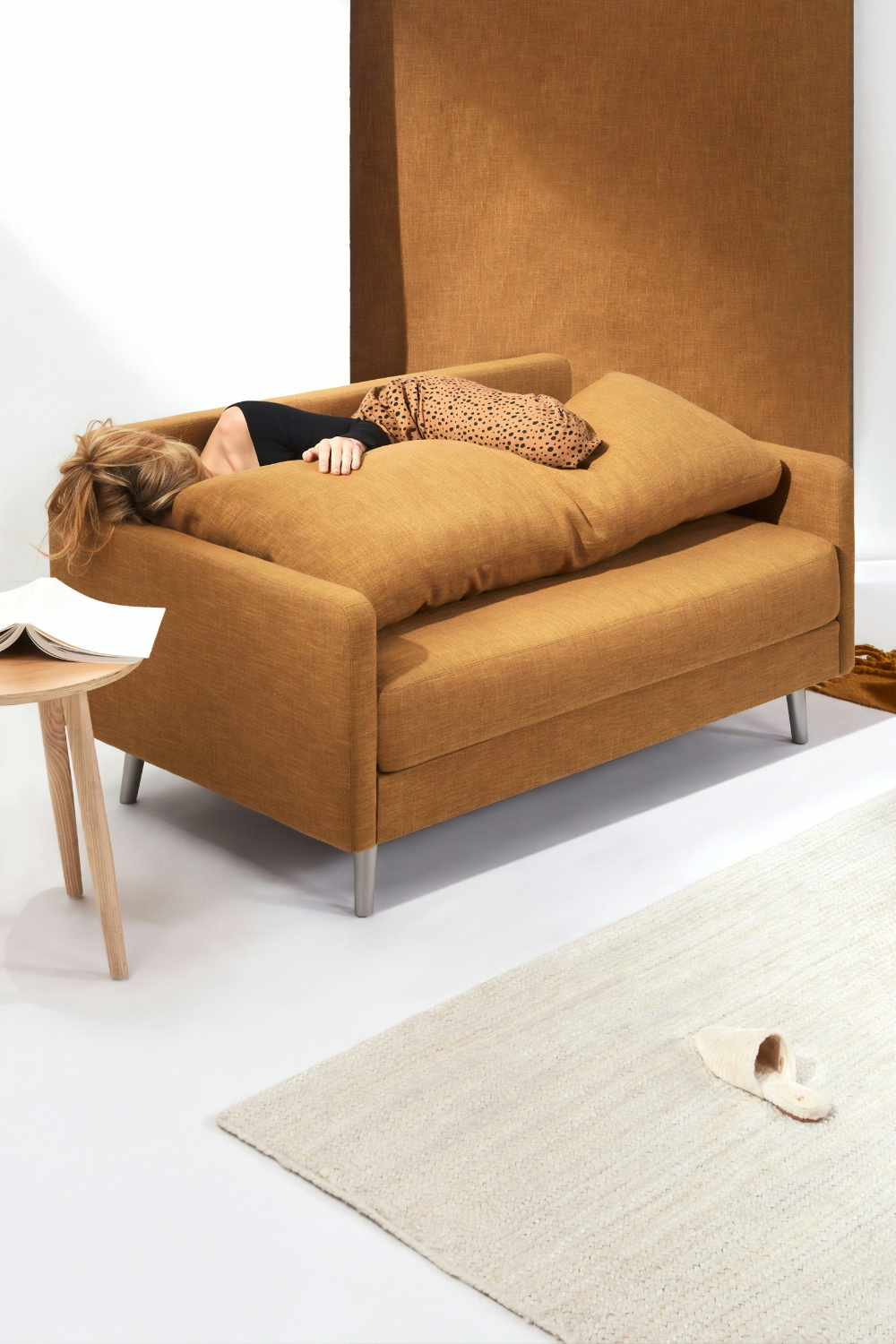
Modular furniture allows flexibility and adaptability. You can rearrange sections as needed to accommodate guests, optimize traffic flow, or repurpose the room for multiple functions.
Examples: Modular sofas, stackable chairs, or modular shelving units.
7. Compare Lighting Options: LED vs. Traditional Lighting
Lighting dramatically affects how spacious a room feels. Here’s a quick comparison:
| Feature | LED Lighting | Traditional Lighting |
|---|---|---|
| Energy Efficiency | Very high | Moderate to low |
| Lifespan | 10–25 years | 1–2 years |
| Heat Emission | Minimal | Higher can make space feel stuffy |
| Light Quality | Bright, versatile, adjustable | Warm, sometimes limited |
Pro Tip: LED lighting with adjustable brightness helps make small spaces feel larger and more inviting.
8. Solve Common Lighting Challenges
Small spaces often struggle with dark corners and uneven light distribution. Here are practical solutions:
-
Use multiple light sources: Combine ceiling lights, floor lamps, and task lighting
-
Install wall sconces: Free up floor space while providing ambient lighting
-
Add mirrors: Reflect natural and artificial light to brighten the room
-
Choose light-colored lampshades: They diffuse light evenly
By addressing lighting challenges, furniture placement and visual flow become easier.
9. Select Furniture with Hidden Storage
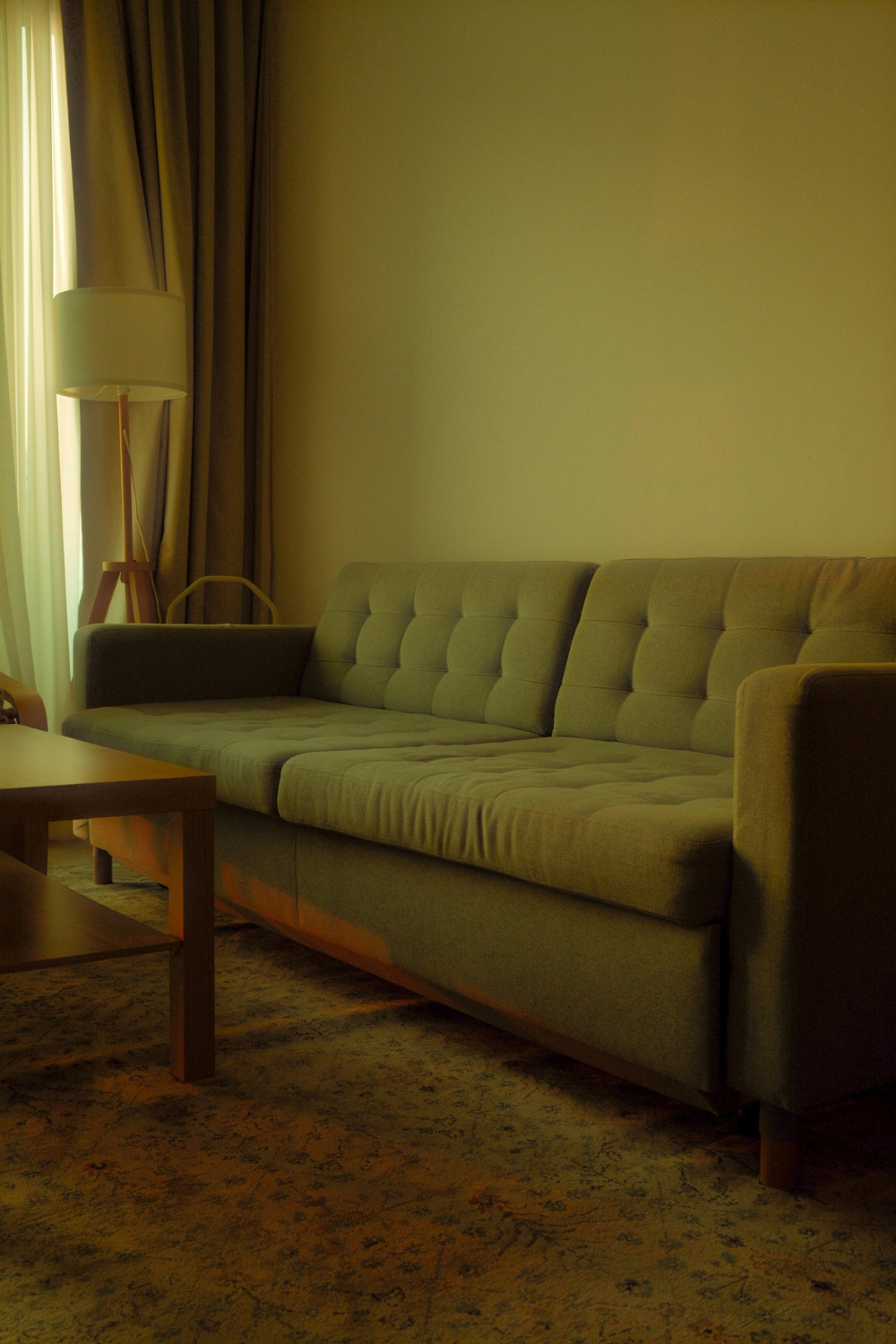
Hidden storage is essential in small homes. Think about:
-
Beds with drawers underneath
-
Coffee tables with compartments
-
Benches with storage inside
Real-Life Tip: A neighbor in a tiny NYC apartment uses storage benches for shoes, blankets, and magazines—combining functionality with style.
10. Keep Traffic Flow in Mind

Furniture arrangement should prioritize ease of movement. Avoid overcrowding and ensure there’s enough space to walk comfortably.
Practical Tip: Maintain at least 2–3 feet of clearance around main walkways. If in doubt, use painter’s tape on the floor to map out the furniture footprint before buying.
Conclusion
Furnishing small spaces doesn’t mean sacrificing style or comfort. By following these 10 ways to choose furniture for small spaces, you can create a functional, beautiful, and clutter-free home. Focus on measurement, multifunctionality, lighting, vertical storage, and modularity to maximize every square foot. With careful planning and smart choices, small spaces can feel surprisingly spacious and inviting.
Long-Tail Keywords Incorporated Naturally:
-
Furniture for small spaces
-
Multi-functional furniture for small rooms
-
space-saving furniture ideas
-
small apartment furniture tips
-
LED lighting for small spaces