

10 Wood vs. Metal Furniture Comparisons – Which Is Better for You?
When furnishing your home, one of the most common dilemmas is wood vs. metal furniture. Both materials offer unique strengths and challenges, making the choice highly personal. From durability and style to maintenance and cost, this guide explores 10 key comparisons to help you decide which material best suits your home and lifestyle.
1. Durability and Strength

Wood Furniture: Solid hardwood furniture, like oak or teak, can last decades if properly cared for. It resists everyday wear but may scratch or dent.
Metal Furniture: Steel and aluminum furniture are highly resistant to impact and heavy use. However, metal can bend under extreme weight and may rust if not treated.
2. Style and Aesthetic Appeal

Wood: Warm, timeless, and versatile. Works well in rustic, farmhouse, and traditional interiors. Each piece has unique grain patterns, adding character.
Metal: Sleek, modern, and industrial. Ideal for minimalist or contemporary homes. Often paired with glass or leather for a chic look.
3. Comfort Factor
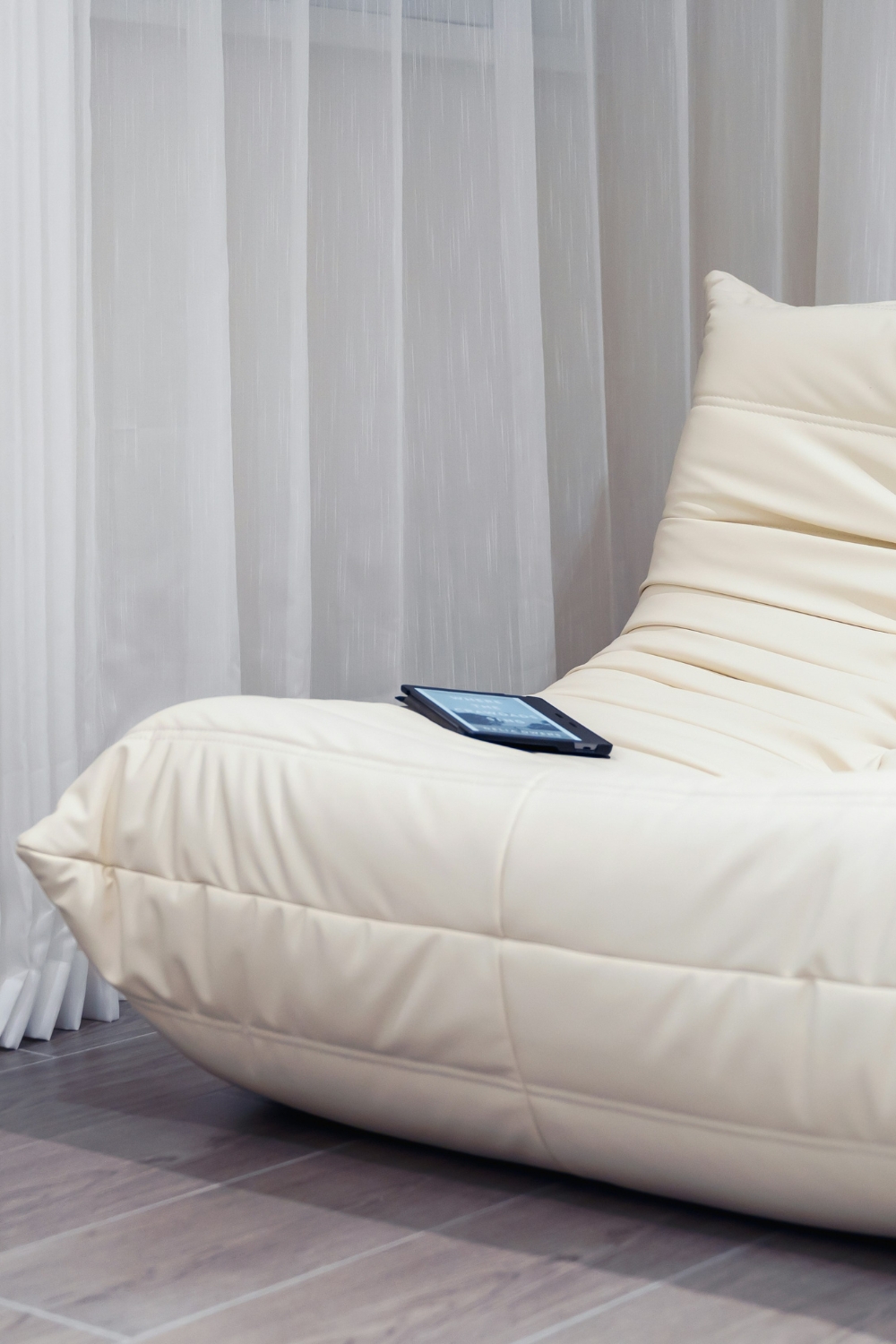
Wood: Naturally warmer to the touch, making dining chairs, beds, and tables feel inviting.
Metal: Often feels cold and rigid. Cushions or upholstery are usually needed for comfort.
4. Cost and Budget

Wood: Solid wood tends to be more expensive but holds its value over time. Engineered wood is cheaper but less durable.
Metal: Generally more budget-friendly, especially in mass-produced designs. However, high-quality wrought iron can be costly.
5. Maintenance and Care

Wood: Requires regular polishing and protection from moisture. Spills can cause stains or warping.
Metal: Easy to clean with a damp cloth. Needs rust prevention if exposed to humidity. Powder-coated finishes last longer.
6. Weight and Mobility

Wood: Heavier and harder to move, especially with solid hardwood.
Metal: Lighter versions (like aluminum) are portable, while wrought iron can be equally heavy as wood.
7. Sustainability and Eco-Friendliness

Wood: When sourced responsibly, wood furniture is renewable and biodegradable. Look for FSC-certified products.
Metal: Recyclable but energy-intensive to produce. Sustainability depends on the manufacturing process.
8. Longevity in Different Climates

Wood: Sensitive to humidity—may swell in damp climates or crack in dry ones.
Metal: Performs well in most climates but needs protection from rust near coastal areas.
9. Versatility in Design

Wood: Can be carved, painted, or stained to match changing interiors.
Metal: Often comes in fixed designs but works beautifully in modern modular furniture.
10. Safety and Family-Friendliness

Wood: Softer edges and warmer textures make wood safer for children.
Metal: Sharp corners or exposed edges can be risky, but modern designs often round edges for safety.
Comparison Table: Wood vs. Metal Furniture
| Feature | Wood Furniture | Metal Furniture |
|---|---|---|
| Durability | Strong, may scratch/dent | Highly durable, rust risk |
| Style | Warm, classic, versatile | Modern, sleek, industrial |
| Comfort | Warm and inviting | Cold, needs cushions |
| Cost | Higher upfront, long-term value | Affordable, high-end options are costly |
| Maintenance | Needs polishing, sensitive to spills | Easy to clean, rust protection needed |
Problem-Solving: Common Furniture Challenges
Problem 1: Scratches and Dents on Wooden Surfaces
Solution: Use protective mats and apply wood polish regularly. For small scratches, a mixture of vinegar and olive oil can minimize visibility.
Problem 2: Rust on Metal Frames
Solution: Keep metal furniture indoors or covered. Apply rust-resistant spray annually for outdoor pieces.
Problem 3: Choosing Between Comfort and Style
If you love the sleek look of metal but want comfort, invest in cushioned chairs or mixed-material designs (wood seats with metal frames).
Real-Life Tips from Homeowners
-
“We invested in a solid oak dining table 15 years ago. Despite scratches from kids’ toys, it’s aged beautifully and feels like part of our family story.” – Rachel, Austin, TX.
-
“I bought metal bar stools for our modern kitchen. They were affordable, easy to clean, and adding seat cushions made them just as comfortable.” – Dan, Chicago, IL.
-
“Living near the coast, we avoid untreated metal furniture because of rust. Teak wood works better for outdoor spaces.” – Maya, San Diego, C.A
Final Thoughts: Which Is Better?
There’s no one-size-fits-all answer to the wood vs. metal furniture debate. If you value warmth, timeless style, and long-term investment, wood may be the better choice. If you prefer affordability, modern aesthetics, and low maintenance, metal furniture might suit you.
The best option? Consider a blend of both—like a wooden tabletop with metal legs—for a balance of durability and style that works in almost any home.