
Introduction:
Many homeowners overlook key furniture placement rules that can make a big difference in how a room feels and functions. Expert tips on spacing, alignment, and focal points help create layouts that maximize comfort, flow, and visual appeal, transforming any space into a cohesive and inviting home.
If you’ve ever walked into your living room and felt like something just wasn’t right—but couldn’t explain why—you’re not alone. Over the years, I’ve helped friends, family members, and even clients rearrange spaces that looked perfectly fine on paper yet felt awkward in real life. The truth is, most homeowners unknowingly ignore a handful of furniture placement rules that designers rely on every day.
This guide breaks down those often-overlooked rules using real-life experiences, practical solutions, and easy-to-follow advice. Whether you’re arranging furniture in a small living room or trying to make an open-concept space feel cozy, these insights can completely change how your home feels.
Stop Pushing All Furniture Against the Walls

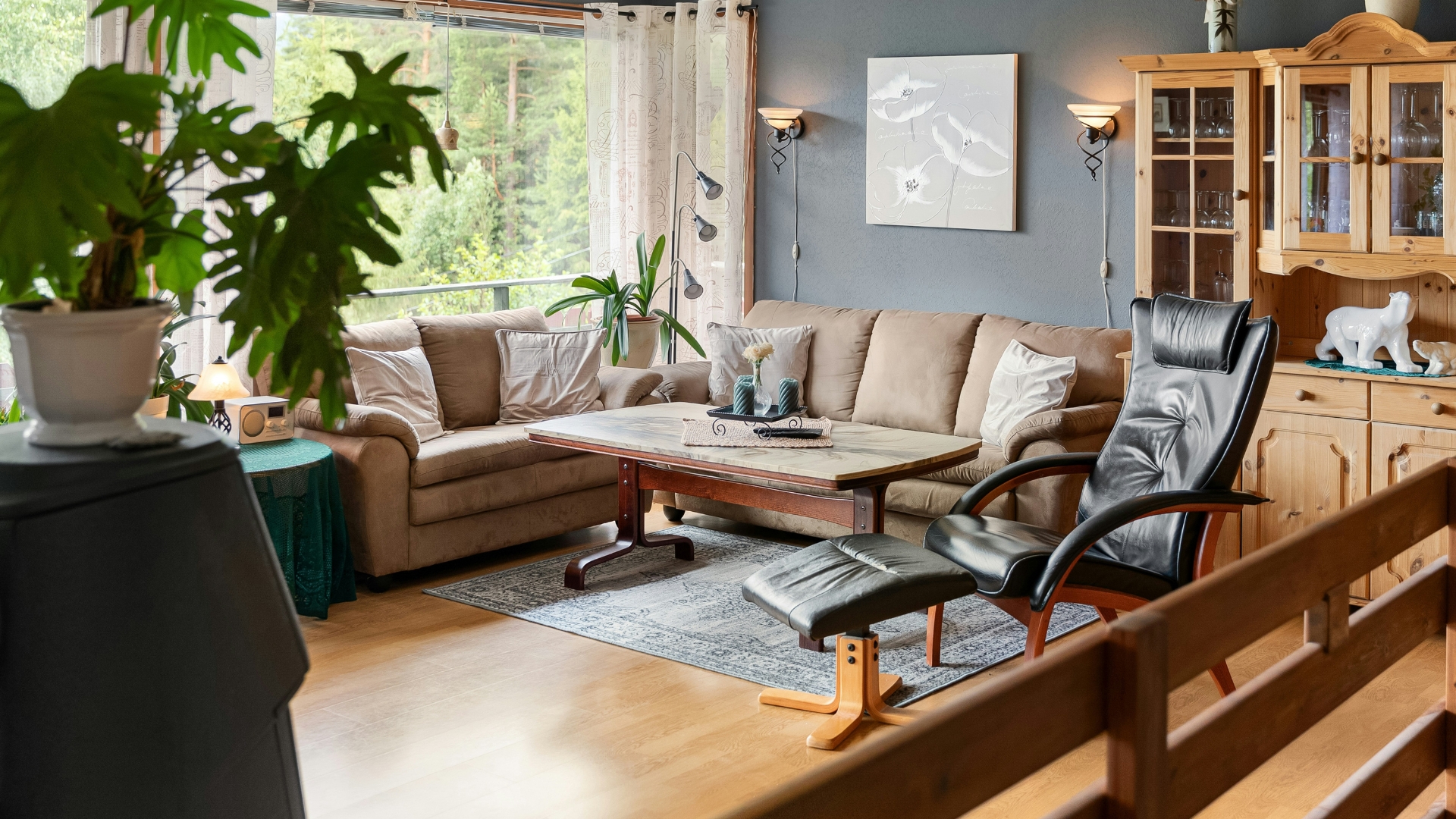
This is probably the most ignored furniture placement rule of all time. Many homeowners believe pushing furniture to the walls makes rooms look bigger. In reality, it often creates cold, disconnected spaces.
In my first apartment, I lined my sofa, chairs, and bookshelf against the walls. The room felt more like a waiting area than a home. Once I floated the sofa forward and added a console table behind it, the room instantly felt intentional.
Long-tail keyword tip: Furniture placement rules for small living rooms often emphasize floating furniture to improve depth.
Traffic Flow Comes Before Style

A beautifully styled room means nothing if you’re constantly bumping into furniture. Designers always map out traffic flow before finalizing layouts.
How to Test Traffic Flow
Walk through your room as if you’re carrying groceries or hosting guests. Are you zigzagging? That’s a sign your layout needs adjustment.
According to the spatial design principles outlined on
Wikipedia’s Interior Design page states that circulation space is essential for comfort and functionality.
Your Rug Should Anchor the Furniture, Not Float Alone
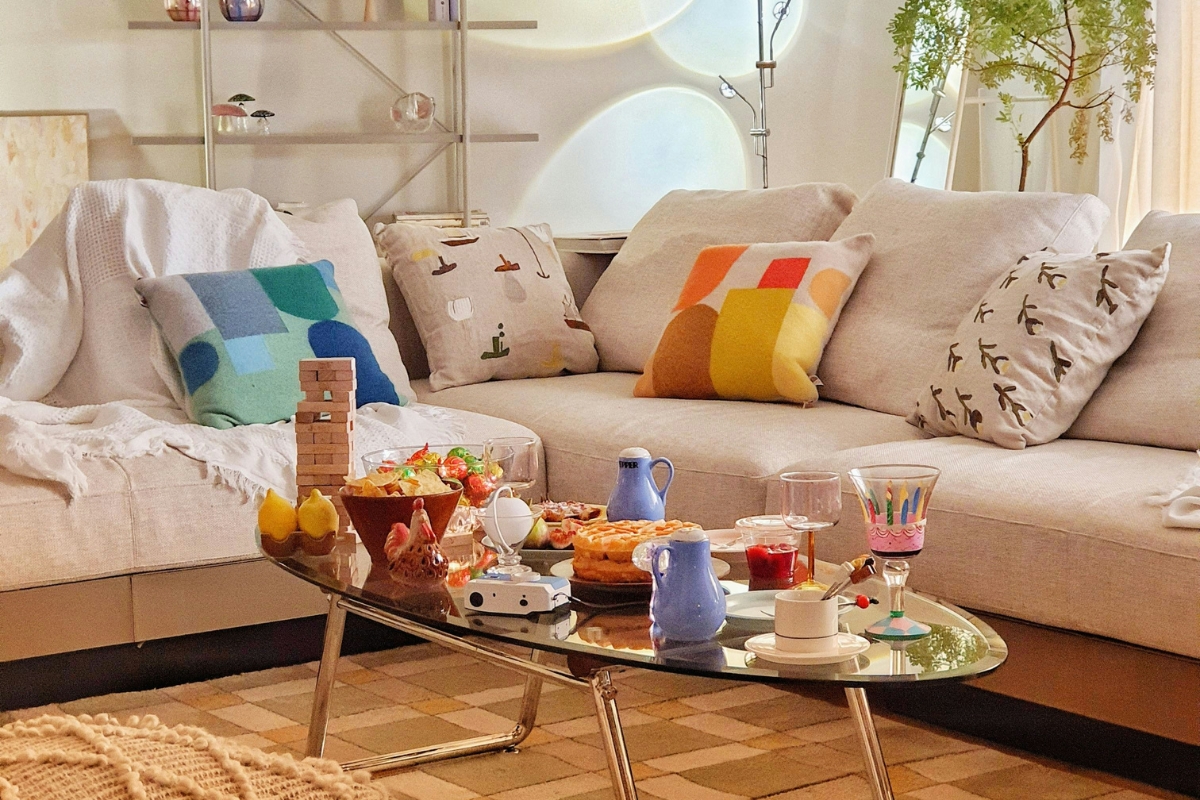
One of the most overlooked furniture placement rules involves rugs. A rug that’s too small visually shrinks a room.
Proper Rug Placement Guidelines
-
Front legs of sofas and chairs should sit on the rug
-
Dining room rugs should extend beyond chairThe frontn pulled out
-
Bedrooms benefit from rugs that extend at least 18–24 inches around the bed
The Spruce offers excellent visual examples of proper rug sizing and placement:
https://www.thespruce.com/rug-size-guide-2213468
Don’t Design the Room Around the TV
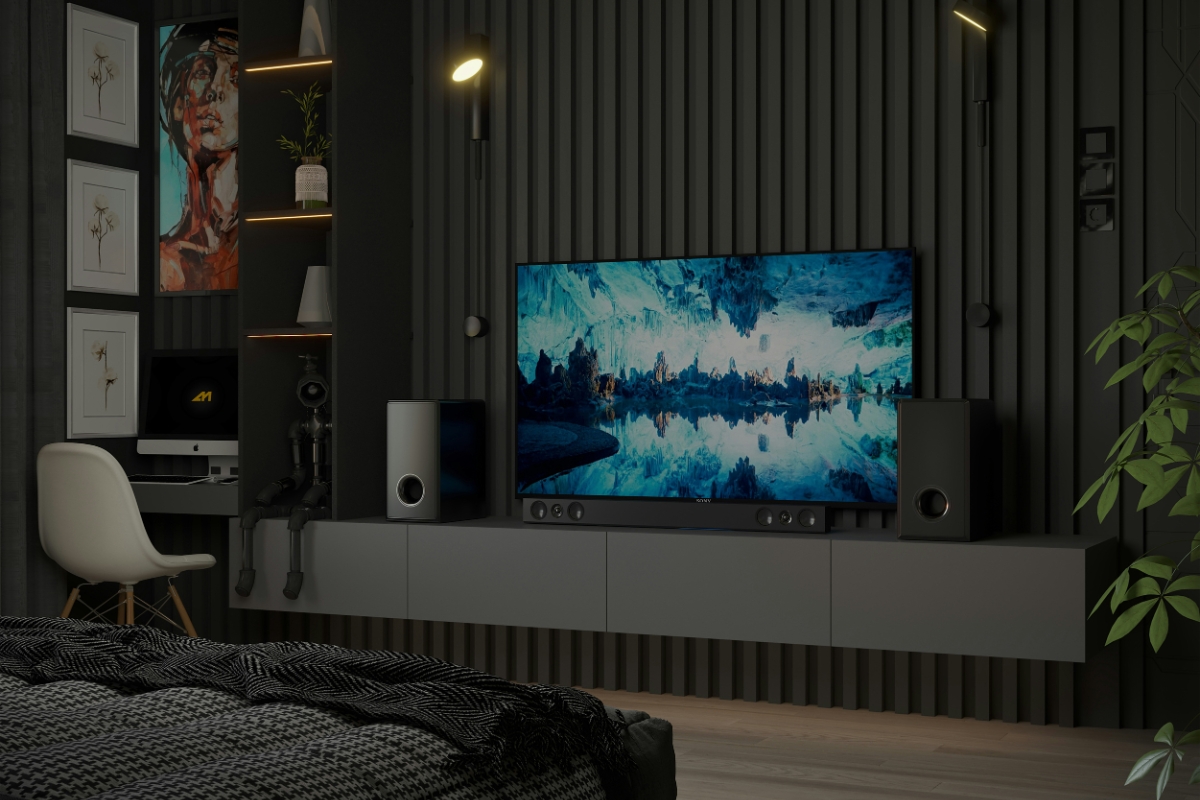
This one hits close to home. I once helped a friend redesign her living room where every seat pointed toward the television—even the accent chair.
While TVs are important, they shouldn’t dominate furniture placement. Instead, balance screen viewing with conversation.
Practical tip: Angle chairs slightly toward both the TV and the sofa to create flexibility.
Scale Matters More Than Matching Sets

Matching furniture sets may feel safe, but they often ignore scale. A slim sofa paired with bulky chairs creates an imbalance.
How to Fix Scale Issues
-
Mix visual weights (light + heavy pieces)
-
Match seat heights across furniture
-
Keep coffee tables about two-thirds the length of the sofa
These furniture placement rules for balanced interiors help rooms feel curated rather than showroom-like.
Lighting and Furniture Placement Are Connected
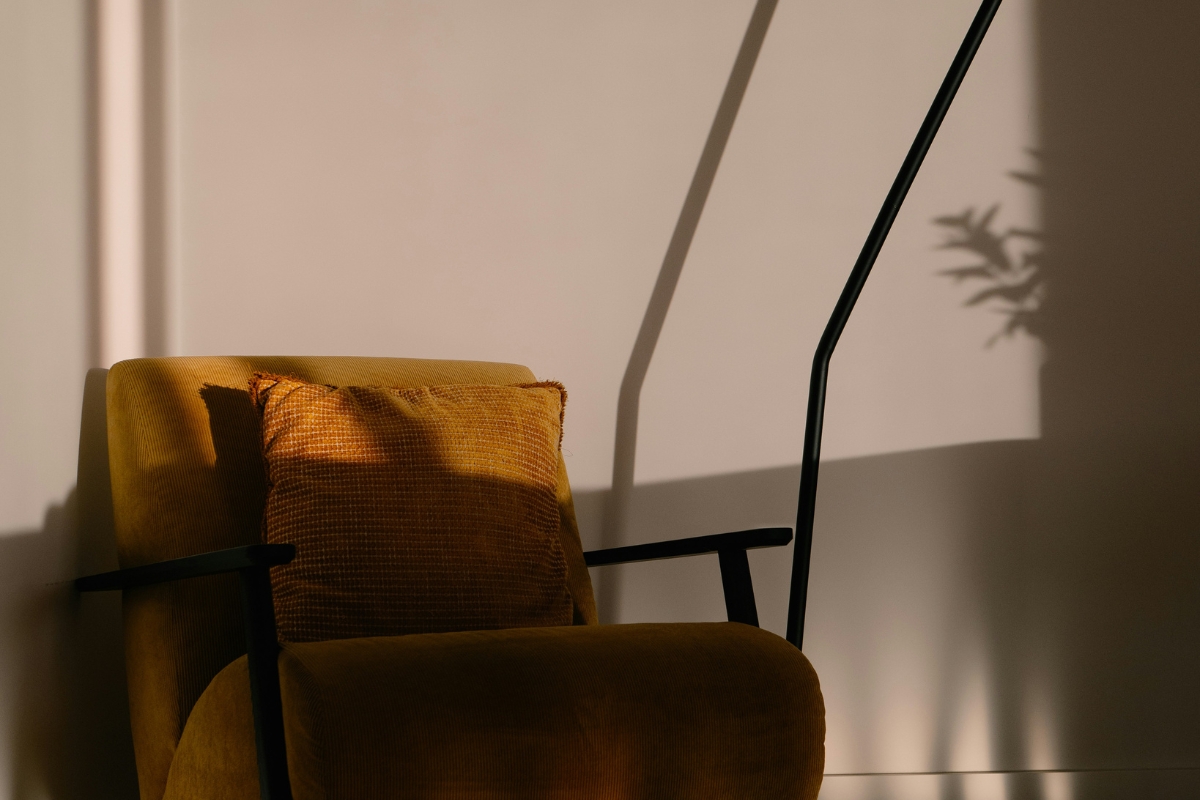
Most homeowners treat lighting as an afterthought, but furniture placement should work with light sources—not against them.
I once repositioned a reading chair just two feet closer to a window, eliminating the need for a floor lamp.
The Lighting Research Center explains how proper lighting placement improves comfort and usability:
https://www.lrc.rpi.edu
Negative Space Is Not Wasted Space

Space allows rooms to breathe. Overfilling a room with furniture—even stylish pieces—creates space.
Signs You Need More Negative Space
-
You feel restless in the room
-
Decor feels cluttered despite organization
-
Furniture touches too often
Sometimes, removing one item improves the entire layout.
Measure Before You Buy (Always)
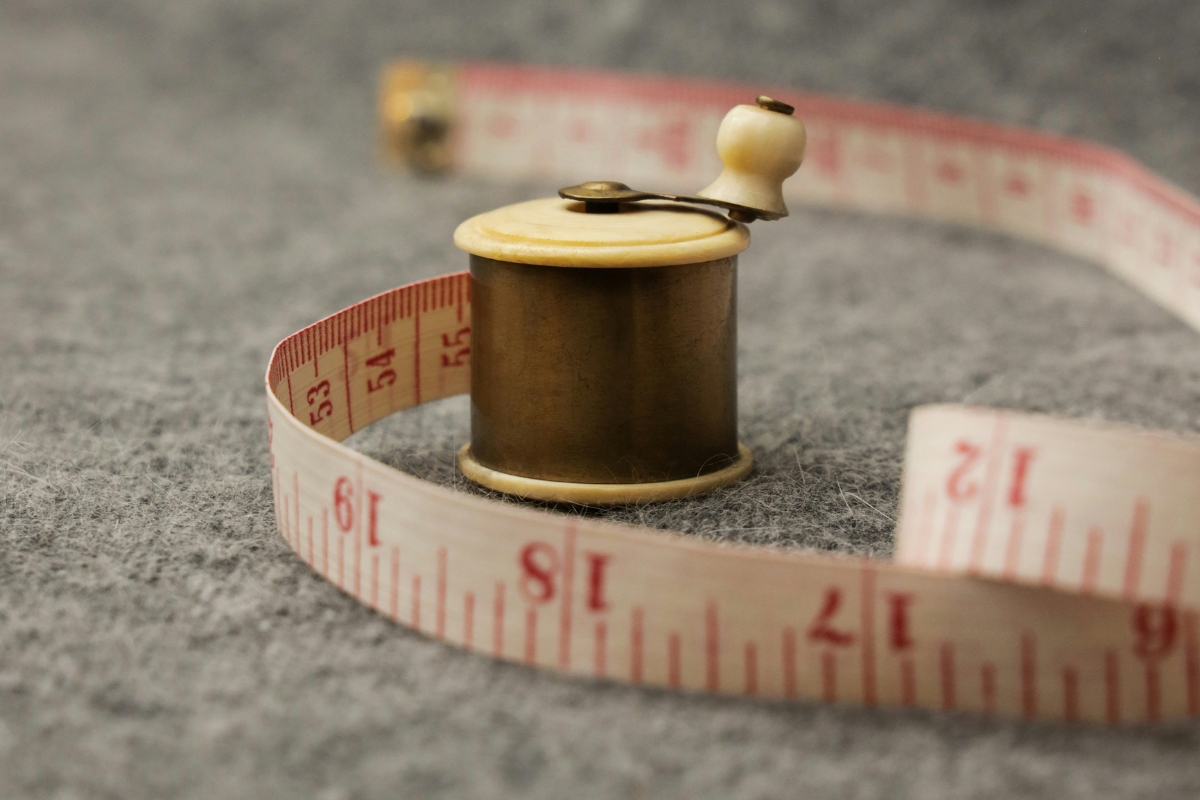
This sounds obvious, yet it’s constantly ignored. I’ve seen stunning sofas returned simply because doorways or room proportions weren’t considered.
Furniture placement rule for open-concept homes: Measure zones, not just rooms. Define dining, lounging, and walking areas separately.
HGTV offers practical measuring advice that homeowners often overlook:
https://www.hgtv.com/design/decorating/design-101/how-to-measure-a-room
Symmetry Isn’t Always the Answer

While symmetry creates calm, too much of it feels stiff. Asymmetrical furniture placement often feels more natural and lived-in.
Try pairing a sofa with mismatched side tables or using different chair styles that share a similar scale.
Function Should Lead, Style Should Follow

The final and most important furniture placement rule: design for how you live.
Ask yourself:
-
Do you host often?
-
Do kids or pets use this room?
-
Is this space for relaxing, working, or entertaining?
Once the function is clear, placement decisions become easier—and smarter.
Comparison Section: Common Furniture Placement Habits vs. Thoughtful Design Choices
| Common Homeowner Habit | Thoughtful Furniture Placement Rule |
|---|---|
| Pushing all furniture against the walls | Floating furniture to create balance and conversation zones |
| Buying furniture before measuring | Measuring room scale, walkways, and sightlines first |
| Centering everything on the TV | Designing around human interaction, not just screens |
| Ignoring traffic flow | Prioritizing natural movement paths |
| Using one large rug or none | Layering correctly-sized rugs to define spaces |
This comparison highlights why many rooms feel “off” even when they’re well-decorated. The difference lies not in taste, but in understanding overlooked furniture placement rules.
Problem-Solving Section: Common Furniture Layout Challenges and Smart Solutions
Challenge: Rooms That Feel Crowded Despite Plenty of Space
Solution: Reconsider scale and spacing. Oversized sofas or bulky tables often overwhelm rooms. Leaving at least 30–36 inches for walkways dramatically improves flow.
Challenge: Living Rooms That Lack Conversation Areas
Solution: Pull furniture closer together. Chairs and sofas should sit within 8 feet of each other to encourage interaction.
Challenge: A wkward Empty Corners
Solution: Add purpose—reading chairs, floor lamps, or plants help anchor dead zones without cluttering them.
These challenges are incredibly common, and solving them usually requires rearranging—not replacing—what you already own.
Final Thoughts: Why These Furniture Placement Rules Matter
Ignoring furniture placement rules doesn’t mean you have bad taste—it means no one ever taught you how space really works. The good news? Rearranging costs nothing and often delivers instant results.
Start small. Move one chair. Shift the rug. Float the sofa. You’ll be surprised how quickly your home begins to feel more comfortable, intentional, and truly yours.
Author’s Creativity Note
I’ve always believed that homes quietly tell stories—about routines, habits, and the people who live in them. Over the years, I’ve rearranged rooms during late-night bursts of inspiration, helped friends move couches while laughing on moving day, and learned that the smallest furniture shifts can completely change how a space feels. Writing about furniture placement isn’t just about rules—it’s about understanding how we live, relax, and connect at home. My goal is to make the design feel approachable, human, and forgiving. Because a well-placed chair isn’t about perfection—it’s about comfort, ease, and feeling like you belong exactly where you are.