
If you’ve ever stood in an empty room (or a cluttered one) and thought, “Why does this just feel… off?” — you’re not alone. Creating a balanced room layout is one of those design skills that looks effortless in magazines but feels confusing in real life.
Lately, balanced, intentional room layouts have become a major home decor trend — and honestly, it makes so much sense right now. People are craving calm, cozy spaces that work for real life, not just Instagram. We want rooms that feel grounded, functional, and visually pleasing without being stiff or over-designed.
The good news? You don’t need an interior design degree or a huge budget to create a beautifully balanced room. You just need a thoughtful approach — and that’s exactly what I’m walking you through today.
Grab a coffee, imagine your space, and let’s build a room layout that finally feels right.
What Does a “Balanced Room Layout” Really Mean?
Before we jump into furniture moving, let’s clear something up.
A balanced room layout doesn’t mean everything is perfectly symmetrical or matchy-matchy. Instead, it means:
-
The room feels visually even and calm
-
Furniture placement makes sense for how you live
-
No area feels too heavy, empty, or cluttered
-
Your eyes can move around the room comfortably
This trend is popular right now because it blends function + comfort, + modern style. It works beautifully in small apartments, open-concept homes, and cozy rooms alike.
Think of balance as creating a room that feels welcoming the moment you walk in — not one that makes you wonder where to sit or how to move around.
How to Create a Balanced Room Layout from Scratch
Start With the Purpose of the Room
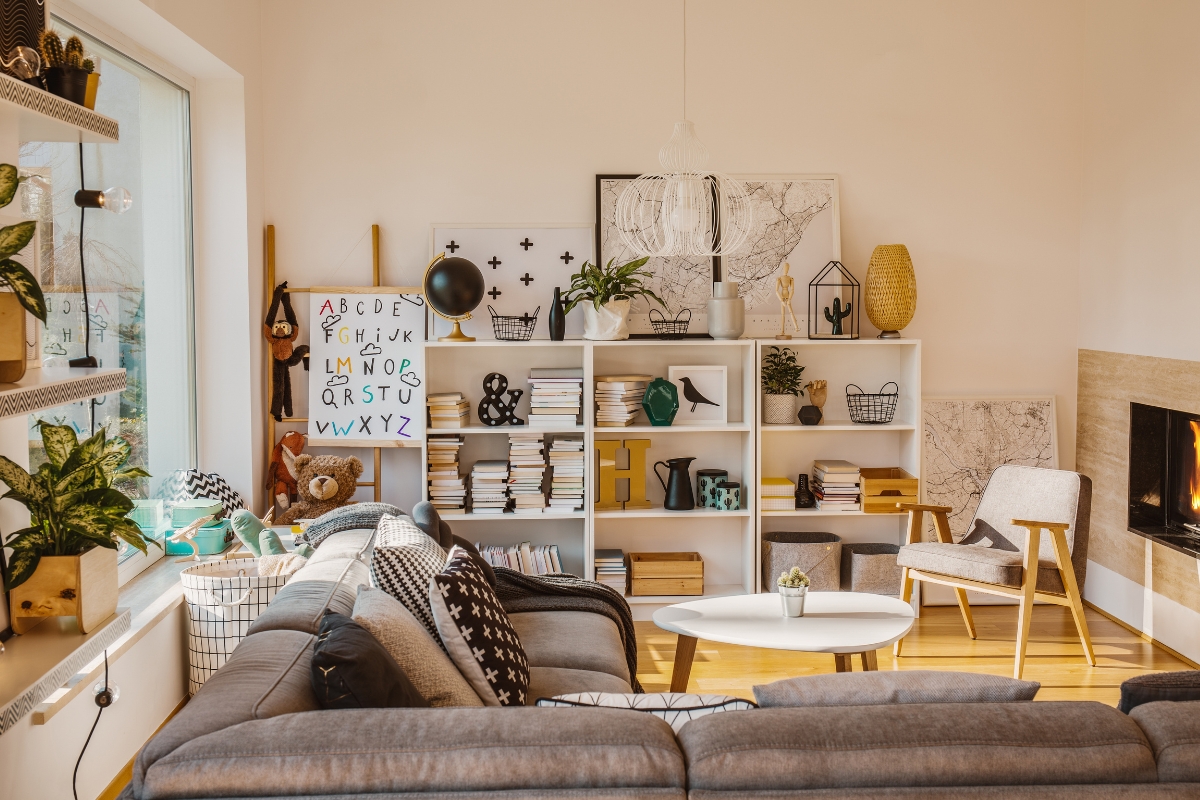
This is the step most people skip — and it’s where everything goes wrong.
Ask yourself:
-
How do I actually use this room?
-
Is it for relaxing, entertaining, working, or sleeping?
-
Who uses it the most?
For example:
-
A living room for movie nights needs clear seating and sightlines.
-
A bedroom should feel calming and uncluttered.
-
A home office needs functional flow, not decorative chaos.
Design tip: Write the room’s main purpose on a sticky note and keep it nearby while planning. It helps you say “no” to unnecessary furniture later.
Anchor the Room With One Main Furniture Piece
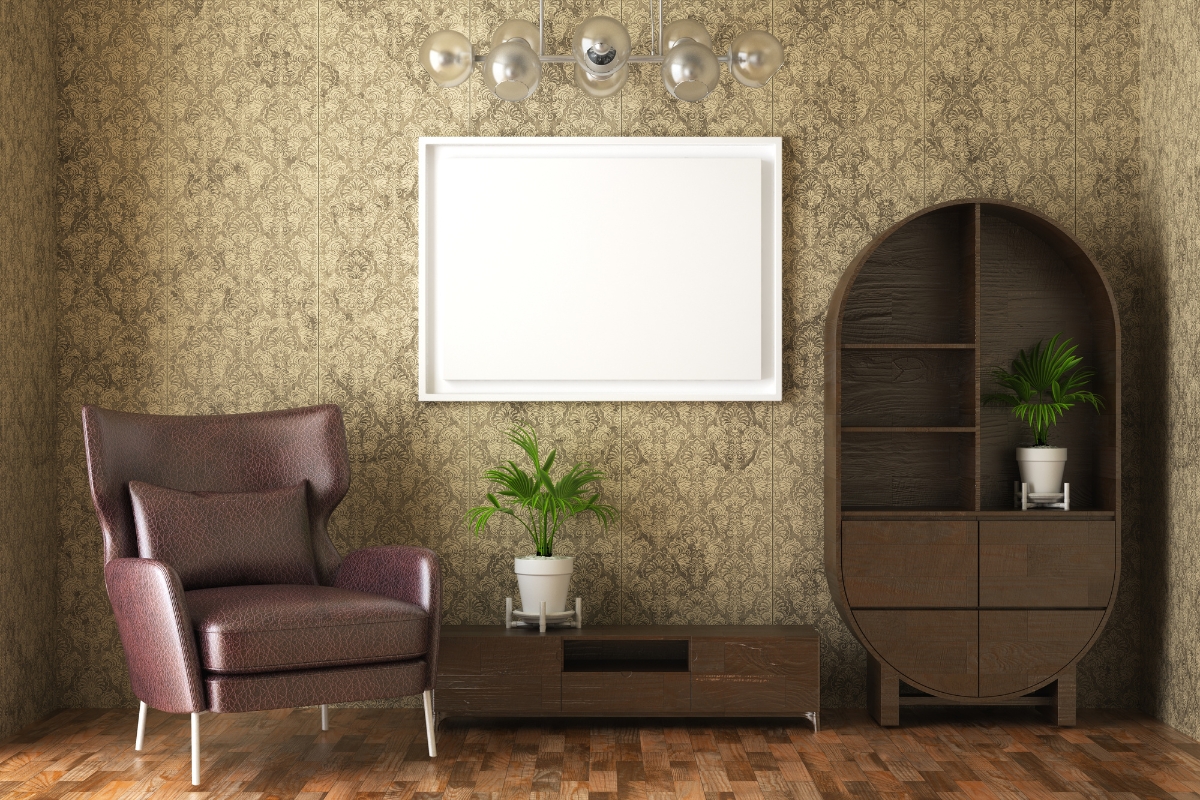
Every balanced room has an anchor — the piece that visually grounds the space.
Examples:
-
Living room: sofa or sectional
-
Bedroom: bed
-
Dining room: dining table
Place this anchor first. Everything else will support it.
Real-life tip: Don’t automatically push the anchor against a wall. Sometimes, floating furniture (like a sofa slightly away from the wall) actually creates better balance and flow.
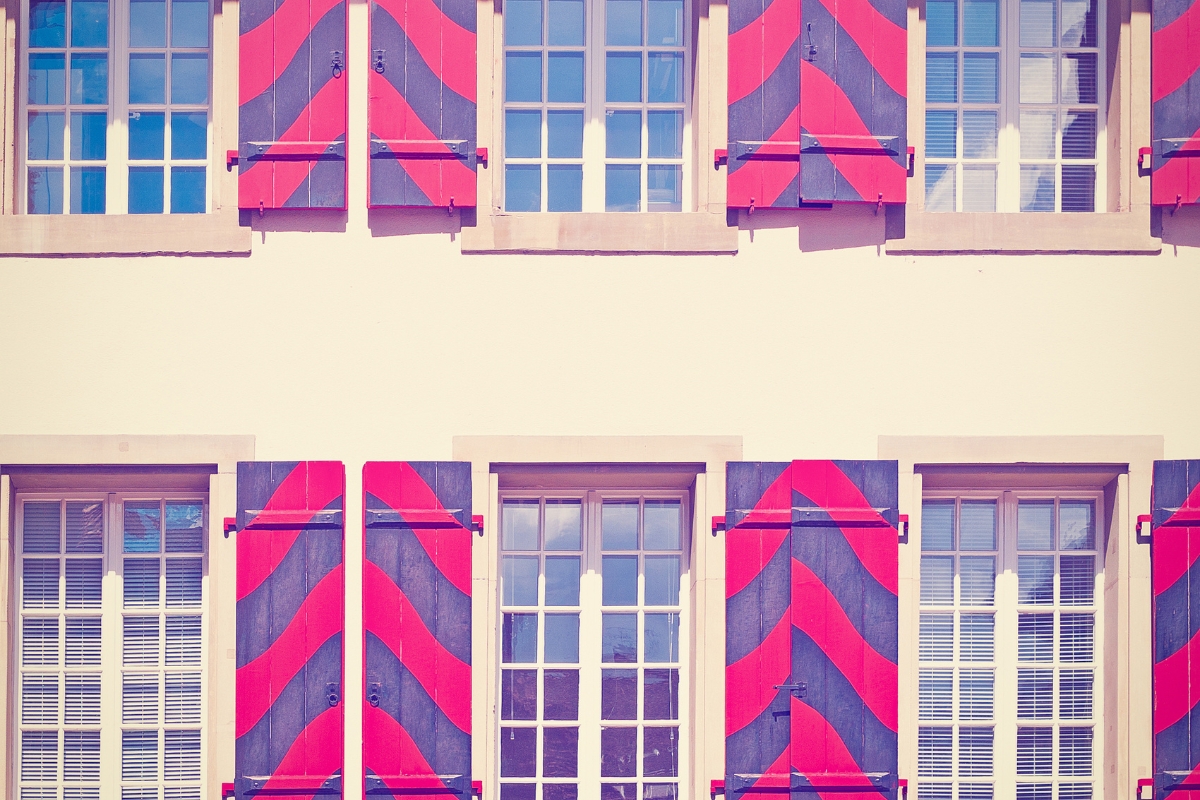
Create Visual Balance (Not Perfect Symmetry)
This is where the trend really shines.
You’re balancing visual weight, not identical items.
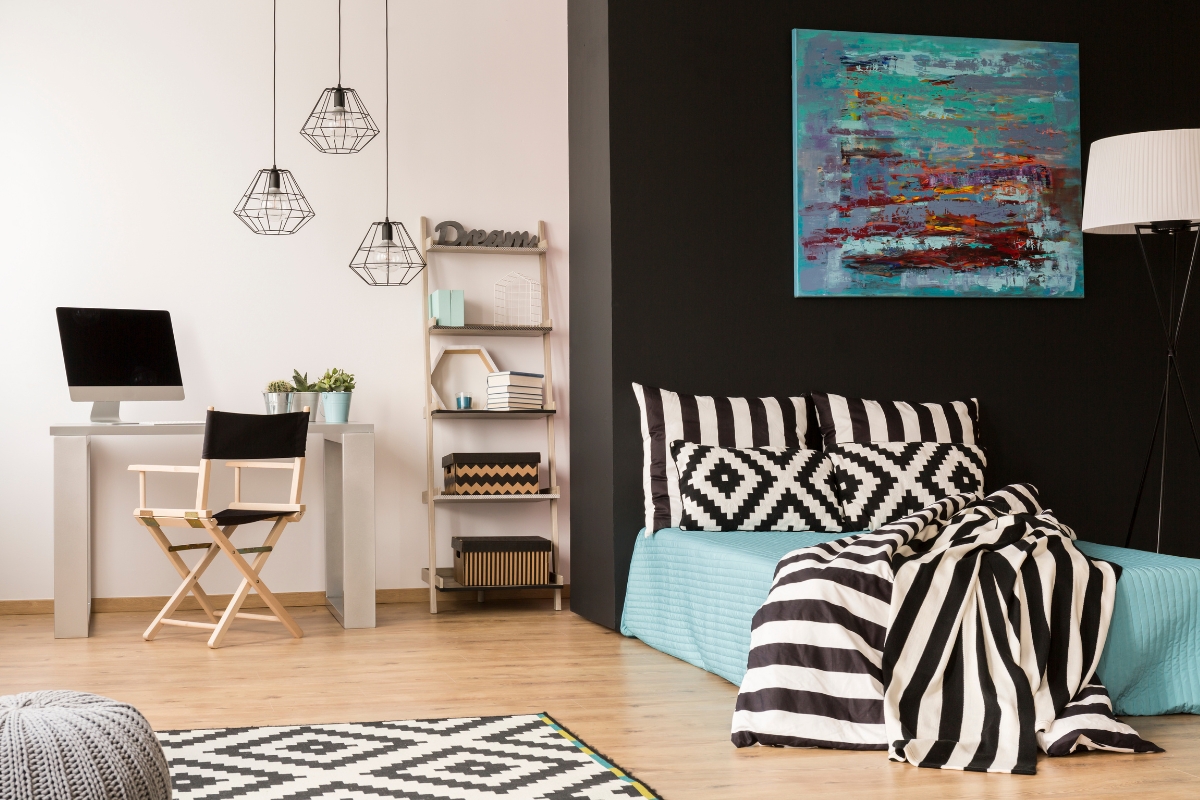
For example:
-
A large sofa on one side can be balanced with two chairs on the other.
-
A bed with one nightstand can still feel balanced if you add a floor lamp or plant on the opposite side.
-
A heavy dresser can be balanced with wall art or a mirror across the room.
Designer mindset: If something feels heavy on one side, add softness or interest on the other.
Mind the Flow of the Room
A balanced layout isn’t just about looks — it’s about movement.
Ask:
-
Can I walk through the room easily?
-
Are doorways and pathways clear?
-
Does furniture block natural movement?
Rule of thumb: Leave about 30–36 inches for main walkways when possible.
This trend is popular because people want homes that feel easy to live in, not cramped or staged.
Layer Heights for a Polished Look
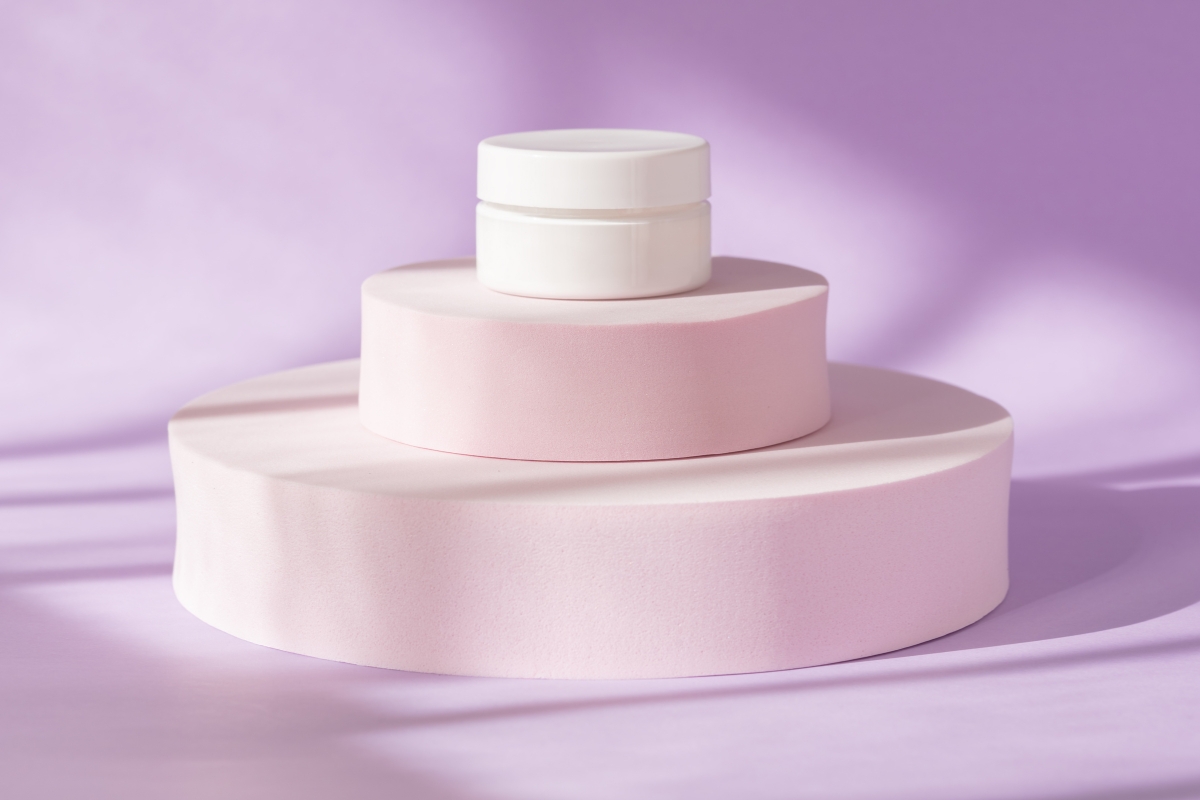
One of the biggest secrets to a well-balanced room is varying heights.
If everything sits at the same level, the room feels flat.
Mix:
-
Low furniture (sofas, beds)
-
Mid-height pieces (side tables, chairs)
-
Tall elements (lamps, plants, bookshelves)
Example: A low sofa instantly looks more balanced with a tall floor lamp or vertical artwork nearby.
Use Rugs to Define and Ground the Space
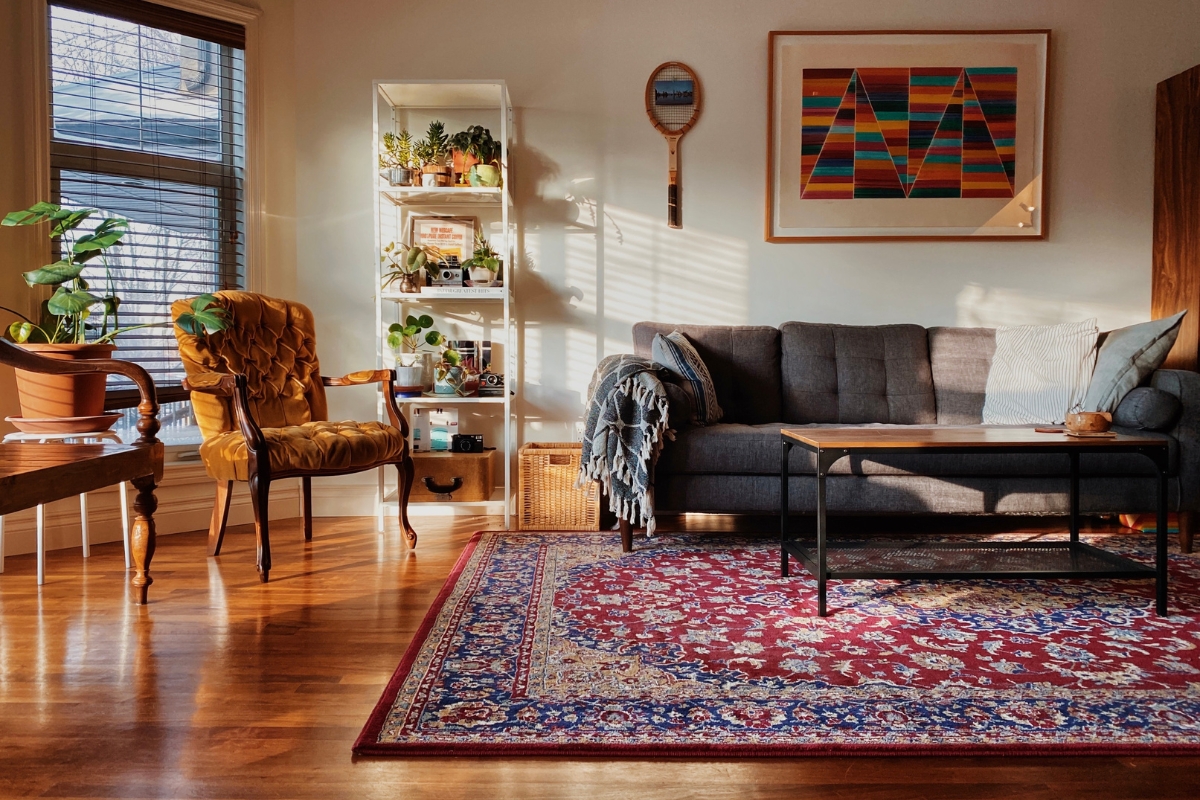
Rugs are powerful — and often misused.
A rug should:
-
Anchor your main furniture
-
Define zones (especially in open layouts)
-
Add warmth and texture
Common mistake: Using a rug that’s too small.
Fix: At least the front legs of furniture should sit on the rug.
Budget tip: Look for flatweave or washable rugs — they’re stylish, affordable, and practical.
Budget-Friendly & DIY Ideas for a Balanced Room
Creating balance doesn’t require buying everything new. Here are realistic, wallet-friendly ideas:
Shop Your Own Home First
Before buying anything, move furniture from other rooms. You’d be surprised how a chair or lamp can suddenly feel perfect elsewhere.
Use Mirrors Strategically
Mirrors add visual weight without bulk. They balance heavy furniture and bounce light around — perfect for small rooms.
DIY Wall Art for Visual Balance
Instead of expensive art:
-
Frame fabric or wallpaper samples
-
Create a simple gallery wall with personal photos
-
Use printable art from Etsy
Plants Are Balance Magic
A tall plant can balance a bulky piece instantly. Even faux plants work if they’re good quality.
Lighting as Decor
Floor lamps and table lamps balance rooms beautifully — and they’re often cheaper than furniture.
Common Room Layout Mistakes (And How to Avoid Them)
Let’s save you some frustration.
Pushing All Furniture Against Walls
This often creates awkward space in the middle. Try floating key pieces instead.
Too Much Furniture
More isn’t better. If a room feels crowded, remove one piece and reassess.
Ignoring Scale
A tiny coffee table with a huge sofa throws off balance. Choose pieces that relate to each other in size.
Matching Everything Perfectly
Balance doesn’t mean identical. Mixing styles and finishes actually creates warmth.
Forgetting Function
If it looks good but doesn’t work for your life, it’s not balanced.
How to Create a Balanced Room Layout from Scratch (Without Feeling Overwhelmed)
Creating a balanced room layout is about combining functionality, proportion, and aesthetics. By planning focal points, arranging furniture with flow in mind, and leaving enough open space, even small rooms can feel organized and inviting. Thoughtful layouts prevent clutter while making the room feel comfortable and cohesive.
Personal Insight :
I’ve noticed that stepping back and visualizing the room before moving furniture makes a huge difference. Even simple tweaks, like shifting a chair slightly or centering a rug, can dramatically improve balance and flow.
Small Real-Life Situation:
A friend was struggling with a small living room until they mapped out the layout and positioned the sofa opposite the main focal wall, leaving clear pathways. The room instantly felt more spacious and harmonious.
Practical Tip:
Start with the largest furniture pieces first, place them around a natural focal point, and then fill in smaller items. Leave open space for movement to maintain balance and avoid a cramped feel.
Final Thoughts: Trust the Process (and Yourself)
Creating a balanced room layout from scratch isn’t about rules — it’s about intentional choices. This trend is popular because it allows homes to feel calm, lived-in, and personal without being boring or overdone.
Start slow. Move pieces around. Live with your layout for a few days before deciding it’s “wrong.” Design confidence comes from experimenting — not perfection.
If your room feels comfortable, welcoming, and easy to use, you’ve done it right.
And remember: the most beautiful homes aren’t rushed. They’re built thoughtfully, one balanced choice at a time.
Author’s Note:
Creating a balanced room layout doesn’t have to be stressful. I’ve found that focusing on focal points, proportion, and flow makes even small or awkward spaces feel organized and inviting. By planning carefully and arranging furniture thoughtfully, you can design a room that is both functional and visually harmonious without feeling overwhelmed.