
Introduction:
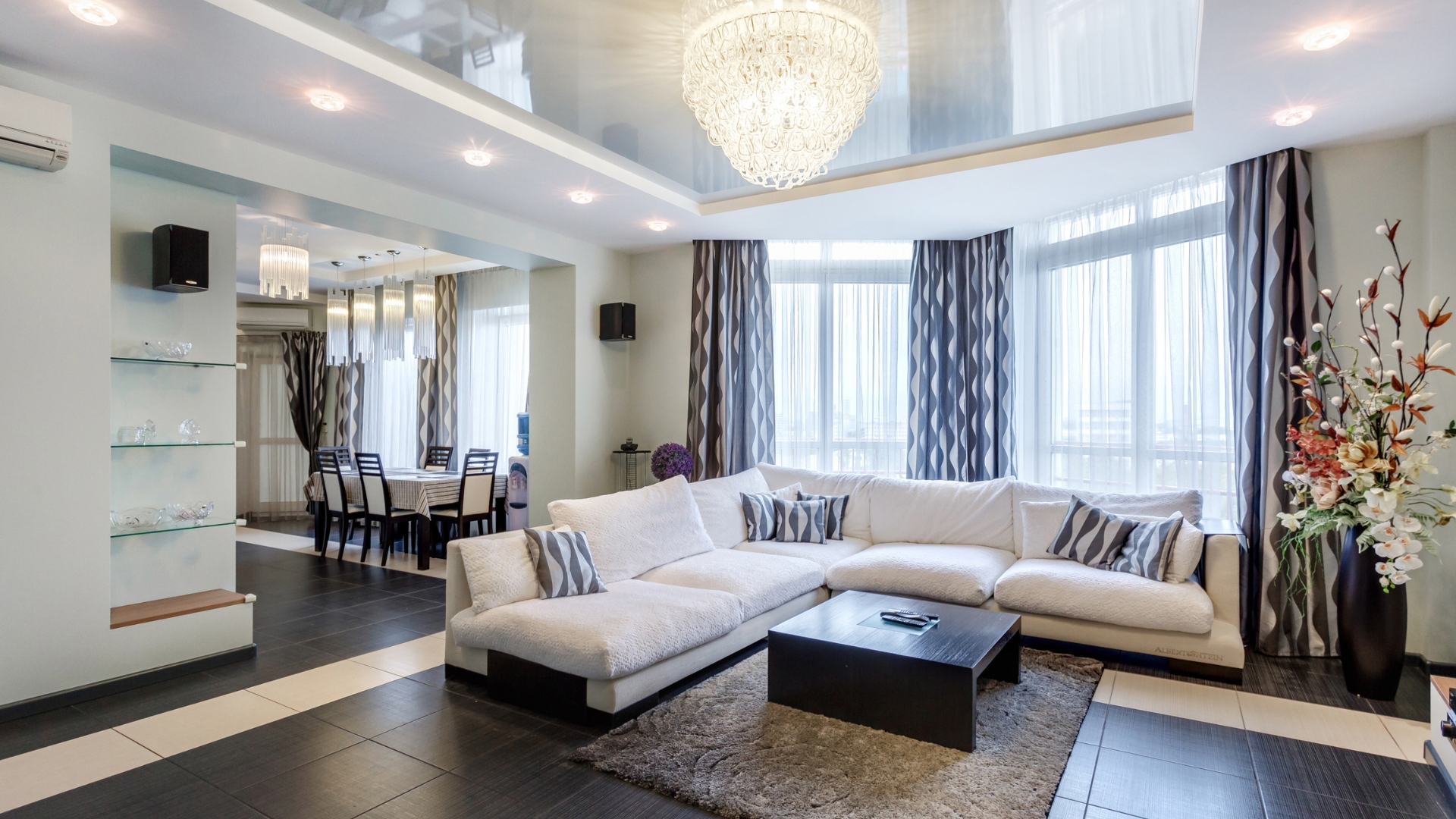
Ceiling Makeovers 2026 highlight how ceilings are becoming a major focus in modern interior design, moving beyond plain white surfaces to create style and impact. In 2026, ceilings feature creative textures, bold colors, integrated lighting, and architectural details, turning them into standout elements that elevate the look and feel of any room.
When we think about home design, our attention usually goes to walls, floors, or furniture. But in 2026, ceilings are finally stepping into the spotlight. Designers and homeowners alike are realizing that a well-designed ceiling can completely transform a room, adding depth, personality, and even a touch of luxury without touching your floors or walls.
Ceiling makeovers are no longer just about popcorn removal or a fresh coat of white paint. From bold colors and textures to statement lighting and architectural details, ceilings are now a canvas for creativity. They can make small rooms feel bigger, add drama to living areas, or create cozy, intimate corners. And the best part? You don’t have to be a professional designer to give your ceiling a modern, eye-catching update.
In this post, we’ll explore why ceiling design is trending in 2026, how to incorporate it into your home, budget-friendly tips and DIY ideas, common mistakes to avoid, and inspiration to get you started.
Why Ceiling Makeovers Are Trending in 2026
Ceilings have long been the overlooked part of the home, but 2026 is all about layering, depth, and statement-making interiors. Here’s why this trend is gaining momentum:
From Blank Canvas to Showstopper
Traditional white ceilings are classic, but they often feel invisible. Modern design wants every part of the room to contribute to the aesthetic, and ceilings are perfect for adding visual interest.
The Influence of Social Media
Platforms like Pinterest and Instagram have fueled the “wow factor” in interiors. A beautifully designed ceiling can be the perfect backdrop for photos and often becomes the most-talked-about feature in a space.
Enhancing Mood and Ambiance
Color, texture, and architectural details on ceilings influence how a room feels. A soft matte plaster ceiling creates a cozy vibe, while bold geometric patterns can energize a living area.
Value Without Major Renovation
Ceiling makeovers can refresh a space without moving walls or changing flooring. Even small changes like adding beams, moldings, or a fresh color can make a room feel brand new.
Modern Ceiling Design Trends in 2026
Here are the top trends that are transforming ceilings this year:
Statement Colors and Painted Ceilings

Bold ceilings are everywhere in 2026. Deep navy, rich forest green, or soft terracotta can make a room feel intimate and layered. Pairing a bold ceiling with neutral walls creates contrast and drama.
Example: A living room with cream walls and a dark teal ceiling instantly feels elegant and cozy, especially when paired with warm wood furniture.
Textured Ceilings

From Venetian plaster to limewash, textures add depth. Matte finishes soften light, while subtle textures can complement minimalist interiors without overwhelming the room.
Example: A bedroom with a soft plaster ceiling and matching light taupe walls gives a serene, spa-like feel.
Architectural Details

Coffered ceilings, exposed beams, or tray ceilings make the ceilings themselves the focal point. These details add structure and sophistication.
Example: A coffered ceiling in the dining room pairs beautifully with a statement chandelier, drawing the eye upward and creating a luxurious ambiance.
Integrated Lighting
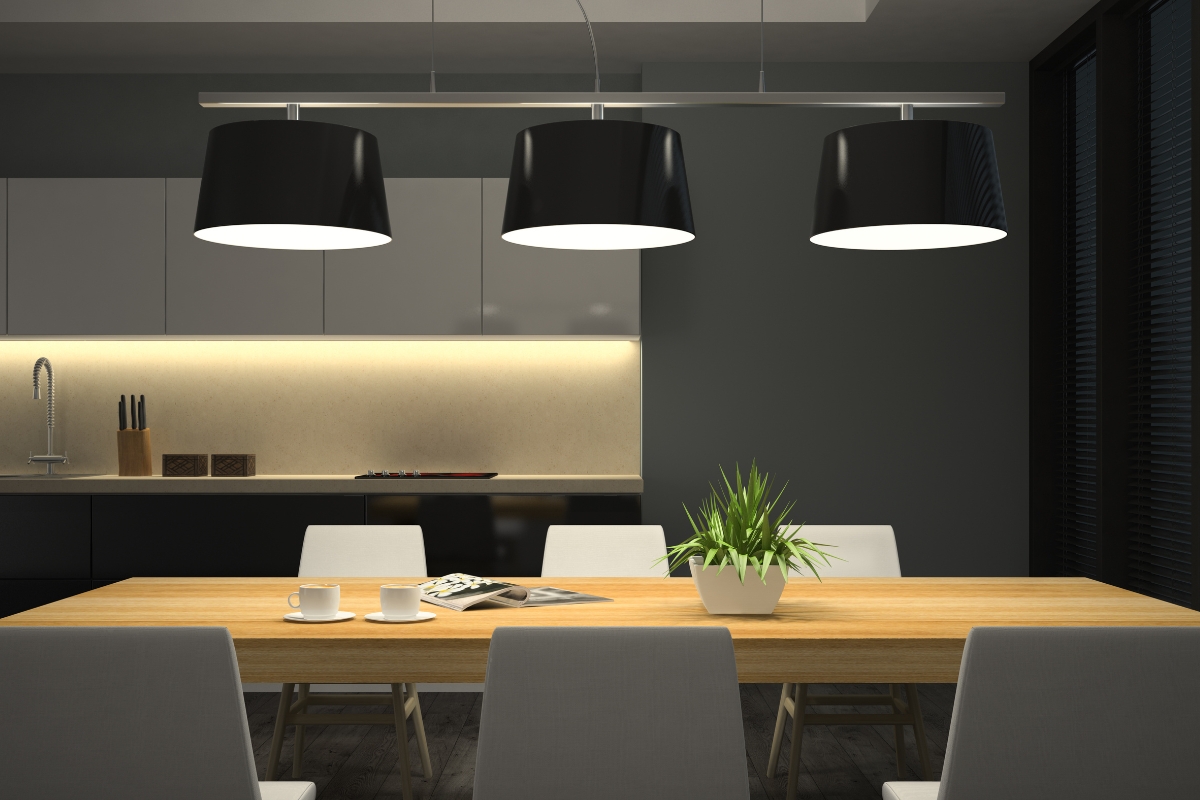
Lighting is key in ceiling design. Recessed lights, cove lighting, and pendant fixtures can highlight textures, colors, or architectural features.
Example: Cove lighting around a tray ceiling casts a soft glow, enhancing depth and creating a warm, inviting atmosphere.
Sustainable and Natural Materials
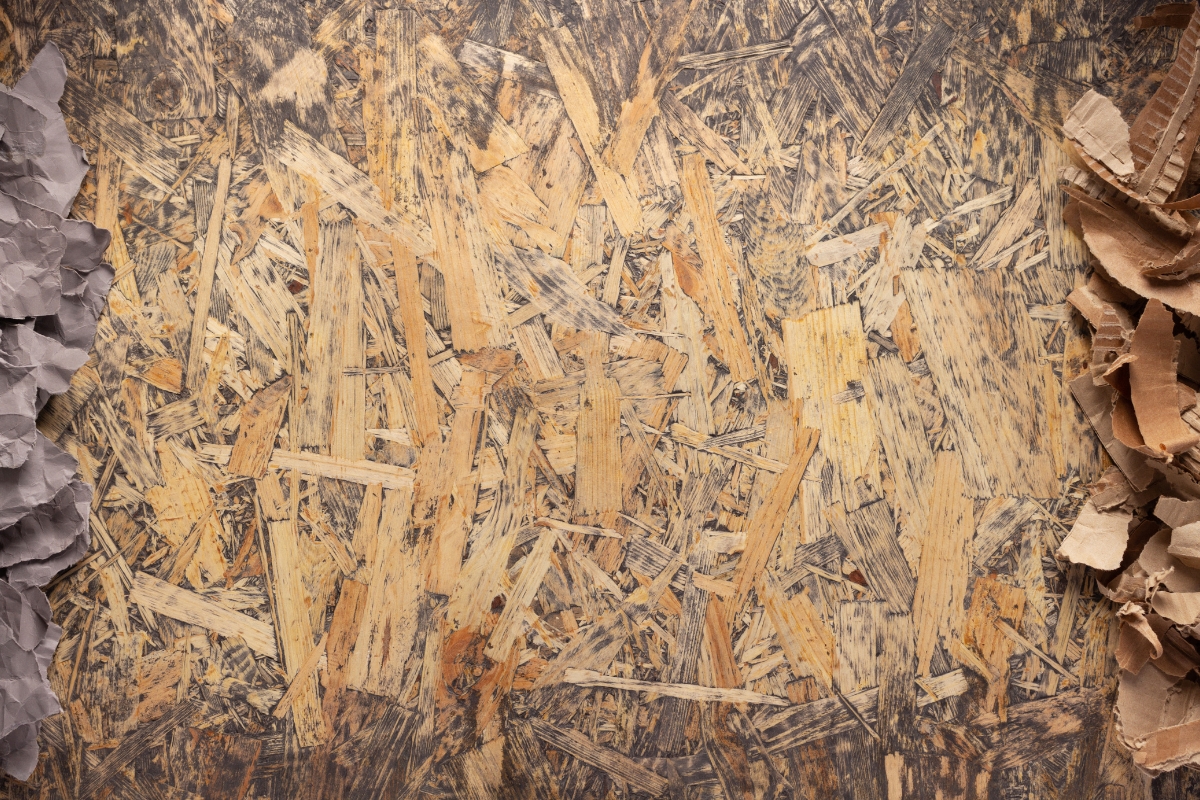
Bamboo panels, reclaimed wood beams, and cork ceilings bring texture and eco-friendly charm. Natural finishes align with 2026’s emphasis on cozy, sustainable interiors.
Example: A reclaimed wood ceiling in a kitchen or dining area adds warmth and character, pairing perfectly with neutral cabinetry and greenery.
Guide to Transform Your Ceiling at Home
Ready to try a ceiling makeover? Here’s how to approach it step by step:
Assess Your Ceiling
Check for damage, cracks, or uneven surfaces. Decide if your ceiling will be painted, textured, or enhanced with architectural details. Small imperfections can often be hidden with texture or panels.
Choose Your Style
Decide on the look you want:
-
Bold paint color
-
Textured plaster or limewash
-
Coffered or tray ceiling
-
Exposed wood beams
-
Combination of lighting and paneling
Consider your room size, wall color, and furniture style. For example, dark ceilings work well in cozy spaces, while high ceilings can carry bold designs.
Plan Lighting
Lighting can make or break a ceiling. Determine if you need ambient, accent, or task lighting. Recessed lights work for minimalism, while statement chandeliers can create drama.
Prep and Protect
Tape off walls, cover floors, and remove fixtures if painting. If installing beams or paneling, measure carefully and plan materials.
Execute Your Design
-
Painted ceilings: Use matte or eggshell finishes for elegance.
-
Textured finishes: Apply plaster or limewash in thin layers; practice first on a scrap board.
-
Architectural details: Install beams or moldings securely, then paint or stain as needed.
-
Lighting: Install after finishing the ceiling surface for safety and precision.
Add Final Touches
Style the room with complementary décor: rugs, wall art, and furniture that highlight your ceiling rather than compete with it.
Budget-Friendly & DIY Ideas
Not every ceiling makeover requires a contractor. Here are some practical ideas:
-
DIY Painted Ceiling: Use a small roller and painter’s tape to create bold color ceilings without professional help.
-
Temporary Panels: Peel-and-stick wood panels mimic beams and are perfect for renters.
-
Textured Wallpaper: Modern 3D wallpaper adds depth without plaster.
-
Affordable Beams: Faux wood beams can be lightweight and easy to install.
-
Lighting Upgrades: Swap out basic fixtures for LED strips, hanging pendants, or mini spotlights.
Even small changes, like a fresh coat of color or a single statement light, can completely transform a space.
Common Mistakes to Avoid
Ignoring Room Proportions
Too dark ortoo busy a ceiling in a low room can make it feel cramped. Light colors or subtle textures work better for smaller spaces.
Overcomplicating Lighting
Don’t forget that layered lighting is crucial. A beautiful ceiling with poor lighting can lose impact.
Mismatched Styles
Your ceiling should complement your walls, furniture, and flooring. A rustic beam ceiling in an ultra-modern minimal space might clash if not styled carefully.
DIY Overreach
Some textures and architectural details require professional installation. Start small, practice on sample boards, or try peel-and-stick options if you’re inexperienced.
Final Thoughts & Inspiration
Ceiling makeovers are an exciting way to add depth, style, and personality to any room. Whether you choose bold colors, textured plaster, coffered designs, or layered lighting, a thoughtfully designed ceiling elevates the space and creates a “wow factor” that guests notice instantly.
The key to success is planning, scale, and lighting. Even small updates like a painted ceiling or faux beams can feel like a full room transformation. And best of all, ceiling design allows you to be creative without disturbing your walls or floors.
By 2026, ceilings are no longer invisible — they’re a design opportunity. So grab your paintbrush, explore textures, or hang a statement light, and start turning your ceiling into the star of the room. Your home deserves it.
Author’s Note
Ceilings are finally getting the attention they deserve in modern design. I’ve noticed that even subtle updates—like adding texture or soft color—can completely transform how a room feels. A well-designed ceiling brings depth and character without overwhelming the space. In 2026, it’s exciting to see ceilings becoming a creative focal point rather than an afterthought.