
Introduction:
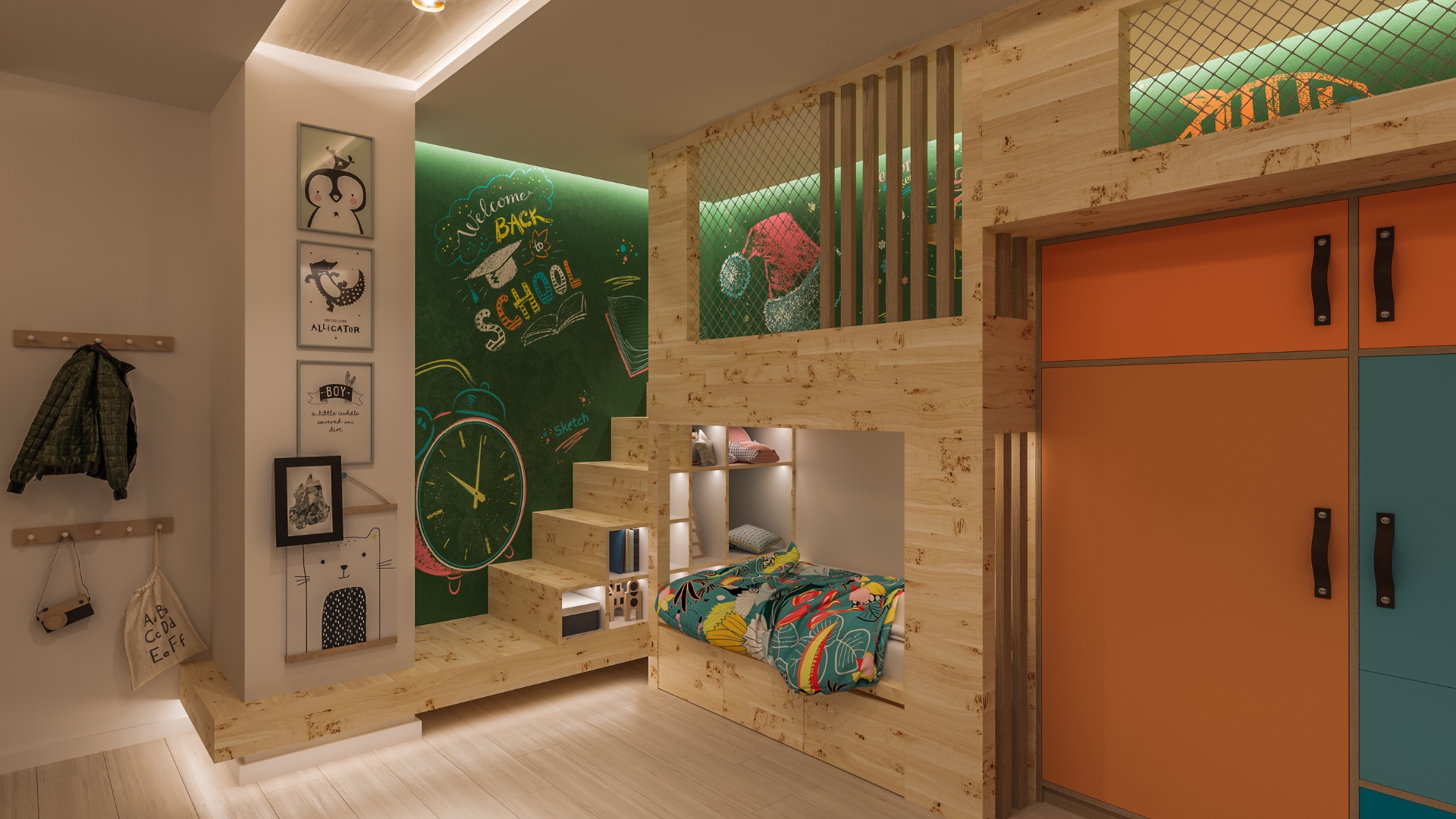
Functional Kids Rooms Storage focuses on creating organized, flexible, and practical spaces that support children’s daily activities. Modern kids’ rooms are no longer just for sleeping—they include play areas, study zones, and storage solutions that keep everything neat and accessible.
From built-in shelves to under-bed storage and multifunctional furniture, smart organization helps maximize space. Moreover, using labeled bins, wall storage, and compact furniture improves usability. As a result, Functional Kids Rooms Storage transforms children’s rooms into tidy, stylish, and efficient environments.
Original inspiration source:
Functional Kids Rooms Storage
Why Functional Kids’ Rooms Are Trending
Parents and designers alike are rethinking kids’ spaces. Gone are the days of simple beds and toy boxes. Modern families need rooms that:
-
Support learning and creativity: A designated study space helps children focus and builds lifelong habits.
-
Encourage independent play: Kids thrive in areas that feel theirs, where they can explore without constant supervision.
-
Reduce clutter and stress: Smart storage solutions keep toys, books, and clothes organized, making the room feel calm and inviting.
In short, these rooms combine form and function. They’re playful, yet practical — exactly what modern families need in 2026.
Key Elements of a Functional Kids’ Room
A truly functionalkids’s room has three main areas: Storage, Study, and Play. Each serves a unique purpose but works together in a cohesive layout.
Smart Storage Solutions
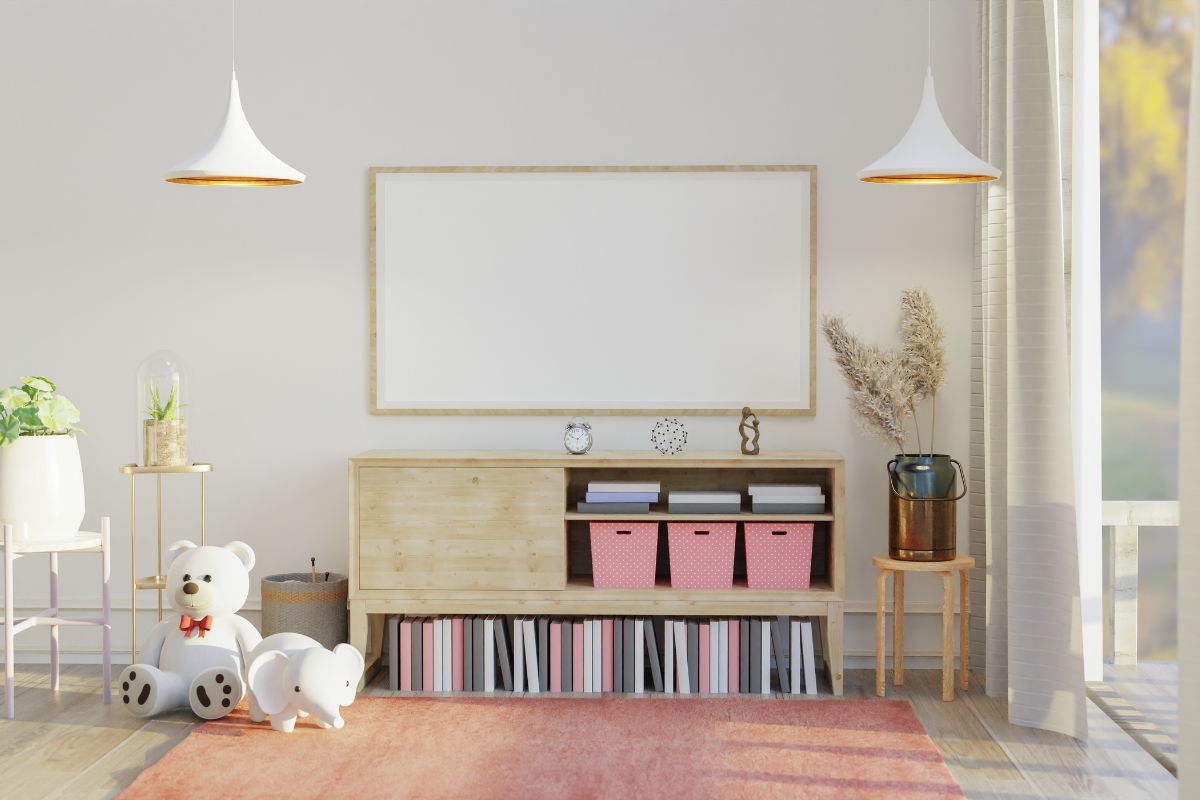
The backbone of any functional kids’ room is storage. Without it, even the prettiest room can feel chaotic.
Popular 2026 trends include:
-
Modular cubes and shelves: These can grow with your child and be rearranged as needed.
-
Under-bed storage: Great for toys, blankets, or seasonal clothing.
-
Rolling carts: Perfect for art supplies, books, or small toys, and easy to move around.
-
Vertical storage: Pegboards, wall hooks, and tall shelves make use of otherwise wasted wall space.
Why it works: A designated place for everything encourages kids to put things away, which makes your room look neat and teaches organization skills.
Example: Place a low, open shelf next to a play area for books and toys. Kids can access it themselves, and cleanup becomes a game rather than a chore.
Study & Learning Zone
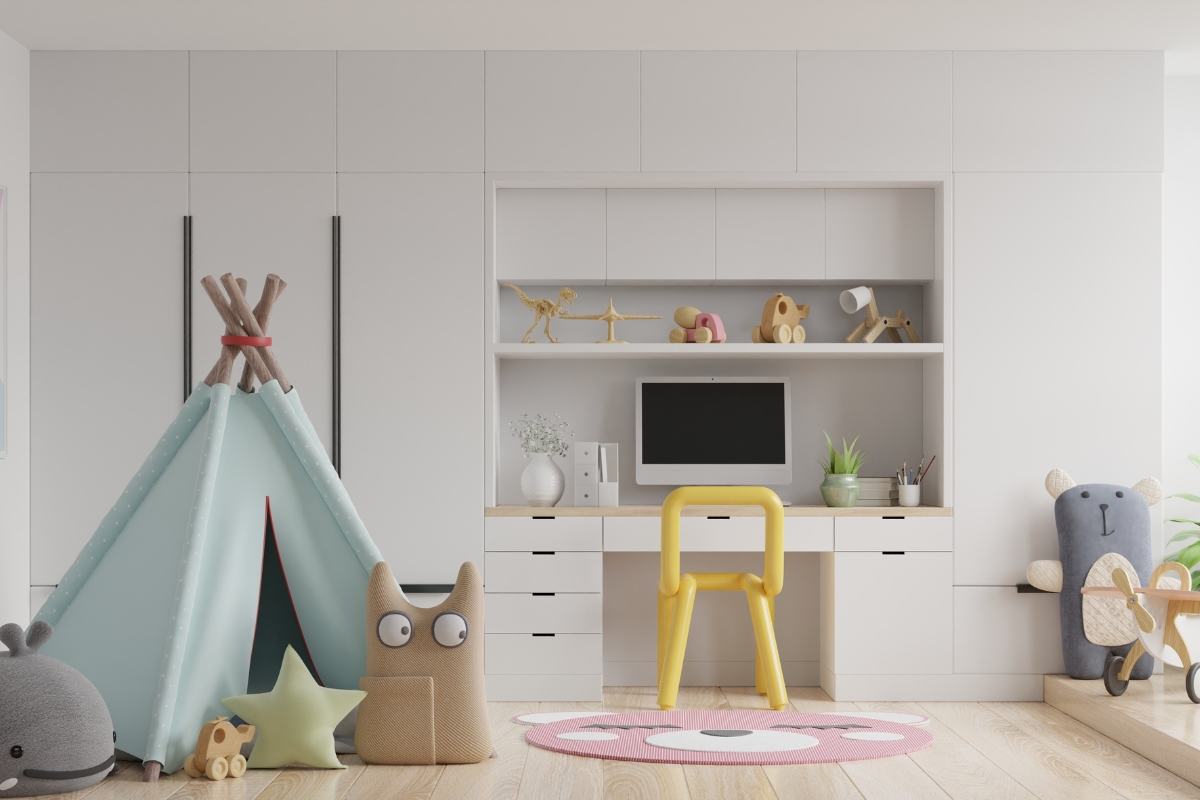
Even young kids benefit from a dedicated space for learning. A functional study zone can include:
-
Adjustable desks: These grow with your child and support proper posture.
-
Good lighting: Desk lamps or smart LED lights help kids focus without straining their eyes.
-
Organizers & supply trays: Keep pencils, markers, and notebooks in order.
Why this trend is popular: With homeschooling, tutoring, and after-school projects becoming more common, kids need spaces that feel serious enough for work but fun enough to inspire creativity.
Example: A corner desk with a wall-mounted organizer, a comfy chair, and a pinboard for artwork creates a mini “studio” vibe, separating study from play areas.
Play & Creative Space
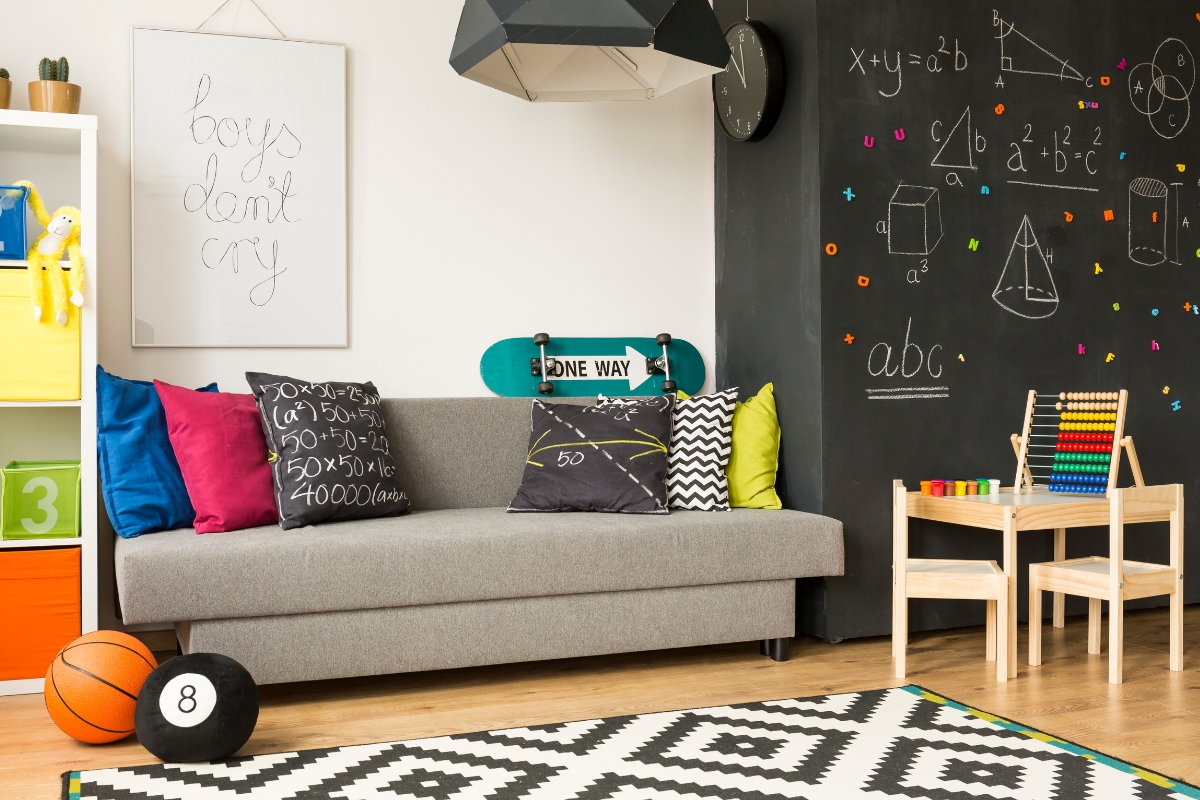
Play zones aren’t just fun—they’re essential for development. In 2026, play areas are smarter, safer, and more versatile:
-
Open floor space: Room to build, dance, or roll a toy car.
-
Creative stations: Small tables for crafts, LEGO builds, or STEM projects.
-
Flexible seating: Bean bags, floor cushions, and soft rugs for lounging or reading.
Why it matters: Play areas help kids develop problem-solving skills, social skills, and creativity. Having a dedicated space prevents toys from spreading across the entire room.
Creating a Functional Layout
Here’s how to bring all these elements together in a cohesive, functional space.
Plan the Zones
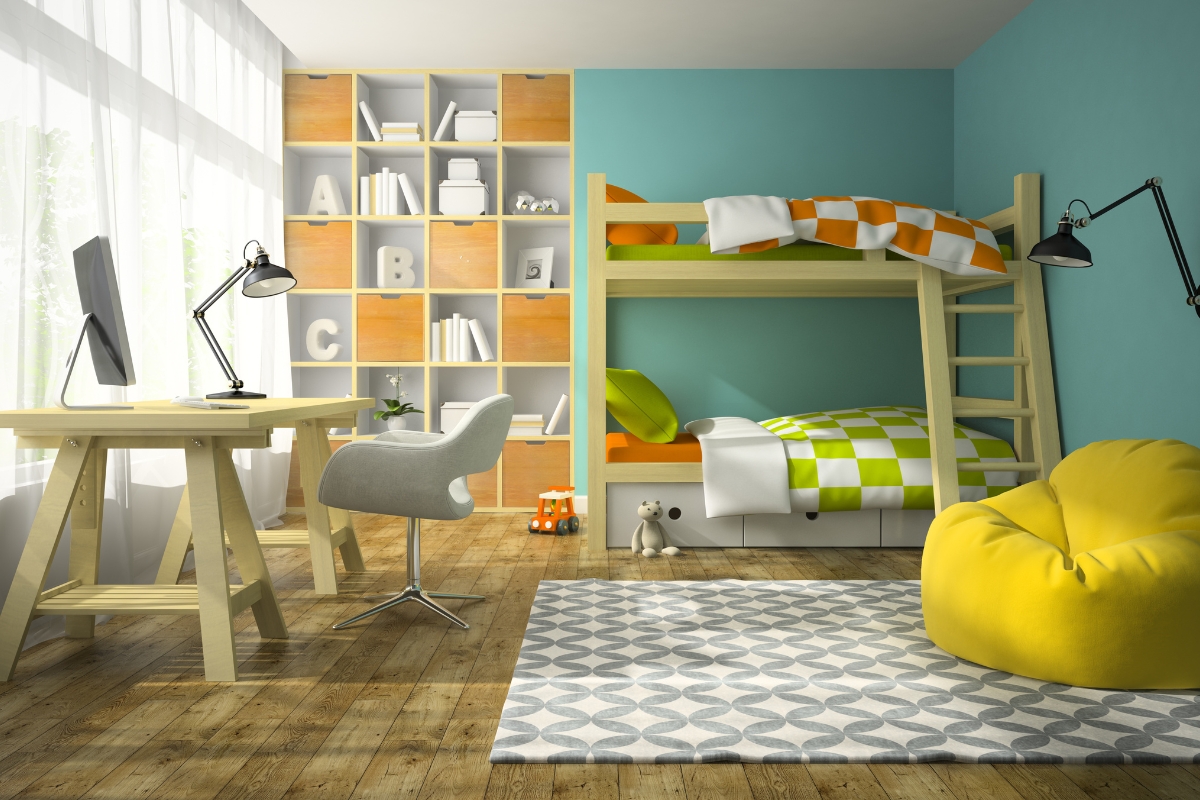
Measure your room and sketch a rough floor plan. Ask yourself:
-
Where will my child sleep?
-
Where is the best natural light for a study zone?
-
Which corner works best for play?
Tip: Tape the zones on the floor with masking tape. It gives a real sense of space before you buy furniture.
Start with Storage
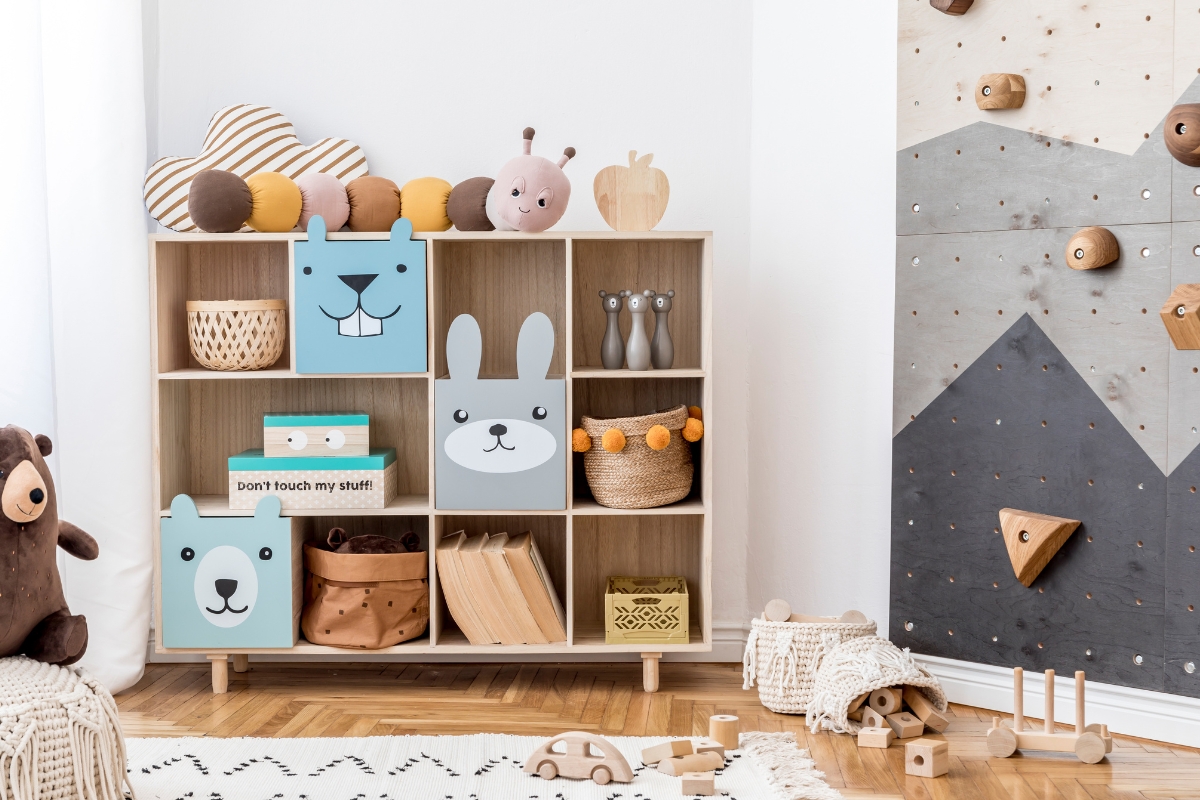
Always build around storage first. It defines where toys, books, and clothing will go.
-
Place larger storage pieces against walls to free up floor space.
-
Use bins and baskets for small items — label them so kids know what goes where.
-
Consider multi-purpose furniture like beds with drawers or ottomans with hidden storage.
Add the Study Zone
-
Position desks near windows if possible. Natural light makes reading and drawing easier.
-
Invest in a chair that your child can sit in comfortably for long periods.
-
Add small organizational tools like pencil holders, trays, or mini shelves to keep supplies tidy.
Design the Play Area
-
Keep it open and flexible — kids need space to move.
-
Add a rug to define the play area and make it cozy.
-
Include storage nearby so toys can be grabbed and put away easily.
-
Rotate toys to keep the space fresh without overcrowding it.
Make It Cohesive
-
Pick a color palette that flows across all zones. Soft neutrals with pops of color work well.
-
Include textures — rugs, cushions, wall decals — to make the space warm and inviting.
-
Personalize with artwork, hobby items, or a growth chart. Kids feel ownership, and the room feels alive.
Budget-Friendly & DIY Ideas
You don’t need to spend a fortune to create a functional kids’ room. Here are some practical ideas:
-
DIY Floating Shelves: Install shelves yourself for books or toys — cheaper than buying pre-made units.
-
Repurpose Storage: Old crates or baskets can become toy bins. Paint them to match the room palette.
-
Thrifted Furniture Upgrades: Sand and repaint desks or chairs for a fresh, custom look.
-
DIY Art Station: Use a small rolling cart with paper, markers, and paints. Easy to move and inexpensive.
-
Peel-and-Stick Wallpaper or Decals: Add a playful touch without breaking the budget or committing to a permanent look.
Common Mistakes to Avoid
Even the best intentions can lead to frustration. Here’s what to watch out for:
-
Overcrowding the room: Too much furniture defeats the purpose. Keep play areas open.
-
Ignoring vertical space: Tall shelves and wall hooks free up floor space.
-
Mixing too many themes: Stick to a cohesive palette and 1–2 playful accents.
-
Not thinking long-term: Choose furniture that grows with your child, not just “cute for now.”
-
Lack of accessibility: Storage, play, and study zones must be child-friendly. Kids can’t put toys away ifthe shelves are too high.
Personal Experience
When I applied Functional Kids Rooms Storage ideas, I added under-bed drawers and wall shelves. I also used labeled bins for toys and books.
As a result, the room became more organized and spacious. In fact, the storage solutions made cleaning easier. Moreover, the layout created dedicated zones for play and study.
Real-Life Example
One homeowner redesigned a child’s bedroom using smart storage ideas:
Under-bed storage boxes
Wall-mounted book shelves
Toy baskets and bins
Compact study desk
Consequently, the room felt tidy and functional. Additionally, the organized layout improved usability for daily activities.
Case Study-Small Kids Room Storage Transformation
A small kids room felt cluttered with toys and books. Designers applied Functional Kids Rooms Storage solutions.
Installed wall shelves for books
Added under-bed storage drawers
Used labeled toy bins
Introduced multifunctional desk
Maintained open play area
As a result, the room became organized and spacious. In fact, smart storage helped maximize limited space effectively.
Author Credibility
This article is inspired by ideas shared on SilkRaj.com and written by Md. Sohel Parvez, Pinterest Marketing Manager and part of the SilkRaj creative team. He specializes in Functional Kids Rooms Storage, smart organization, and modern children’s room design.
Moreover, his expertise focuses on space-saving furniture, practical layouts, and family-friendly interiors.
Key Elements of Functional Kids Rooms Storage
Under-Bed Storage – Maximizes unused space
Wall Shelving – Vertical organization
Toy Bins – Easy sorting system
Multifunctional Furniture – Space saving
Organized Zones – Study and play areas
Outbound Resources
Kids room storage ideas:
https://www.thespruce.com/kids-room-storage-ideas-4177846
Children bedroom organization:
https://www.housebeautiful.com/room-decorating/kids-rooms/
FAQ
- What are Functional Kids Rooms Storage?
They are smart storage solutions for organized kids’ rooms.
- How can I organize a small kids room?
Use under-bed storage, shelves, and bins.
- What furniture works best for kids storage?
Multifunctional beds and compact desks.
- Are wall shelves safe for kids rooms?
Yes — when properly installed and positioned.
Conclusion
Functional Kids Rooms Storage helps create organized and practical children’s spaces. Furthermore, smart storage solutions maximize space and reduce clutter. Ultimately, organized kids’ rooms improve functionality while maintaining a stylish and comfortable environment.
Final Thoughts & Gentle Inspiration
Functional kids’ rooms are all about balance: storage meets creativity, study meets play, and smart layouts meet style. The real secret lies in flexibility — choosing pieces that grow with your child, designing spaces that adapt as interests evolve, and creating zones that support learning, play, and rest.
When executed thoughtfully, these rooms go beyond aesthetics to make daily life smoother. They help reduce clutter, encourage organization, foster focus, and provide your child with a sense of independence. Perhaps most importantly, seeing a child fully engage with their space — whether grabbing a book from a low shelf, pulling out a craft cart, or building LEGO masterpieces on the floor — is truly priceless.
It’s worth noting that this isn’t just about following trends; it’s about designing a room that works for your family both today and in the future. By starting with smart storage, planning functional zones, and letting your child’s personality guide the finishing touches, you can create a space that is both practical and Pinterest-worthy. With a little thoughtful planning, a functional kids’ room can spark joy, creativity, and calm all at once.