
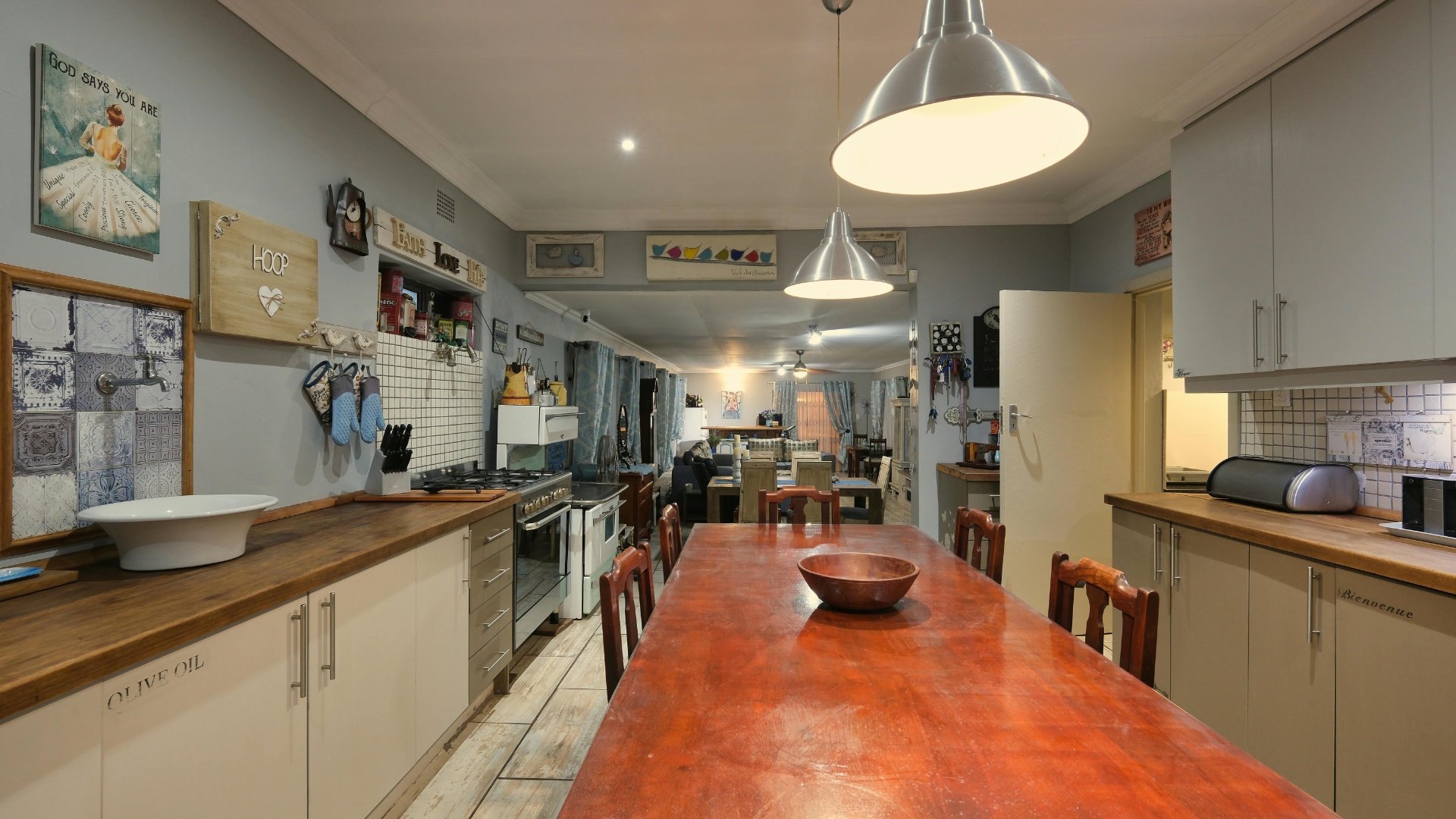

Introduction: Comfort-First Dining Spaces
A dining space should be as comfortable as it is stylish. By focusing on cozy seating, functional layouts, and thoughtful lighting, you can create a room where meals—long or short—are relaxed, enjoyable, and inviting every day.
Why Comfort-First Dining Spaces Matter Right Now
Let’s be honest: dining rooms have been through a bit of a makeover in recent years. Gone are the days when they were stiff, formal, or only “used for holidays.” Today, we crave spaces that are welcoming, cozy, and functional—rooms that invite you to linger over breakfast, enjoy a long family dinner, or even work on a laptop without feeling cramped.
Enter the comfort-first dining space trend. This design philosophy isn’t just about plush chairs (though those help!). It’s about creating a dining environment that feels good for your body, your lifestyle, and your daily routines. With open-concept living, longer meals, and more casual entertaining, people want a dining space that works as hard as it looks beautiful.
In short: it’s not just a room—it’s a lifestyle. And the good news? You can achieve this without remodeling your entire home.
What Is a Comfort-First Dining Space?
A comfort-first dining space prioritizes physical comfort, ease of use, and relaxed style. It blends aesthetics with ergonomics, so the room looks stylish while also being enjoyable for everyday life. Key elements include:
-
Supportive seating: Chairs with cushions, armrests, or ergonomic curves.
-
Ample table space: A table large enough for meals, gatherings, and multipurpose use.
-
Soft textures: Rugs, cushions, and textiles that make the space cozy.
-
Warm lighting, not harsh: Adjustable options for work, meals, or ambiance.
-
Functional layout: Easy flow between kitchen, dining, and living areas.
Why This Trend Is Popular
-
Lifestyle changes: Families are spending more time at home, making meals a centerpiece of daily life.
-
Open-concept living: Dining areas are no longer closed off, so comfort and cohesion matter.
-
Multifunctional spaces: Dining tables double as homework stations, workspaces, and craft areas.
-
The desire for warmth: Modern minimalism has evolved—people want spaces that feel lived-in, not cold.
Ultimately, comfort-first dining spaces create a homey, inviting atmosphere while still looking polished and stylish.
How to Design a Comfort-First Dining Space at Home
Here’s a practical step-by-step guide to transforming your dining area.
Prioritize Seating
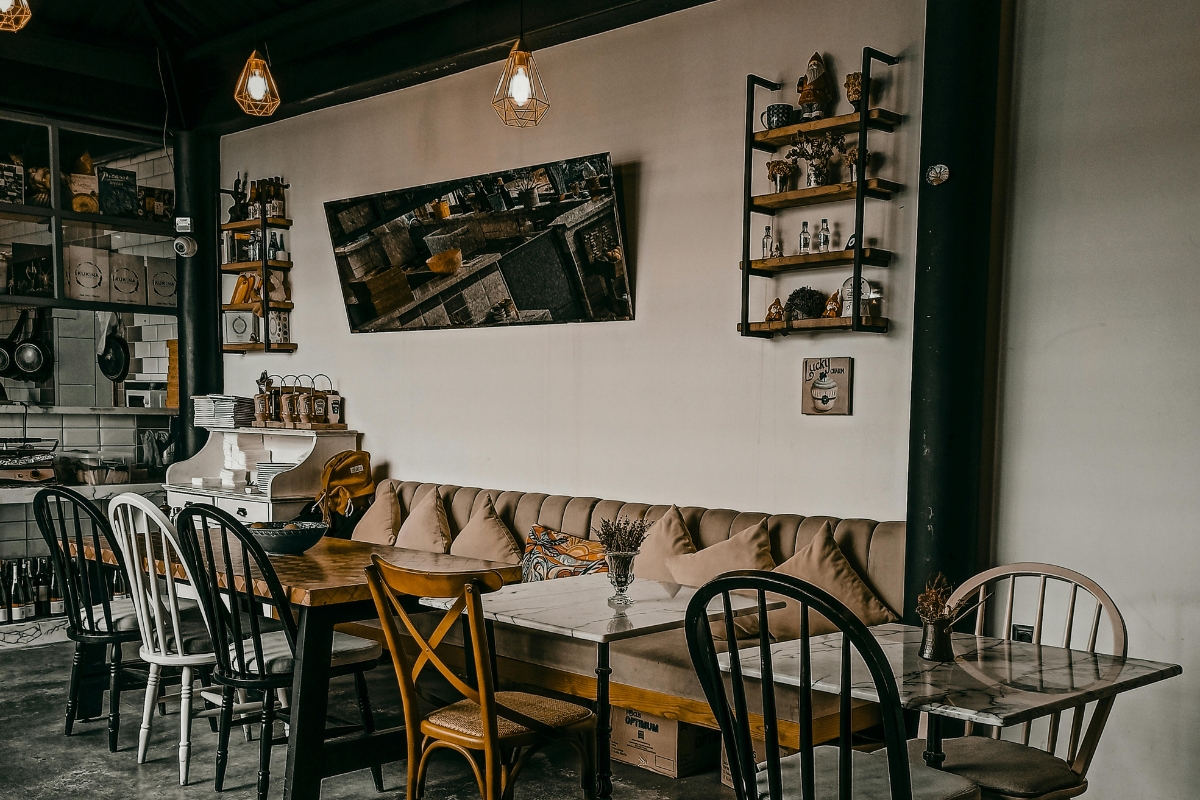
Your chairs are the foundation of comfort. Think beyond aesthetics:
-
Cushioned chairs: Seat padding is essential for long meals.
-
Armrests: Great for extra support during extended dinners.
-
Mixing styles: Don’t be afraid to combine upholstered chairs with sleek wooden chairs for style and flexibility.
-
Bench seating: Benches with cushions allow family-style seating and can be pushed under the table to save space.
Pro tip: If your table is used daily for work or homework, consider chairs that encourage good posture.
Choose a Table That Fits Your Lifestyle
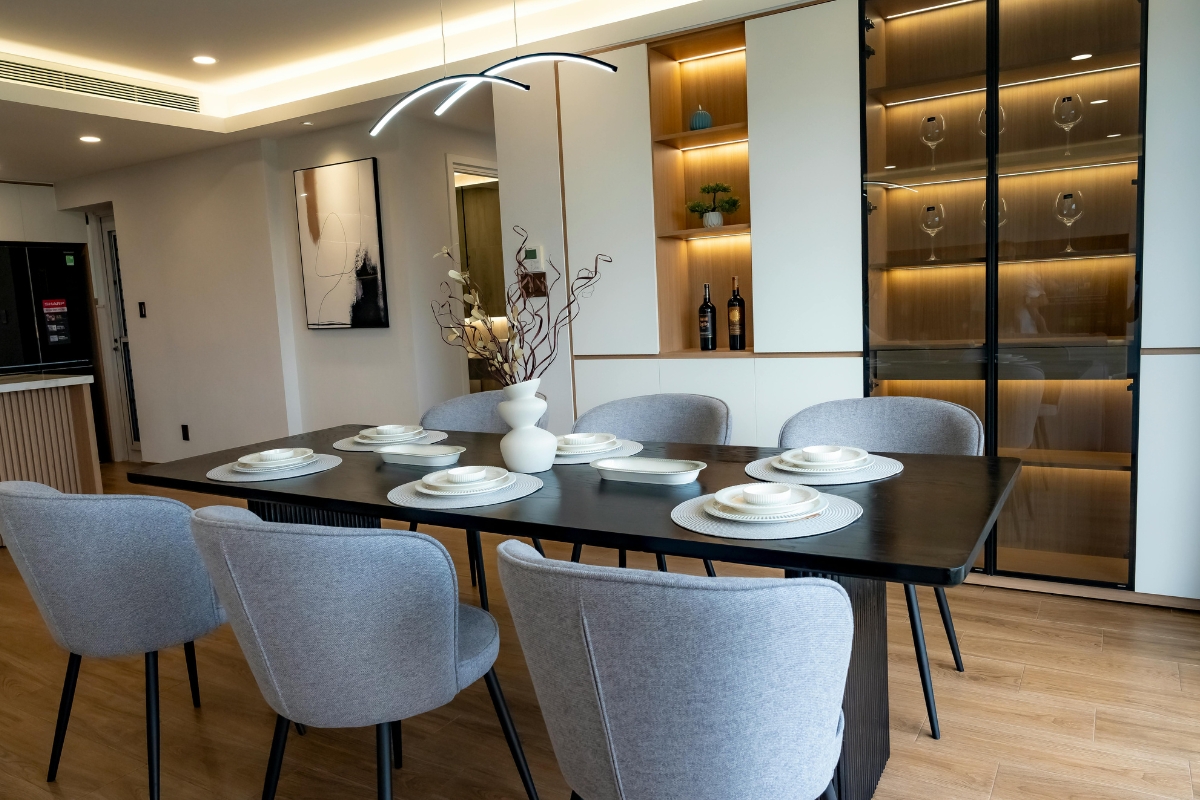
Your table isn’t just a visual anchor—it’s the centerpiece of comfort.
-
Size matters: Make sure everyone has at least 24 inches of space per person.
-
Shape: Rectangular tables work well for formal dinners; round tables encourage conversation in smaller spaces.
-
Materials: Wood is warm and inviting; glass can feel lighter but may need more maintenance.
Tip: Consider extendable tables for flexibility. You can host guests without sacrificing comfort on ordinary days.
Layer in Soft Textures
Texture is key to making a space feel cozy and inviting.
-
Rugs: A low-pile or flatweave rug under the table softens noise and defines the dining area.
-
Cushions: Add them to chairs or benches for extra padding and color.
-
Table linens: Runners, placemats, or cloth napkins instantly elevate comfort while adding warmth.
Example: A wool rug under a wooden table, paired with linen cushions, creates a tactile, inviting atmosphere.
Lighting for Comfort
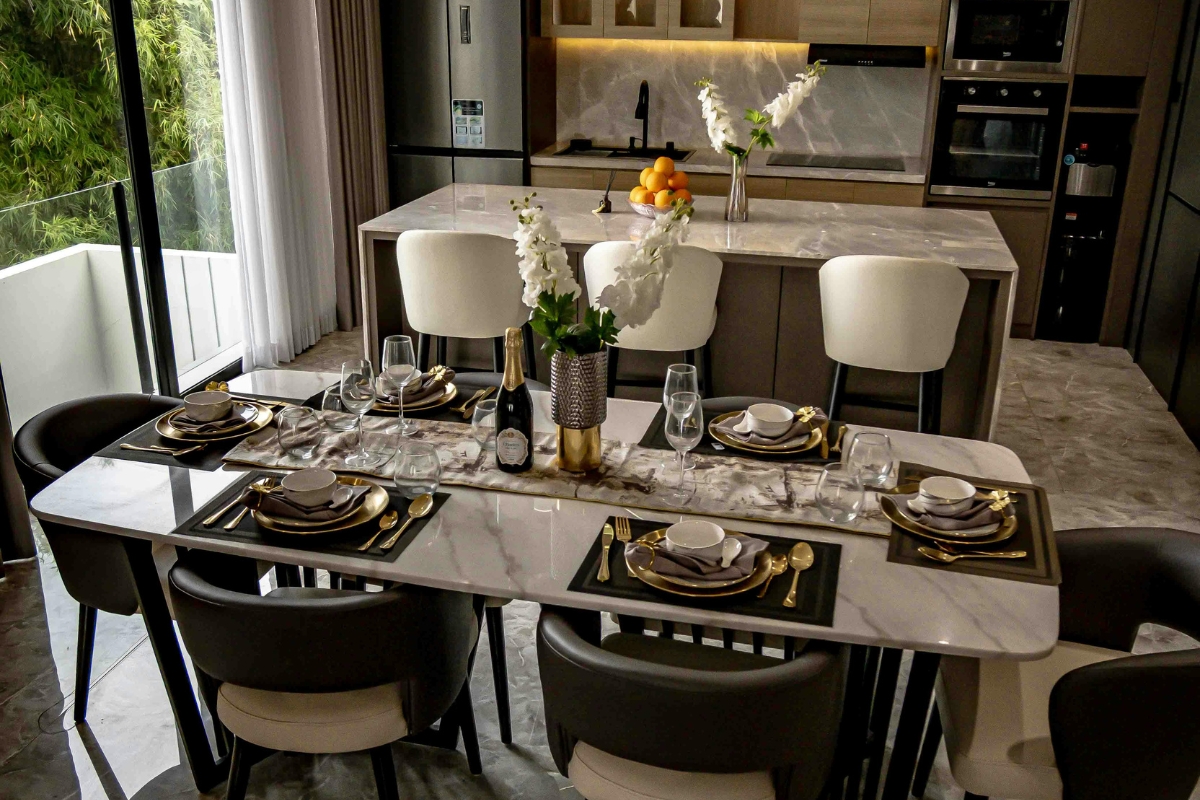
Lighting can make or break the dining experience.
-
Layer your lighting: Combine overhead fixtures with wall sconces or table lamps for versatility.
-
Adjustable brightness: Dimmers allow you to switch from bright meal prep to soft dinner ambiance.
-
Warm tones: Choose bulbs with warm color temperatures (2700–3000K) to encourage relaxation.
Pro tip: Position pendant lights so they illuminate the table evenly without glare in your eyes.
Optimize Layout and Flow
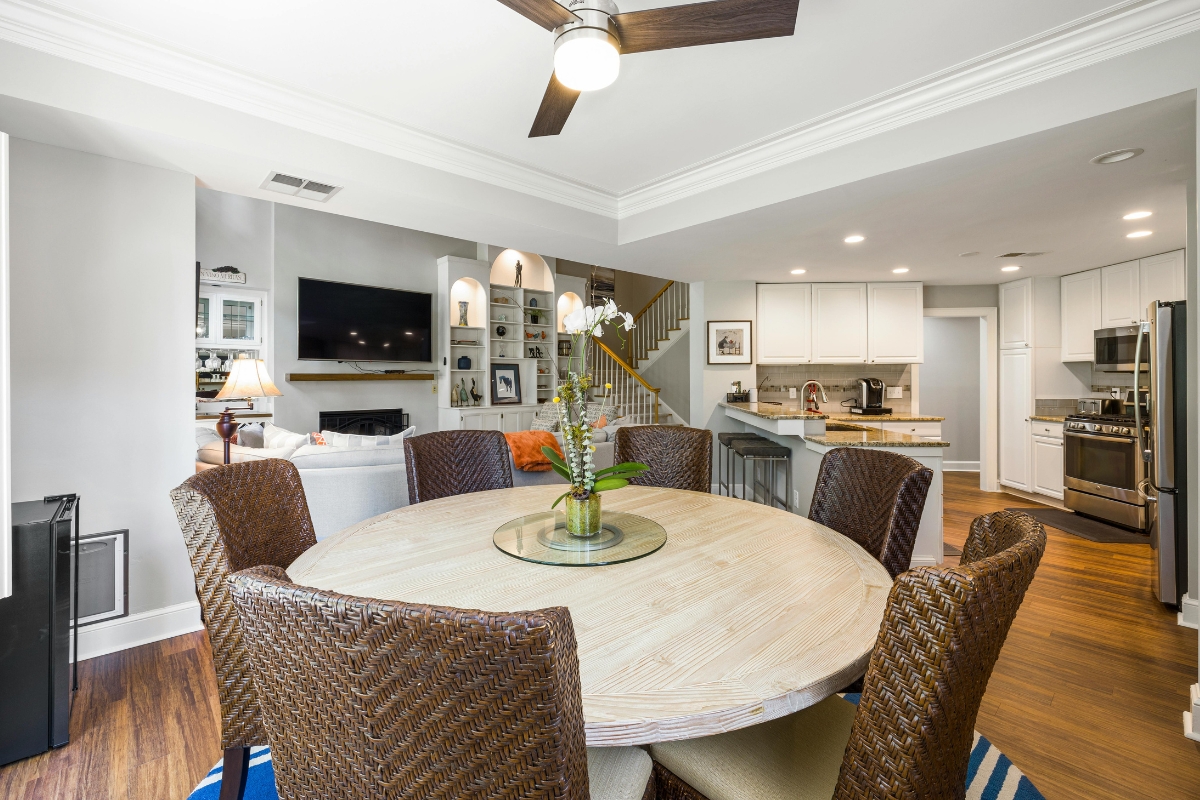
Comfort is not just about chairs—it’s about movement and accessibility.
-
Allow at least 36 inches between table edges and walls or other furniture.
-
Consideran open-concept flow so people can move between the kitchen and dining room without obstruction.
-
Leave space for chairs to pull out easily.
A well-planned layout keeps your dining area functional, whether for daily meals or entertaining.
Budget-Friendly & DIY Comfort Ideas
You don’t need a big budget to make your dining space cozy and functional.
Affordable Upgrades
-
Chair cushions: Simple, removable cushions can transform basic chairs.
-
Rugs: Secondhand rugs or flatweave options define the space without breaking the bank.
-
Lighting swaps: Replace harsh overhead lights with soft pendant or LED fixtures.
-
Decor layering: Use thrifted tableware, placemats, or inexpensive wall art to add warmth.
DIY Projects
-
Sew custom cushion covers to match seasonal decor.
-
Build a simple bench for additional seating using affordable wood planks.
-
Create a centerpiece with candles, greenery, or seasonal items.
-
Use peel-and-stick wallpaper to create an accent wall behind the dining table.
Common Mistakes and How to Avoid Them
Mistake: Choosing Style Over Comfort
A gorgeous chair may look amazing, but feel like sitting on a rock.
Fix: Test chairs before buying. Opt for cushioned, supportive seating.
Mistake=Ignoring Table Space
Crowded tables make meals uncomfortable.
Fix: Measure space per person and allow flexibility with extendable tables.
Mistake=Forgetting Traffic Flow
No one likes bumping into chairs while passing through.
Fix: Keep at least 36 inches between furniture and walls.
Mistake=Overloading Decor
Too many centerpieces or table accessories clutter the space.
Fix: Keep tabletop decor minimal for both style and function.
Mistake=Skipping Layered Lighting
Single overhead lights can feel harsh or uninviting.
Fix: Add dimmers, lamps, or candles for atmosphere.
Comfort First Dining Spaces: Designing for Long Meals & Everyday Use
Designing a comfort-first dining space prioritizes both style and usability, ensuring that meals—whether quick breakfasts or long family dinners—are enjoyable. Plush chairs, spacious tables, and thoughtful lighting create a welcoming environment where everyone can relax and linger. Incorporating functional elements like easy-to-clean surfaces and flexible seating makes the room practical for everyday use.
Personal insight:
I’ve noticed that dining spaces designed with comfort in mind naturally become the heart of the home. When people feel physically at ease, conversations flow better, meals last longer, and the space feels truly lived-in.
Small real-life situation:
A friend replaced their formal dining chairs with cushioned, upholstered ones and added a soft rug under the table. Their family started spending more time together at the table, enjoying games, homework, and dinners without rushing.
Practical tip:
Choose chairs with supportive cushioning and tables at the right height, and consider adding bench seating or ottomans for flexibility—small adjustments make long meals much more comfortable.
Final Thoughts & Comfort Can Be Stylish
Comfort-first dining spaces prove that style and functionality can coexist. With a few thoughtful choices—supportive seating, the right table, layered textures, cozy lighting, and a functional layout—you can create a dining area that invites long meals, casual work sessions, or simple family moments.
Remember, a dining space is more than a table and chairs—it’s the heart of daily life. Start small, focus on comfort, and let your space evolve. Over time, your dining room will become a place people genuinely want to linger, bringing warmth, style, and everyday joy to your home.
Cozy meals, happy conversations, and a dining room designed for life—that’s the essence of the comfort-first trend.