
If there’s one room quietly becoming the star of modern home makeovers, it’s the kitchen. Specifically: Creative Kitchen Walls. Over the past few years, kitchen walls have shifted from being blank, purely functional surfaces into full-on design moments. Between open shelving, textured finishes, mounted art, pegboards, and clever storage displays, kitchen walls are finally getting their spotlight — and honestly, it’s long overdue.
Most of us spend a surprising amount of time in the kitchen (even if half of it is just wandering in for snacks), so why not make the space feel creative, personal, and styled?
Let’s dive into why this trend is taking off and how to make it work in real homes — whether you’re decorating a spacious open-plan kitchen or a cozy apartment layout.
Why Kitchen Walls Are Trending Right Now
A few noticeable design shifts are behind this trend:
Kitchens Are Becoming Social Spaces
The modern kitchen is more open and connected than ever — think open shelving, open layouts, and open sightlines. When a space is that visible, homeowners naturally want it to look beautiful and curated.
“Functional Décor” Is Having a Moment
People love items that pull double duty. Wall-mounted cutting boards, floating shelves, and utensil rails are décor pieces that actually get used.
Texture Makes a Room Feel Finished
Tile, limewash, beadboard, slatted wood, even cork — adding texture creates warmth and dimension, especially in sleek modern homes.
Personalization Is Now a Design Priority
Cookie-cutter kitchens are out. People want their homes to tell their story — through art, collections, and color.
What the Trend Actually Looks Like
When you browse Pinterest, Instagram, or stylish Airbnb listings, the “kitchen wall moment” generally falls into at least one of these categories:
Art Walls
Framed prints, food photography, vintage posters, or small gallery walls. These add personality and color without renovation.
Open or Floating Storage
Think tiered shelving, rails with hooks, mounted spice racks, or magnetic knife strips. The vibe is very “chef’s kitchen meets modern loft.”
Architectural Texture
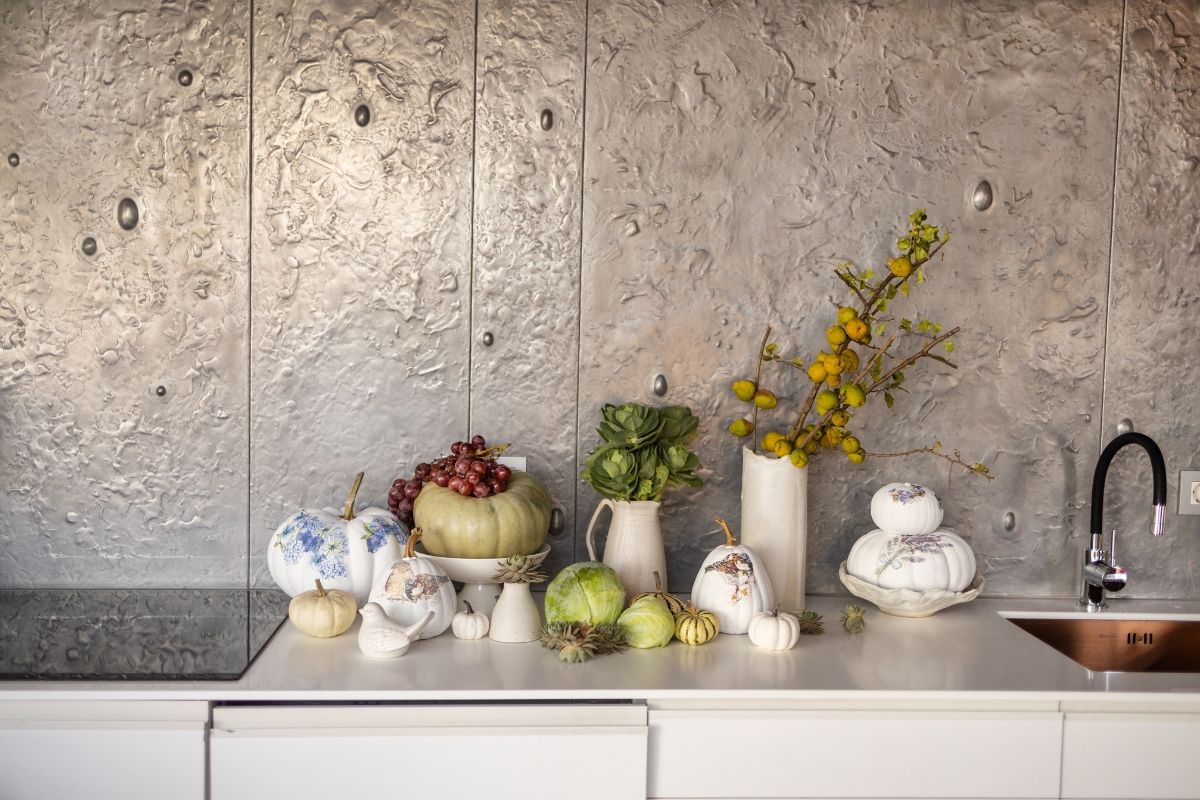
Slat walls, beadboard, stone, zellige tile, limewash finishes — these are all huge right now, especially for people tired of flat drywall.
Displayed Collections
Pretty ceramics, glassware, cutting boards, cast iron pans, or coffee gear arranged intentionally.
Functional Pegboards
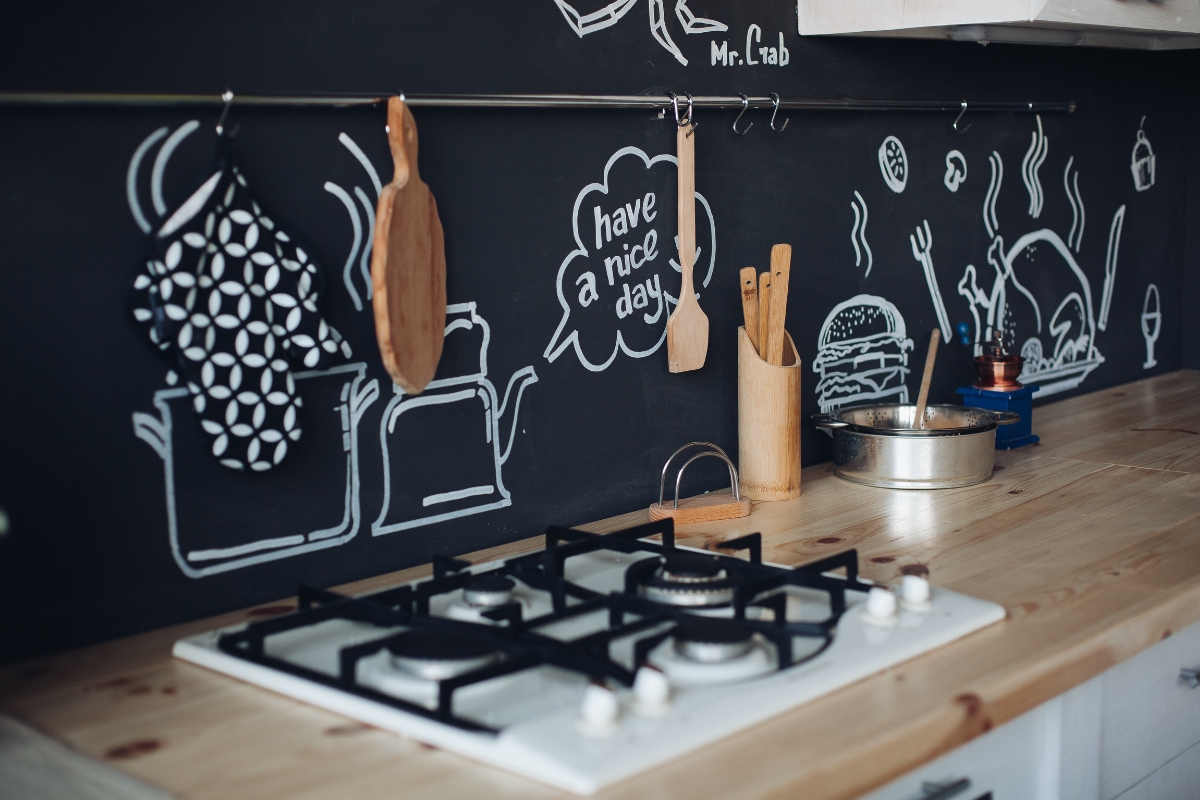
Inspired by pro kitchens, pegboards are having a revival. They organize tools beautifully and bring that workshop-chic aesthetic.
Individually, these ideas are strong, but layered together,r they can make a kitchen feel incredibly dynamic.
How to Style Creative Kitchen Walls at Home
Here’s a simple roadmap so the process doesn’t feel overwhelming:
Decide Your Wall’s “Role”
Before buying anything, ask: What purpose do I want this wall to serve?
It might be:
-
Purely decorative (art, photos, feature wall)
-
Functional storage (hooks, shelving, pegboards)
-
Hybrid (mix of storage + décor)
Tip: Hybrid walls almost always look the most intentional.
Choose a Style Direction
This helps keep the wall cohesive and avoids a cluttered, mismatched look.
Some popular style directions:
-
Modern Scandinavian
-
Cottage chic
-
Minimalist industrial
-
Mid-century warm wood tones
-
Japandi (warm, calm, natural)
-
Farmhouse modern
-
Boho with ceramics & greenery
Choosing one doesn’t mean locking yourself in — it just avoids chaos.
Add Texture or a Base Layer
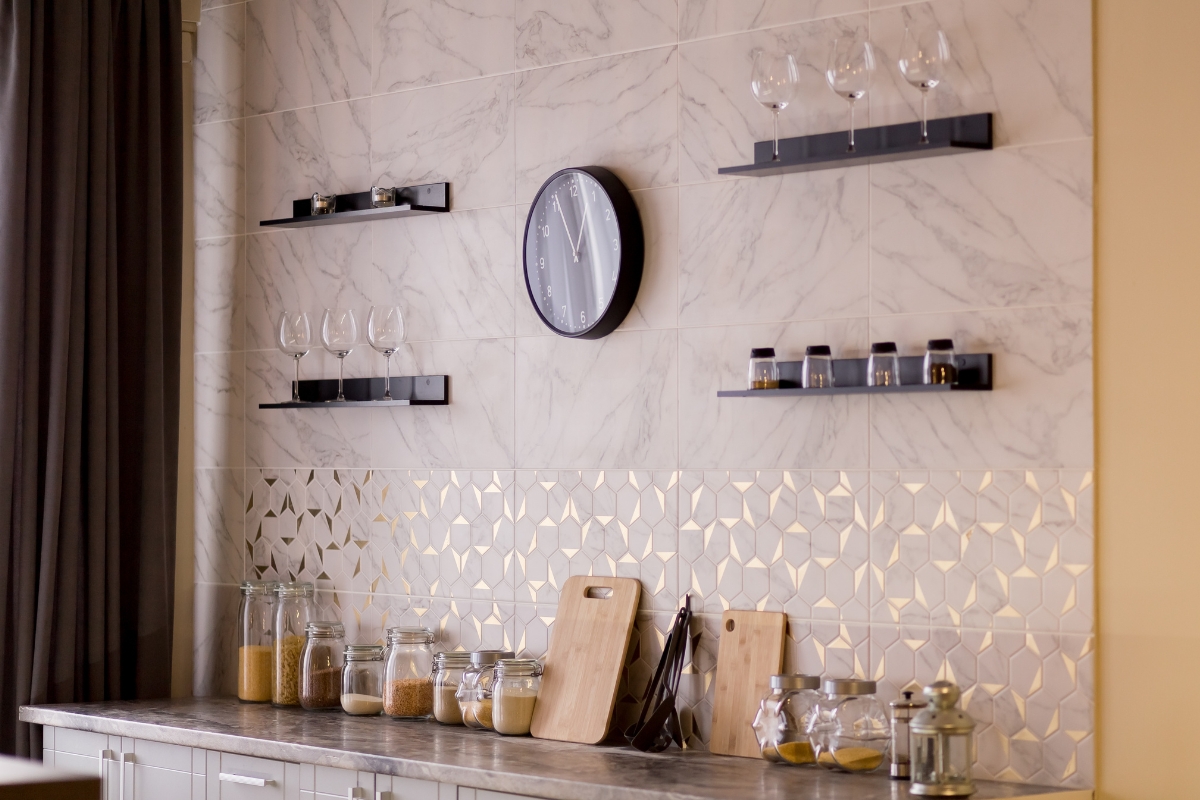
Texture makes everything look richer. Options include:
-
Tile (subway, zellige, mosaic, stone)
-
Beadboard or shiplap
-
Limewash or microcement
-
Wood slats or thin paneling
-
Pinboard or corkboard
-
Peel-and-stick options for renters
Even changing the paint finish (matte vs. satin) can make a surprising difference.
Layer in Storage or Decorative Features
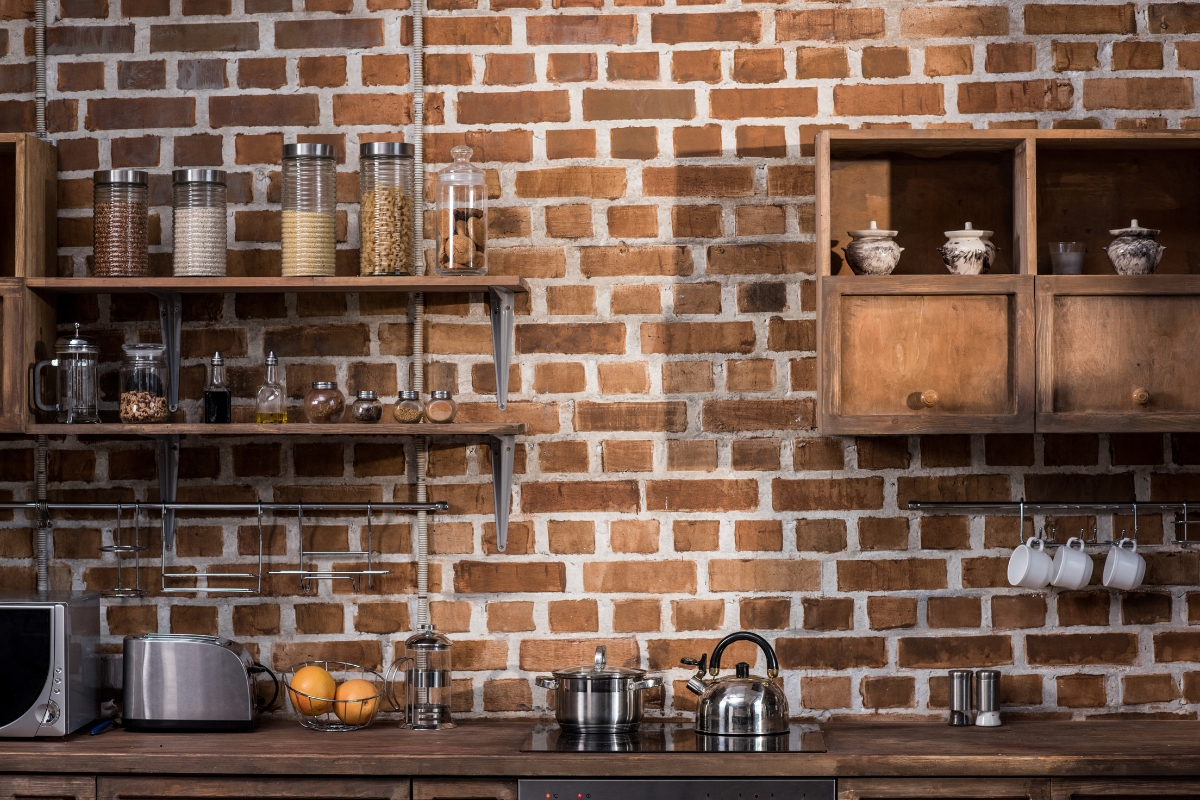
Common elements:
-
Floating shelves
-
Open ledges
-
Pot rails with hooks
-
Knife magnets
-
Pegboards
-
Plate racks
-
Coffee mug rails
-
Tall spice rails
These bring depth and break up the flatness of a wall.
Add Personality & Curated Displays
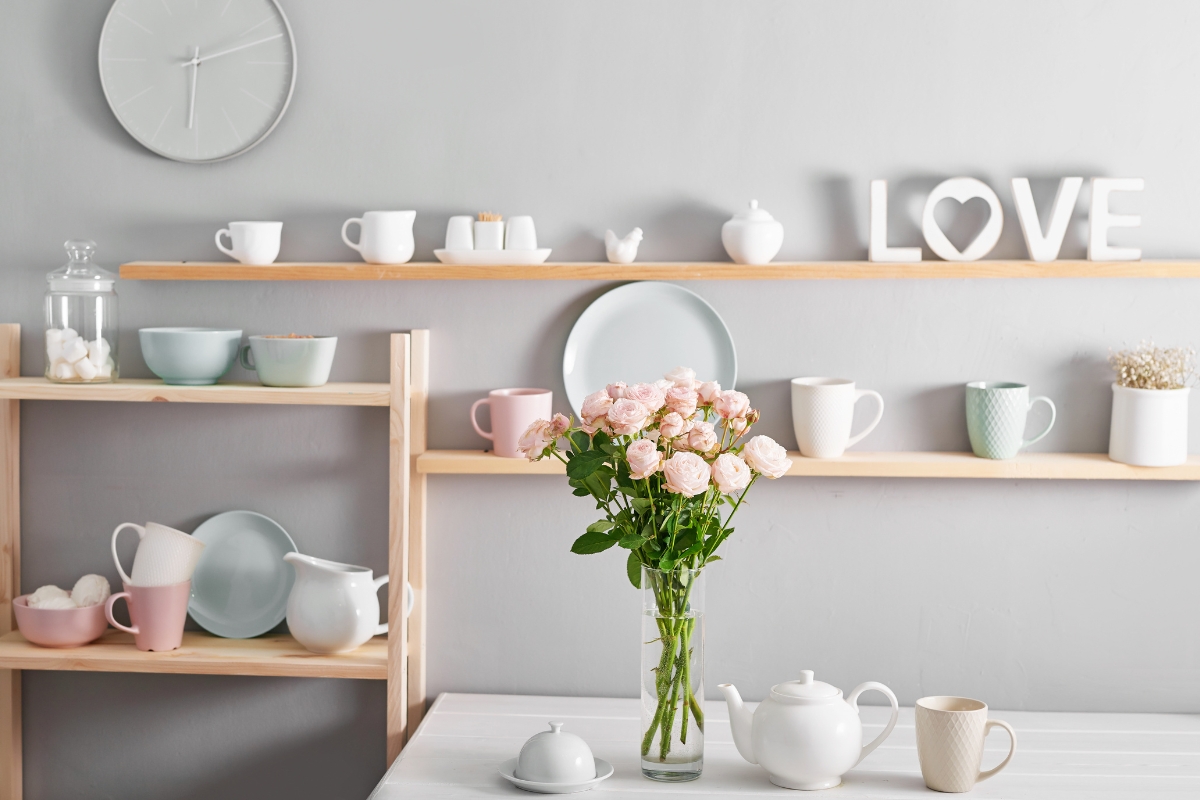
This is where the magic happens. Consider:
-
Cookbook displays
-
Framed prints or typography
-
Cutting board stack
-
Pretty bowls or ceramics
-
Copper or matte black utensils
-
Dried herbs or greenery
-
Vintage kitchen finds
Just remember: curate, don’t cram. Which leads us to…
How to Do This on a Budget (Realistic Ideas!)
You don’t need a luxury renovation to get a Pinterest-worthy result. Here are genuinely wallet-friendly options:
DIY: Use Pegboards (Under $40-$60)
They’re renter-friendly, modular, and surprisingly chic when painted to match the wall. Hang:
-
ladles
-
measuring cups
-
small pots
-
scissors
-
colanders
-
mugs
Instant bistro vibes.
DIY: Create a Mini Art Gallery
Frame:
-
recipe cards
-
food illustrations
-
vintage fruit prints
-
handwritten family recipes
-
coffee or pastry sketches
This adds so much warmth and charm.
Thrift stores often have great frames for cheap — just spray paint them for cohesion.
DIY: Use Cutting Boards as Wall Decor
A stack of different wood tones leans warm and rustic. Combine:
-
acacia
-
maple
-
walnut
-
bamboo
Hang a few and lean a few. Very casual, very European farmhouse.
DIY: Swap Upper Cabinets for Shelves
If you’re comfortable removing cabinets, open shelves are transformative. But if,ot — do half! One shelf is still a big statement.
Budget-Friendly Retail Sources
(Stores that make this look easy without luxury prices)
-
IKEA
-
H&M Home
-
Target
-
Amazon
-
Thrift shops
-
Local ceramic markets
-
Etsy (for art & handmade pieces)
Mistakes to Avoid (So Your Wall Doesn’t Look Messy)
Kitchen walls can go from stylish to chaotic fast. A few pitfalls to watch for:
Mistake: Overcrowding Everything
Too many objects create visual noise.
Fix: Use negative space. Leave gaps. Not every inch needs decor.
Mistake: Clashing Color Stories
When each item is a different color or texture, the look becomes overwhelming.
Fix: Pick a palette.
Examples:
-
neutrals + wood tones + greenery
-
black + white + warm wood
-
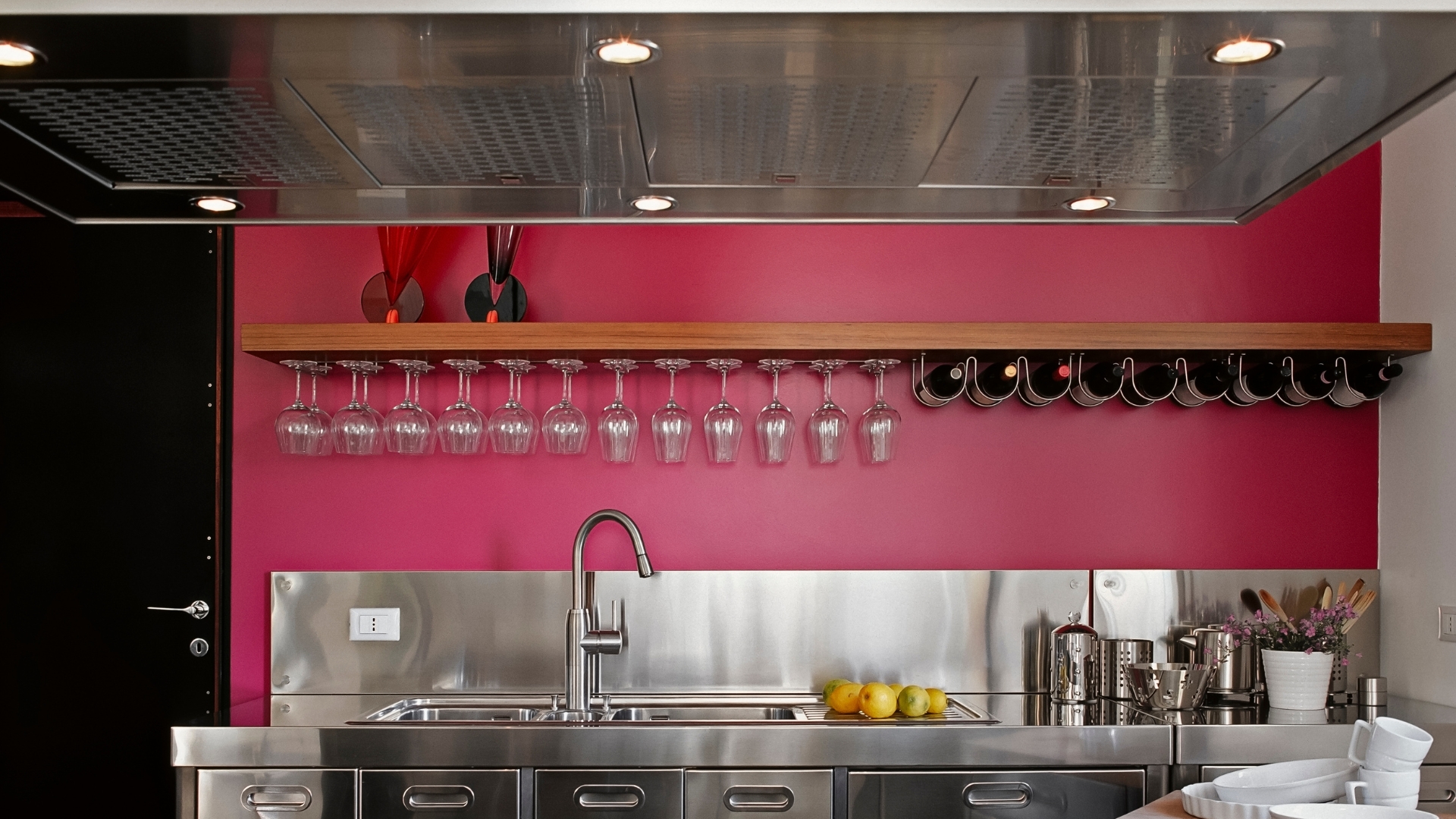
stainless steel + neutrals + stone
Mistake: Choosing Beautiful But Impractical Pieces
If pieces are too delicate or annoying to clean, you won’t enjoy them.
Fix: Curate for durability. Kitchens get messy — grease is real.
Mistake: Floating Shelves With No Styling Plan
Bare shelves look accidental.
Fix: Arrange pieces in:
-
small groups
-
stacks
-
height variations
Use the 60/30/10 rule:
-
60% functional
-
30% decorative
-
10% personal charm
Mistake: Forgetting Lighting
Lighting changes everything. Under-shelf LEDs or small sconces add charm and glow.
Why Homeowners Love This Trend (Beyond Aesthetics)
This trend isn’t just about looking cute on Pinterest. It has practical benefits:
Makes Small Kitchens Feel More Interesting
Walls add dimension without needing more floor space.
Encourages Better Organization
Rail systems and pegboards keep frequently used tools within reach.
Creates a Sense of Personality
Kitchens often feel utilitarian — walls make them feel lived-in and loved.
Works for Renters Too
Peel-and-stick products and lightweight storage mean no renovations required.
Final Thoughts: Kitchens Deserve Art, Texture, and Personality Too
For years, kitchens were seen as strictly functional zones — places to chop, cook, and clean. But homes today are embracing spaces that inspire creativity, spark social connection, and show a little personality. And kitchens are finally part of that shift. Creative Kitchen Walls are a perfect example of how design is evolving to feel warmer, more intentional, and way more fun.
The best part? You don’t need a full remodel to get in on the trend. Sometimes all it takes is a few framed prints, a pegboard, a floating shelf, or even a simple wood panel accent wall to make a huge visual impact.
So the next time you walk into your kitchen, pause for a second and ask yourself:
“Is this wall working for me? Or could it become a moment?”
Chances are, there’s room for beauty, storage, and personality — all wrapped into one smartly designed wall.
Author’s Note:
Kitchen walls offer a unique opportunity to combine style and functionality. Thoughtful colors, textures, and displays can turn ordinary walls into focal points that enhance both the look and usability of the space.