
Introduction
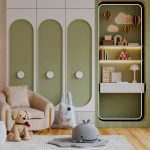
Creating a kids’ room that grows with them is all about balancing style, function, and flexibility. With the right mix of adaptable furniture, smart storage, and easy-to-update decor, you can design a space that evolves with your child’s changing interests and needs.
Kids grow fast. Their interests change even faster.
One year it’s dinosaurs, the next it’s space, then suddenly they want a desk for homework and privacy. Redecorating a full room every time that happens? Exhausting—and expensive.
That’s exactly why adaptable kids’ room design has become such a major trend in 2026. Families want rooms that evolve, not rooms that expire.
This trend is popular because:
-
Homes are getting more practical and multifunctional
-
Parents want long-term value from furniture and decor
-
Kids benefit from calm, organized spaces that grow with them
-
Sustainability and budget-conscious design matter more than ever
In short, we’re designing smarter—not harder.
What Is a “Growing Kids Room” Decor Trend?
A growing kids’ room is designed with flexibility, neutrality, and adaptability in mind.
Instead of decorating for one age or phase, the room is built around:
-
A timeless base
-
Adjustable furniture
-
Easy-to-swap decor layers
-
Smart storage that evolves with needs
The idea is simple: change the details, not the foundation.
This approach works beautifully from toddler years all the way to the teen stage—without the room ever feeling outdated or dull.
How to Design aKids’s Room That Grows with Them.
Let me walk you through this the same way I do when planning a real client space.
Start with a Calm, Timeless Base
This is the most important step—and the one people often skip.
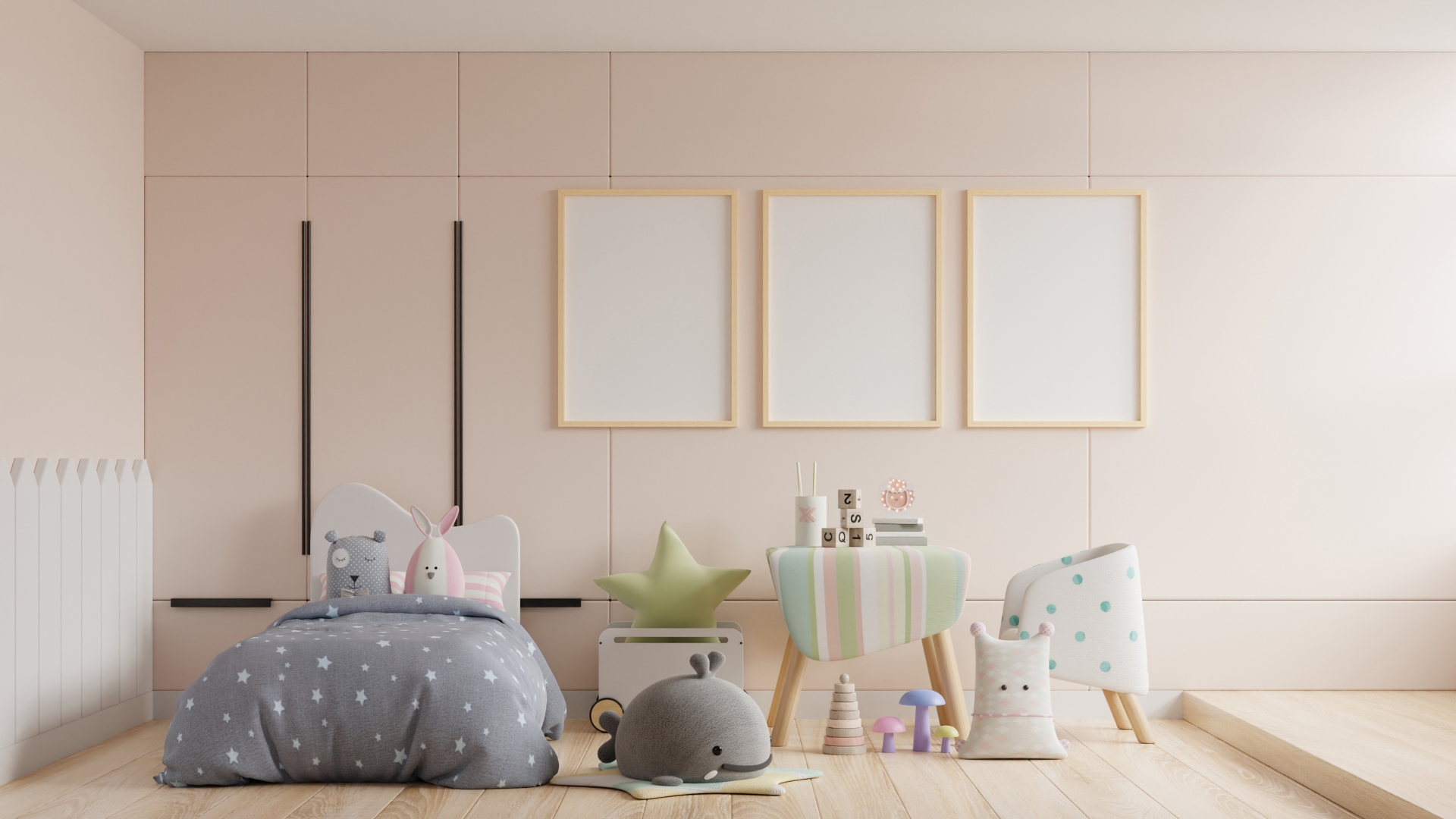
Choose neutral or soft colors for walls and large furniture. These create a backdrop that works for every age.
Popular base colors for growing kids’ rooms:
-
Warm white or cream
-
Soft beige or greige
-
Muted sage green
-
Dusty blue
-
Light clay or blush
Why this works: neutrals don’t fight changing decor styles. They allow you to layer in personality without repainting every year.
Real-home tip: If your child wants color, use it on one wall, through removable wallpaper, or via accessories instead of the entire room.
Invest in Furniture That Grows with Your Child
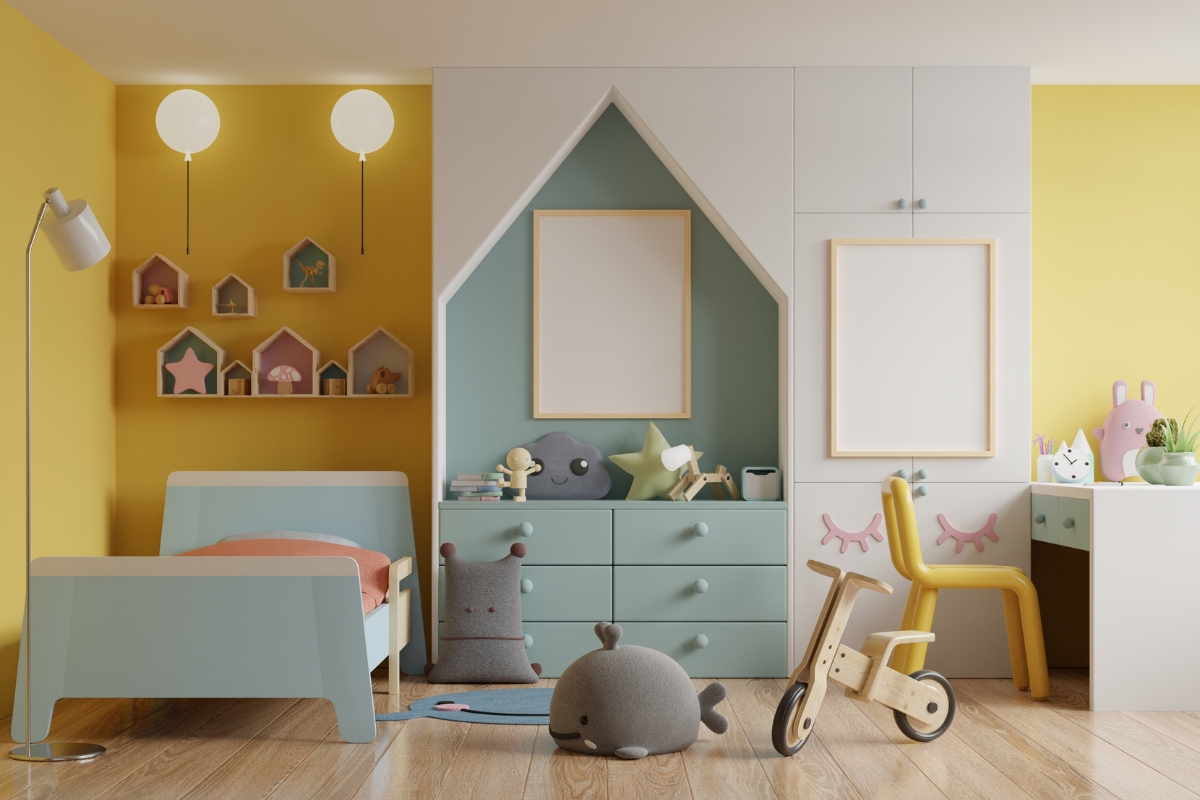
This trend is all about multi-functional and adjustable furniture.
Look for pieces like:
-
Extendable or standard beds (instead of toddler-themed beds)
-
Desks with adjustable heights
-
Dressers that can double as changing tables early on
-
Storage benches that work for toys now and seating later
Why it’s popular: these pieces last longer and feel intentional—not temporary.
My honest advice: Spend your money on furniture, not themed decor. Furniture is the hardest thing to replace later.
Design the Room in Zones
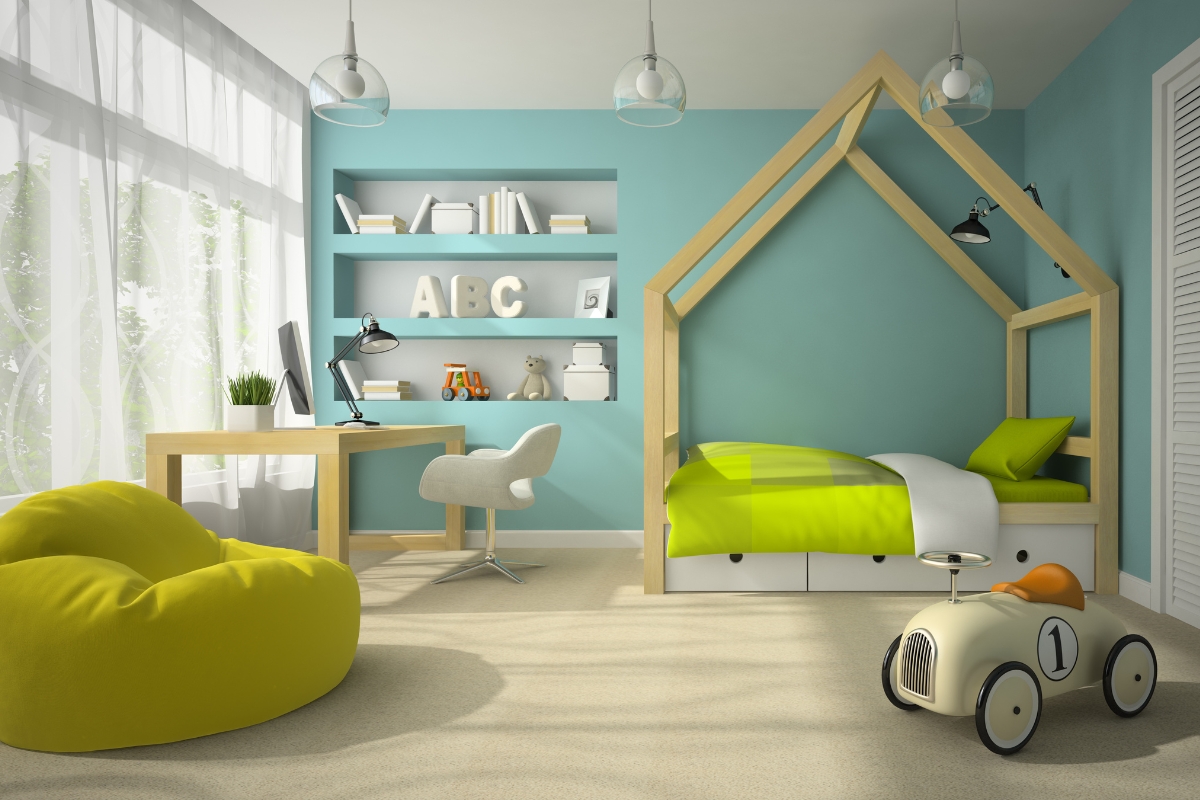
Instead of one big open space, divide the room into functional zones. This makes the room easier to adapt as needs change.
Typical zones include:
-
Sleep zone (bed, nightstand, soft lighting)
-
Play or creative zone (floor space, table, art area)
-
Storage zone (shelves, bins, wardrobe)
-
Study or reading nook (as they grow)
You can define zones using:
-
Rugs
-
Furniture placement
-
Wall shelves
-
Lighting
The beauty of zoning is that the purpose of each zone can change over time without changing the room layout.
Add Personality Through Easy-to-Change Decor
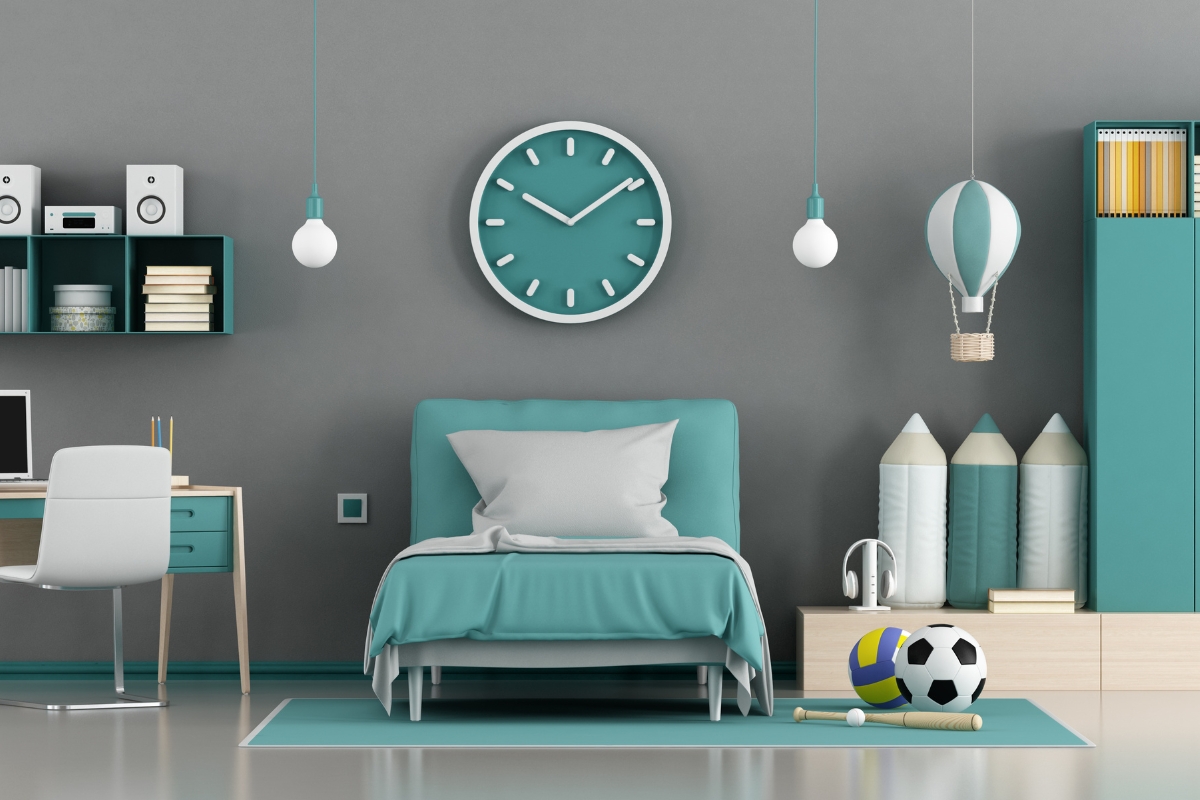
This is where you let your child’s personality shine—without locking yourself into it forever.
Instead of permanent themes, use:
-
Wall decals or removable murals
-
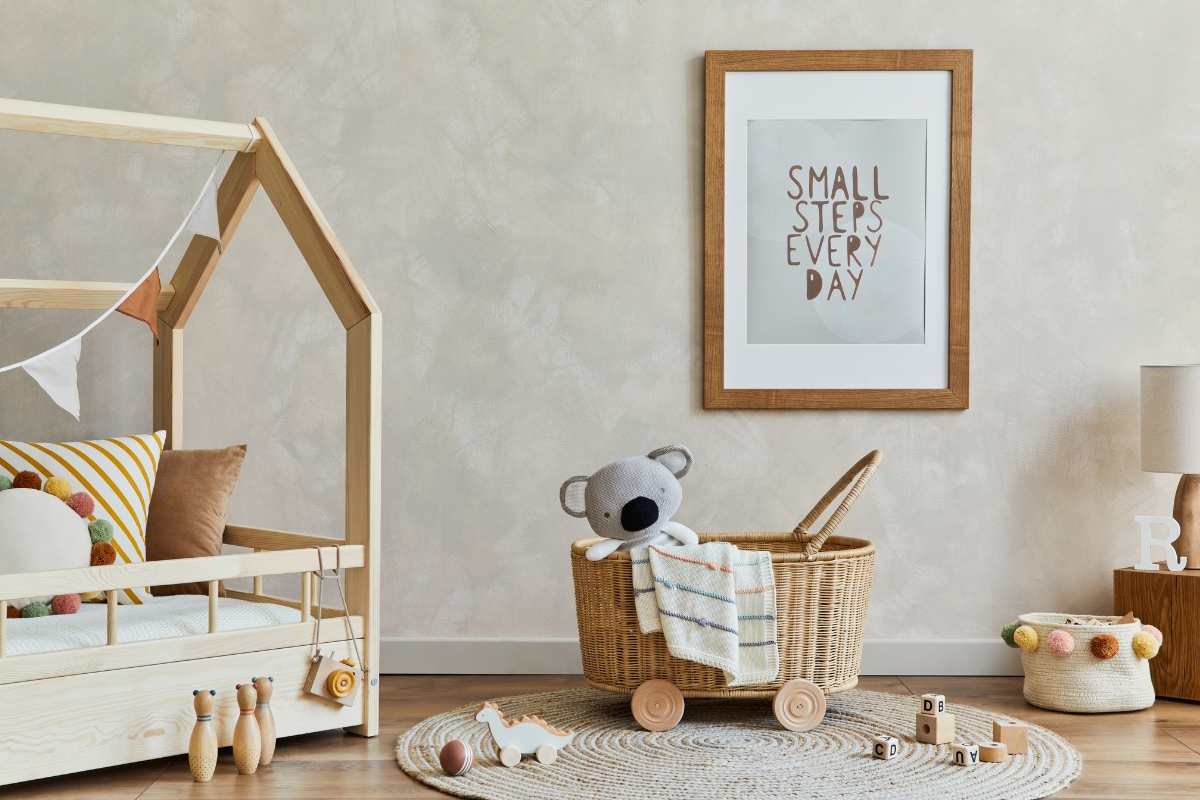
Bedding in fun patterns or favorite colors
-
Throw pillows, cushions, and rugs
-
Artwork, posters, or framed prints
-
Fun-shaped shelves or pegboards
Why this works: these items are affordable, easy to replace, and perfect for evolving interests.
One of my favorite tricks? Keep the walls neutral and let the bedding tell the story. It’s the easiest update you’ll ever make.
Make Storage Flexible (and Kid-Friendly)
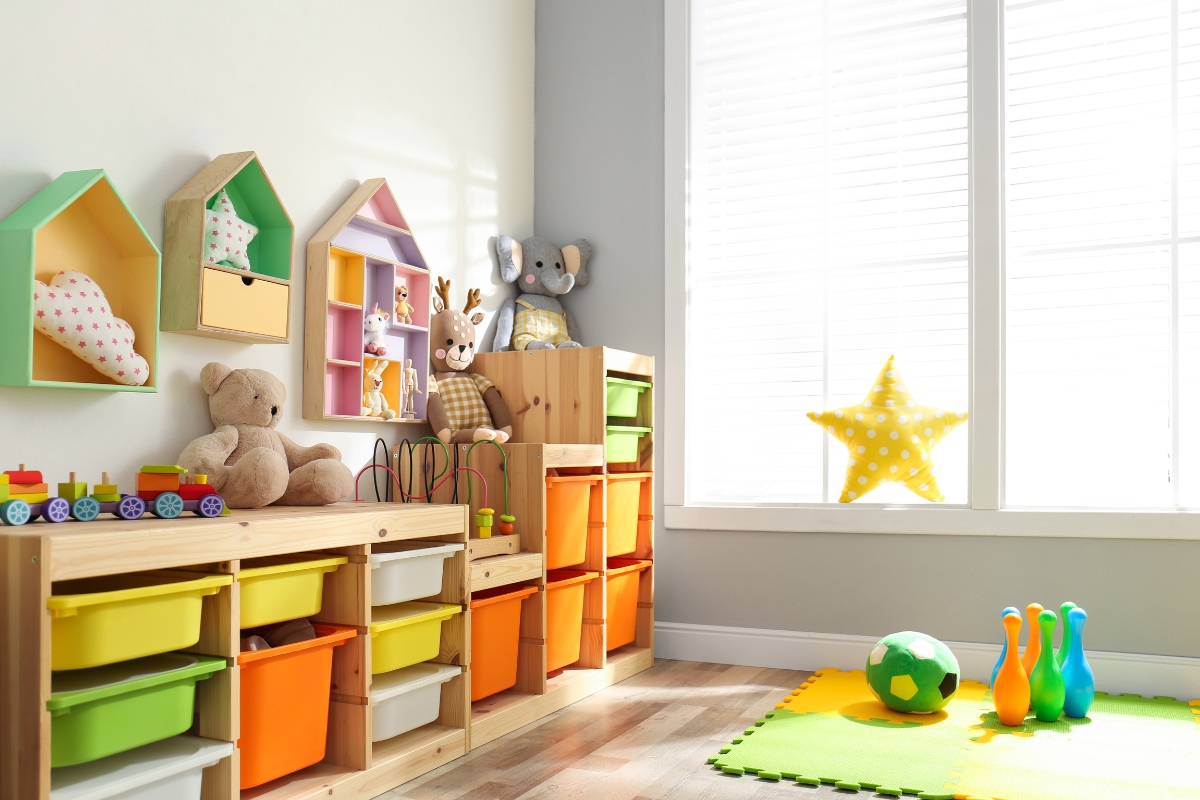
A grkid’s kids’ room needs storage that evolves.
Early years:
-
Toy bins
-
Open baskets
-
Low shelves
Later years:
-
Book storage
-
Desk organizers
-
Closed cabinets for privacy
Choose storage systems that can shift roles over time.
Kid-friendly storage tips:
-
Keep frequently used items at child height
-
Use labeled baskets (pictures for younger kids, words for older ones)
-
Mix open and closed storage to avoid visual clutter
When kids can access and manage their own things, the room stays organized longer—trust me on this.
Budget-Friendly & DIY Ideas That Actually Work
You don’t need a designer budget to follow this trend. Here are some realistic ideas I swear by.
Use Removable Wallpaper or Decals
They add instant personality and peel off easily when tastes change.
IKEA-Style Modular Furniture
Shelving units, cube storage, and adjustable desks can be reconfigured endlessly as needs change.
DIY Art Walls
Create a rotating art display using clip frames, cork boards, or wire hangers. It grows with your child and feels personal.
Update with Textiles
Changing curtains, bedding, or rugs instantly refreshes the room without touching furniture or walls.
Repurpose Instead of Replace
That toy shelf can become a bookcase. That storage bench can become a reading seat. Think creatively.
Common Styling Mistakes (and How to Avoid Them)
I see these mistakes all the time—so let’s save you the trouble.
Over-Themed Rooms
They’re cute… briefly.
Fix: Use themes in accessories, not furniture or wall color.
Ignoring Storage Early
Clutter doesn’t wait.
Fix: Plan storage from the beginning—even if you don’t think you need it yet.
Choosing Furniture That’s Too Small
Tiny furniture gets replaced quickly.
Fix: Go for standard-sized pieces that can grow with your child.
Forgetting Comfort
Aesthetic-only choices don’t survive real life.
Fix: Choose washable rugs, durable fabrics, and soft lighting.
Designing a GrowingKids’s Room: Decor Ideas
When designing a kids’ room that grows with them, focus on flexible decor that can easily adapt over time. Choose neutral base colors for walls and large furniture, then layer in personality through bedding, wall art, and accessories that can be changed as interests evolve. Storage is key — think shelves, bins, and multi-purpose furniture that keeps the space organized while leaving room to play, learn, and relax.
Personal insight
I’ve noticed that the most successful kids’ rooms are the ones that don’t try to “lock in” a single theme. Children’s tastes change quickly, and a room that allows small updates instead of big makeovers saves time, effort, and money. A simple base design keeps the space feeling fresh ait growsow.
Small real-life situation
A parent once decorated their child’s room around a cartoon theme, only to find the childhad outgrownw it within a year. By switching to neutral walls and adding themed pillows and posters instead, they could easily update the room without repainting or buying new furniture.
Practical tip
Use adjustable or modular furniture, like desks with height settings or stackable storage cubes, so the room naturally adapts to your child’s changing needs over the years.
Final Thoughts & A Room That Grows Alongside Them
Designing a kids’ room isn’t about predicting the future—it’s about preparing for change.
When you focus on:
-
A calm, timeless base
-
Flexible furniture
-
Easy-to-update decor
-
Smart storage
You create a room that supports your child through every stage—without constant redesigns.
And honestly? That’s one of the most beautiful things about this trend. It respects both the child’s growth and the parent’s sanity.
If you’re planning a kids’ room right now, think long-term, stay flexible, and don’t chase every phase. Design a space that grows, shifts, and adapts—just like your child does.