
Introduction:
Future Furniture 2026 focuses on smarter, more adaptable living. Today’s homes need furniture that does more than just look good; it should save space, serve multiple purposes, and adjust to changing lifestyles. From modular seating to tech-integrated designs, this new approach blends comfort, practicality, and style. In simple terms, it’s about creating spaces that work better for everyday life while staying modern and future-ready.
If you’ve recently felt like your home needs to work harder, you’re certainly not alone. The idea behind Future Furniture 2026 is reshaping modern living. It focuses on spaces that are flexible, tech-friendly, cozy, and practical, not just visually appealing. As a result, a new wave of smart, modular, and multi-functional furniture is gaining attention. These pieces are designed to meet the changing needs of everyday life.
What once felt futuristic has now become a practical reality. Today, these solutions work well in apartments, family homes, and even small rentals. Thanks to their adaptability and convenience, homeowners can use every square foot more efficiently. In contrast, traditional furniture often feels limiting in fast-changing, multi-purpose spaces. Moreover, thoughtful design and built-in technology help rooms adjust as lifestyles evolve. Because of this, your home can grow with you and support the way you live.
Why Smart, Modular & Multi-Functional Furniture is Trending
Several lifestyle and design shifts are driving this trend:
Smaller, Smarter Living Spaces
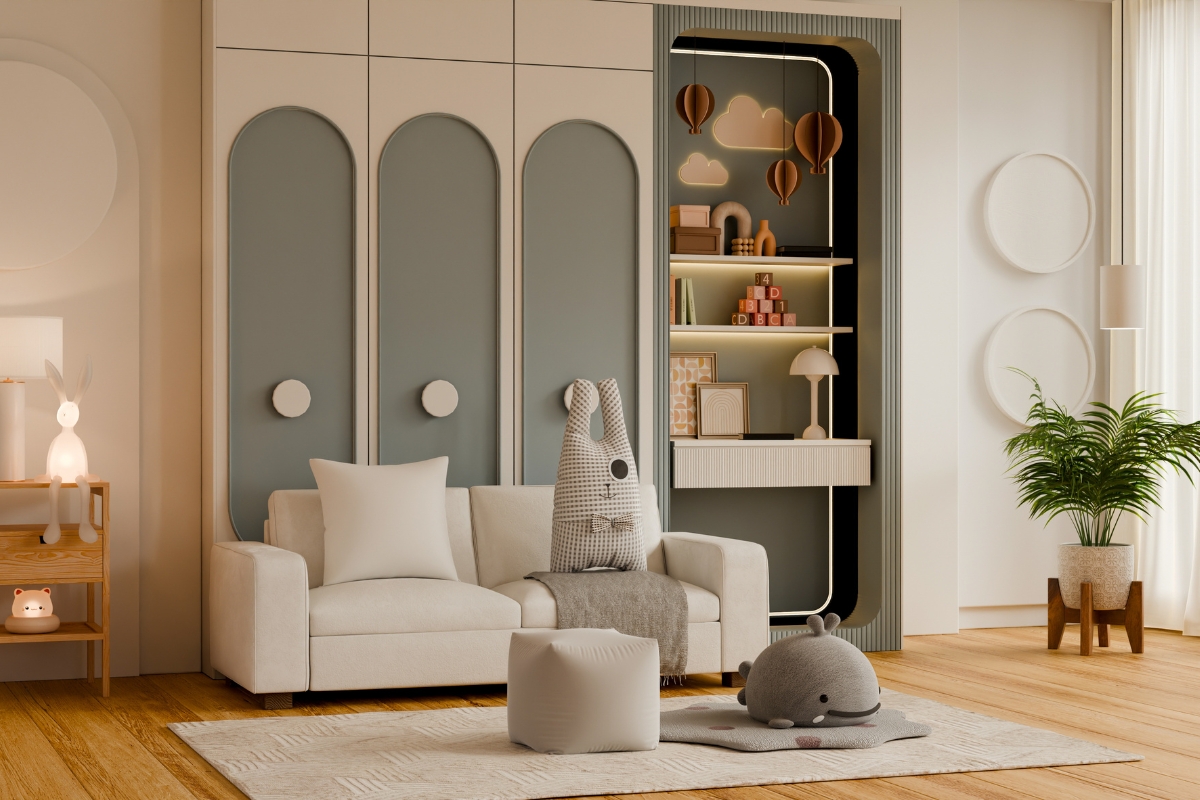
Urban living has become denser than ever, with apartments, tiny homes, and multifunctional rooms growing increasingly common. Consequently, furniture must be both adaptable and versatile to meet the demands of these compact spaces. For example, a bed that transforms into a sofa or a desk that also offers storage can make even the smallest rooms feel open, functional, and surprisingly luxurious. By prioritizing pieces that serve multiple purposes, homeowners can maximize space without compromising on style or comfort.
The Rise of Remote Work & Flexible Living
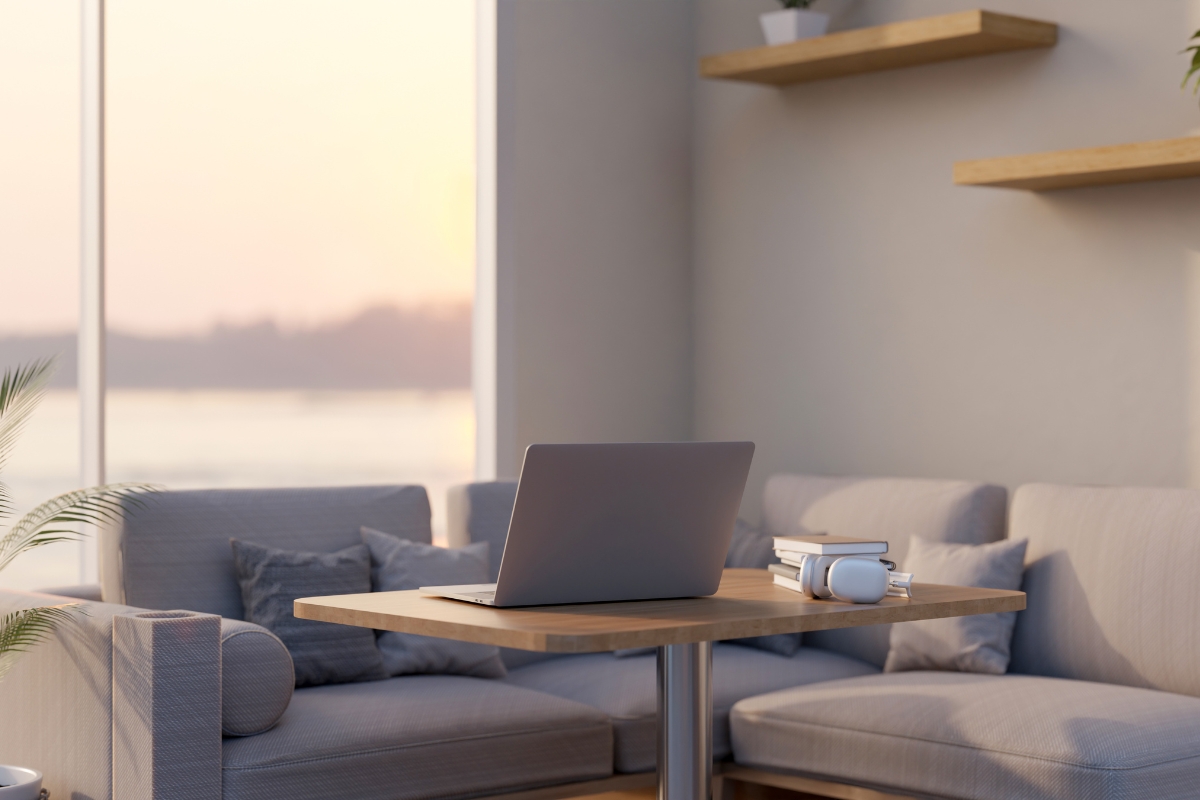
As more people work from home, furniture is now expected to serve multiple functions. For this reason, desks, chairs, and storage units that can seamlessly transition between work and relaxation are becoming essential in modern living spaces. By combining practicality with comfort, these versatile pieces help create a home environment that supports both productivity and downtime.
Sustainability & Longevity
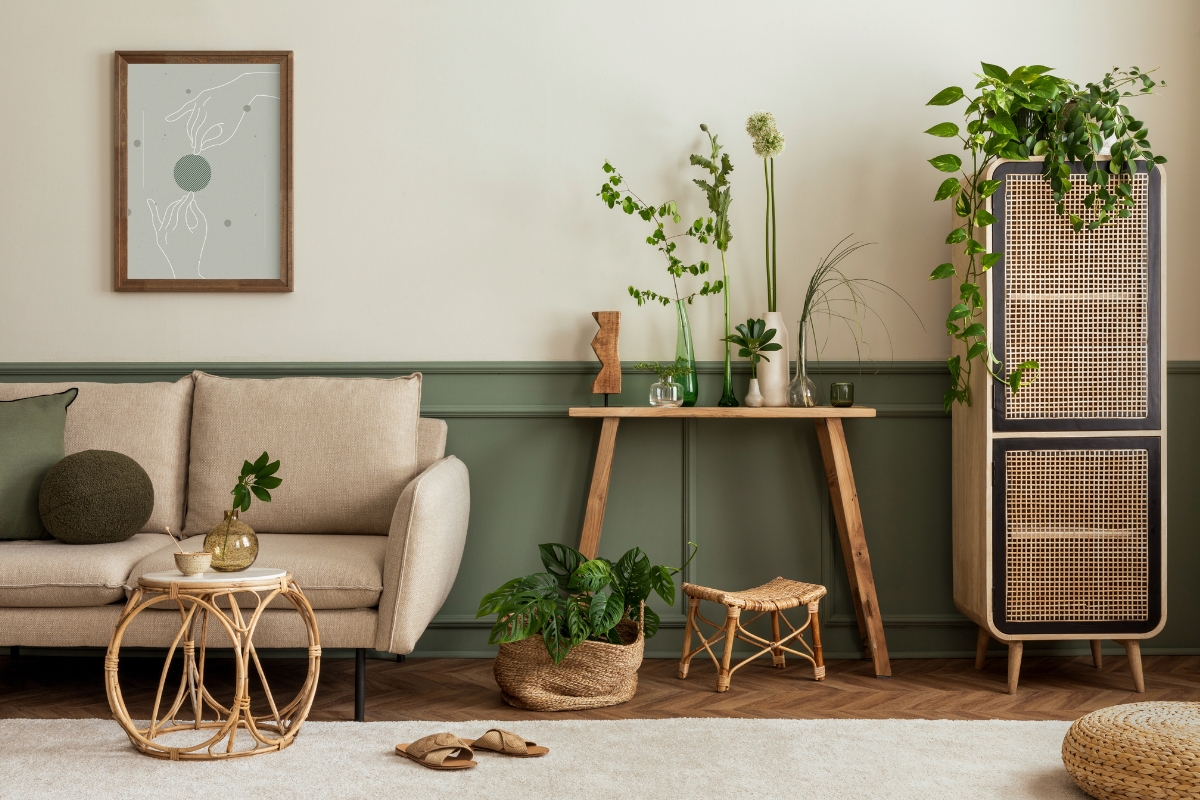
Choosing fewer, high-quality pieces that serve multiple purposes is both practical and environmentally friendly. In addition, modular furniture offers the flexibility to adapt and grow with your lifestyle. This adaptability reduces the need for frequent replacements as your needs or circumstances change, making it a smart and sustainable investment for any home.
Technology Integration
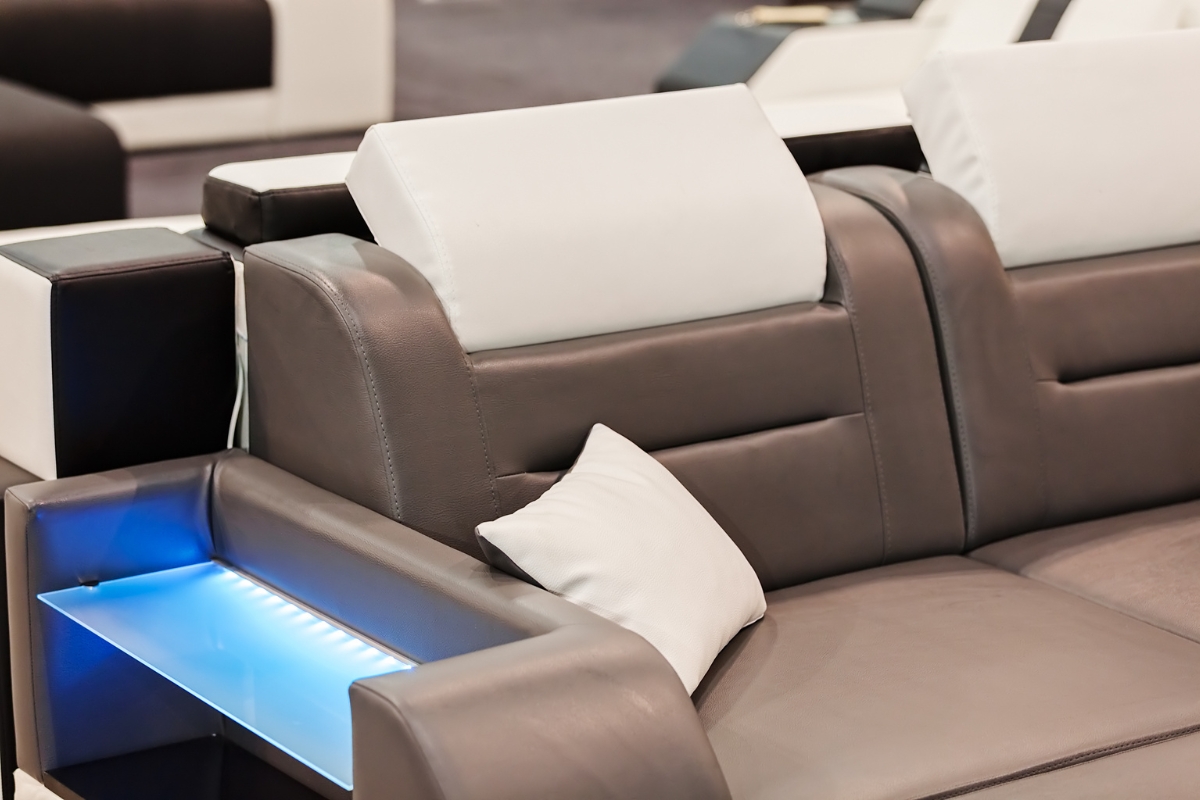
Smart homes are no longer a concept of the future; they have become an integral part of everyday life. As a result, furniture is evolving to match this shift, with integrated features such as wireless charging, hidden power outlets, and built-in speakers. These innovations allow technology and design to merge seamlessly, creating pieces that are not only functional but also visually appealing. By incorporating smart features, modern furniture enhances convenience, supports a connected lifestyle, and transforms ordinary rooms into efficient, tech-ready spaces.
Breaking Down the Trend: What Smart, Modular & Multi-Functional Furniture Looks Like
Here’s what to look for when hunting for 2026-ready pieces:
Modular Furniture
Multi-Functional Pieces
Multi-functional furniture serves more than one purpose. These are the MVPs of small-space living.
-
Coffee tables with storage: Hide blankets, board games, or books.
-
Sofa beds: Perfect for overnight guests without a separate guest room.
-
Dining tables that double as desks: Ideal for work-from-home setups.
The key is seamless design: your furniture should feel elegant, not like a jack-of-all-trades hack.
Smart Furniture
Smart furniture combines technology with practicality:
-
Desks with built-in wireless charging.
-
Sofas with USB ports or Bluetooth speakers.
-
Beds with ambient lighting or adjustable firmness controls.
Smart furniture is trending because it integrates convenience without adding clutter.
How to Use This Trend in Your Home
Adopting smart, modular, and multi-functional furniture doesn’t have to be overwhelming. Here’s a simple roadmap:
Assess Your Needs
Ask yourself:
-
Do I need more storage?
-
Am I maximizing small spaces?
-
Do I want integrated tech for convenience?
Write a list of your must-haves. This ensures you don’t buy trendy pieces that don’t actually serve you.
Prioritize Key Pieces
Start with furniture that makes the biggest impact. For example:
-
A modular sofa in the living room
-
A multi-functional dining table or desk
-
Smart bedside tables or storage units
It’s better to start small and layer in more pieces than overwhelm your space.
Mix Function With Style
Just because furniture is functional doesn’t mean it can’t be beautiful. Look for:
-
Clean lines
-
Neutral palettes or natural wood finishes
-
Sleek modular designs that fit your aesthetic
Tip: Modular pieces with hidden storage are especially Pinterest-worthy — they look minimal but are incredibly practical.
Experiment With Layouts
One of the joys of modular furniture is versatility. Move pieces around to see what works best:
-
Sectionals can face the TV or create a cozy conversation nook.
-
Shelving units can divide a studio space while storing decor and essentials.
-
Folding tables and desks can be stowed when not in use.
This experimentation helps you discover how your home can truly function for you.
Budget-Friendly & DIY Ideas
You don’t need to spend a fortune to embrace future-ready furniture. Here are some practical tips:
Modular IKEA Hacks
IKEA modular systems like Kallax, Soderhamn, or Vallentuna can be customized with paint, panels, and extra storage inserts for a high-end look on a budget.
DIY Multi-Functional Furniture
-
Turn an old coffee table into a lift-top with hidden storage.
-
Add casters to a sideboard for mobility.
-
Create a desk-to-dining table using folding hinges or a sliding top.
Upcycle Smart Features
You can retrofit existing furniture with smart elements:
-
Stick-on USB charging hubs
-
Bluetooth speakers or lights
-
Adjustable legs or rollers
Small additions make a big difference without replacing all your furniture.
Common Mistakes & How to Avoid Them
Even with the best intentions, multi-functional furniture can backfire. Avoid these mistakes:
Choosing Function Over Comfort
A modular sofa may look amazing, but if it’s not comfortable, it won’t get used. Always test seating, bed, and desk ergonomics before buying.
Overcrowding a Small Space
Multi-functional pieces can tempt you to add more “just because.” Don’t overfill. Negative space is as important as storage.
Ignoring Aesthetic Cohesion
Mixing too many modular styles can look chaotic. Stick to a cohesive palette or material family.
Underestimating Tech Needs
Smart furniture is convenient, but think practically: do you have outlets near your smart desk? Will your Wi-Fi reach your sofa with built-in speakers?
Future Furniture Trends You Can Expect Beyond 2026
Final Thoughts & Gentle Inspiration
Future Furniture 2026 perfectly reflects how modern lifestyles are evolving, highlighting smart design that responds to the way we live and interact with our spaces. By seamlessly combining modularity, multi-functionality, and thoughtful planning, these pieces allow homes to stay flexible, efficient, and comfortable — all while maintaining a polished, stylish look. One of the most appealing aspects of this approach is its accessibility: you don’t need a massive budget or a full-scale renovation to make a meaningful difference. Even a single modular sofa, a versatile dining or work table, or a multi-purpose storage unit can transform how a room feels and functions on a daily basis.
Moreover, Future Furniture 2026 emphasizes adaptability over rigidity, meaning your furniture works for you instead of forcing you to work around it. Over time, this flexibility allows spaces to evolve alongside your lifestyle — whether you’re adjusting to new routines, welcoming guests, or simply experimenting with layouts that feel more personal. In essence, this trend is less about following rigid design rules and more about creating a home that supports comfort, practicality, and individuality in equal measure, making every room both functional and inspiring.