
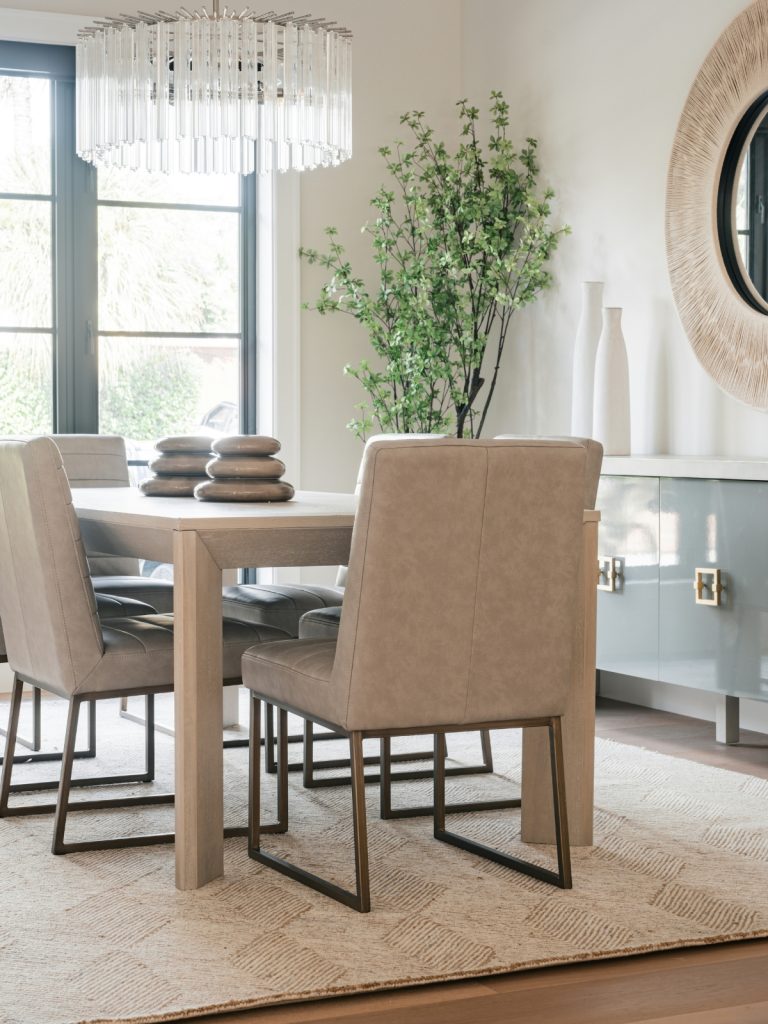

How to Mix and Match Furniture Styles Like a Pro
Mixing furniture styles is one of the most rewarding (and intimidating) parts of interior design. It’s the secret behind rooms that feel both curated and comfortable—spaces that reflect personality without looking chaotic. Whether you love mid-century modern, boho, farmhouse, or contemporary design, the key is knowing how to blend them harmoniously.
In this guide, you’ll learn how to mix and match furniture styles like a pro, discover solutions to common design challenges, and explore how the right lighting can make all the difference in your space.
Why Mixing Furniture Styles Works
Gone are the days when your entire home had to look like it came from a single catalog. Today’s design philosophy celebrates individuality and creativity. Mixing furniture styles allows you to:
-
Showcase personal taste and history
-
Create visual interest through contrast
-
Avoid a cookie-cutter look
-
Make the most of the pieces you already own
When done right, the mix feels intentional and cohesive—like a beautifully layered story told through furniture and décor.
Start with a Defined Foundation

Before you start mixing, establish a base style that anchors the room. This gives your design direction and prevents visual confusion.
For example:
-
If your foundation is modern, you can introduce rustic elements like a reclaimed wood coffee table.
-
If your base is traditional, balance it with sleek contemporary lighting or minimalist artwork.
Choose one dominant style (around 70%) and one or two supporting styles (30%). This rule of thumb helps maintain balance while still allowing for creativity.
Find a Common Thread
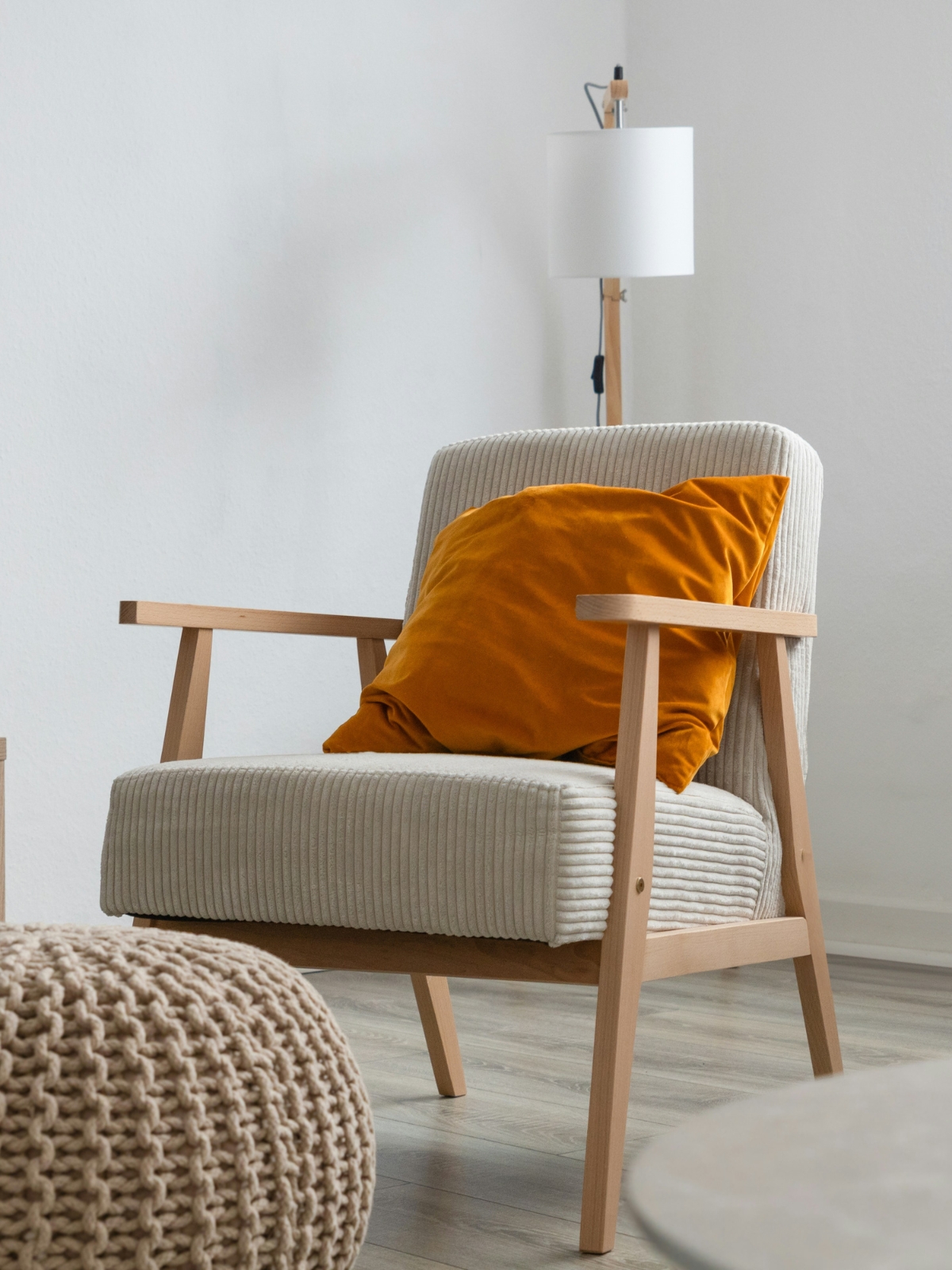
The secret to mixing furniture styles successfully lies in identifying a unifying element—something that ties different pieces together. Common threads can include:
-
Color palette: A neutral base with pops of accent colors can unify varied furniture designs.
-
Material: Repeating finishes like brass, wood, or matte black create visual consistency.
-
Shape: Similar silhouettes (e.g., curved backs or straight lines) make diverse styles feel related.
Pro Tip:
If you have an antique dresser and a sleek modern mirror, use matching hardware or a shared accent color to bridge the aesthetic gap.
Balance Proportion and Scale
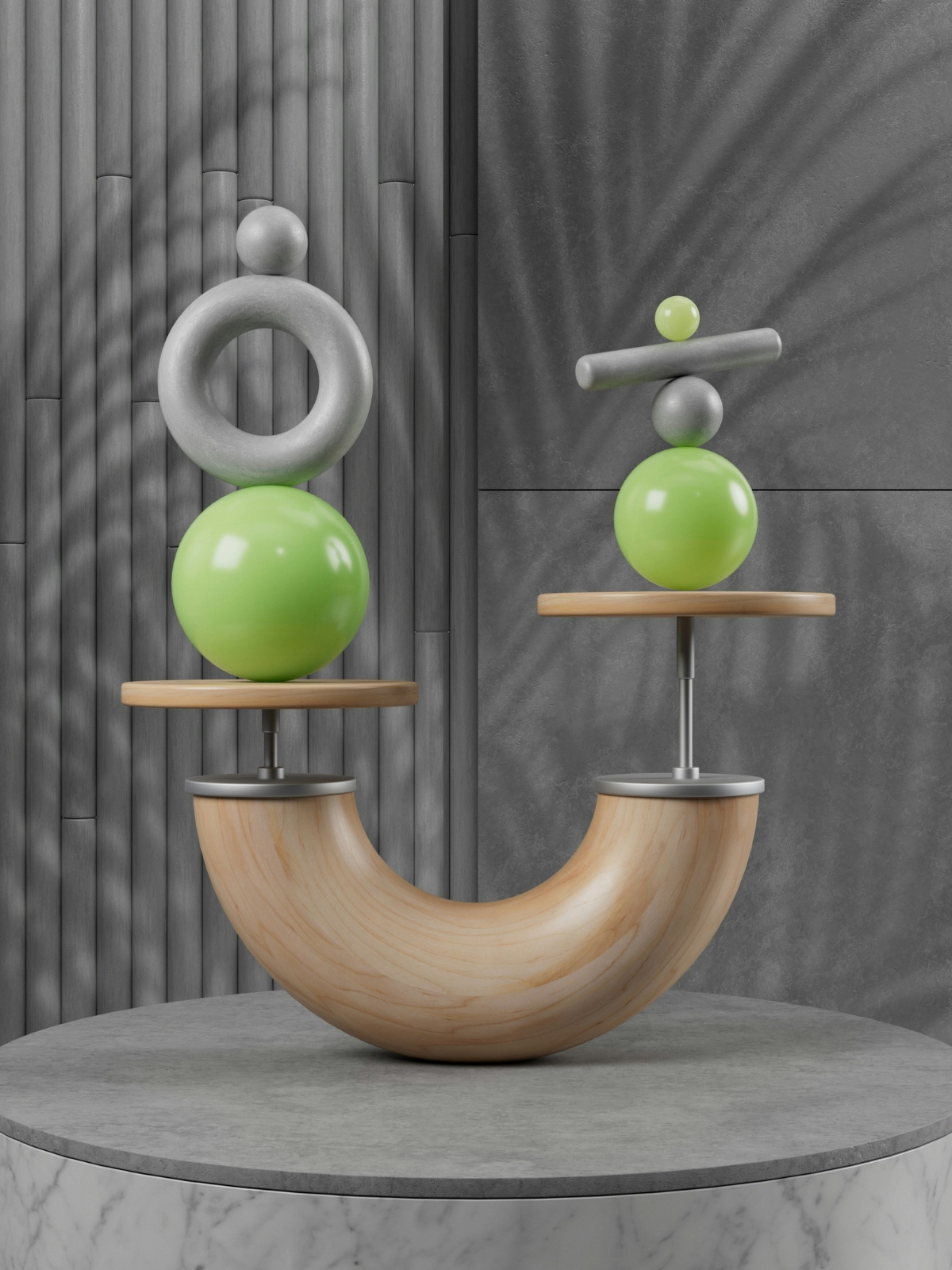
Even the most stylish mix can fall flat if the proportions are off. When combining furniture styles:
-
Keep scale in mind—pair a large sectional with substantial end tables rather than delicate ones.
-
Maintain visual balance—if one side of the room feels heavy with dark wood, balance it with lighter or metallic tones on the other.
-
Leave negative space—don’t overcrowd your layout; every piece should have room to breathe.
Mix Old and New for Depth
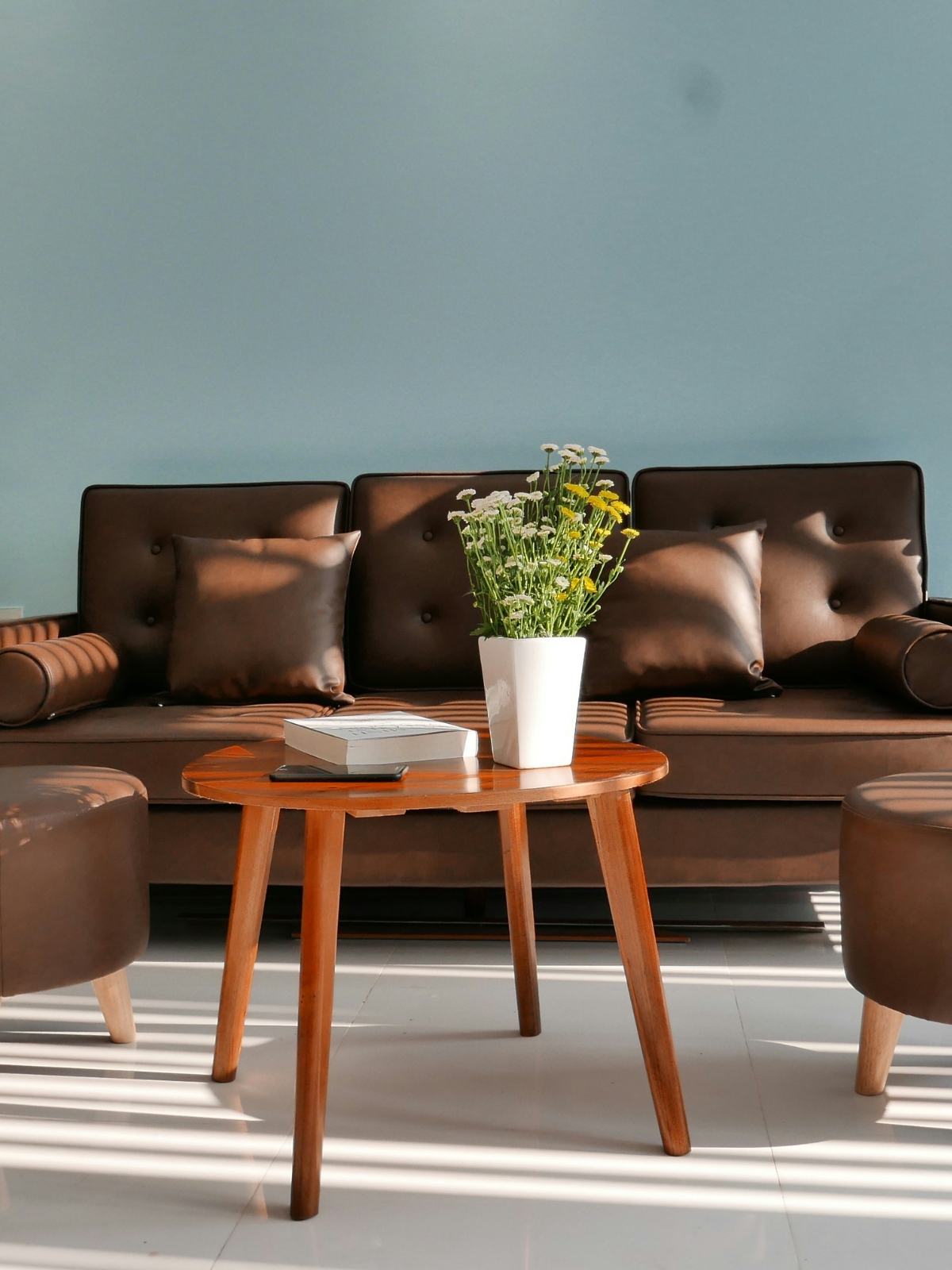
One of the easiest ways to mix styles is by combining vintage and modern furniture. Vintage pieces add character, while modern ones keep the space fresh.
For instance:
A mid-century modern sofa pairs beautifully with a rustic wooden coffee table and a contemporary area rug.
This blend tells a story and gives your home a lived-in, curated feel—something you can’t achieve with mass-produced furniture alone.
Use Lighting to Tie It All Together

Lighting plays a crucial role in unifying different furniture styles. The right fixture can bridge the gap between modern and traditional pieces while setting the mood of the room.
LED vs. Traditional Lighting: A Quick Comparison
| Feature | LED Lighting | Traditional (Incandescent) Lighting |
|---|---|---|
| Energy Efficiency | Highly efficient, saves up to 80% energy | Consumes more electricity |
| Lifespan | Up to 25,000 hours | Around 1,000 hours |
| Design Versatility | Available in various tones, brightness levels, and shapes | Limited in color temperature and design |
| Cost | Higher upfront cost, lower long-term expense | Cheaper initially, higher operating cost |
| Environmental Impact | Eco-friendly and recyclable | Contains harmful elements like tungsten |
Lighting Tip:
Use warm LED bulbs in classic fixtures to create a cozy, inviting atmosphere. This fusion of new technology and timeless design enhances your mixed-style space beautifully.
Common Design Challenges (and How to Solve Them)
Even experienced decorators face hurdles when mixing furniture styles. Here are some common issues and smart solutions:
Problem 1: The Room Feels Disjointed
Solution: Choose a cohesive color palette. Use rugs, throw pillows, or wall art to repeat colors across different pieces. This repetition creates flow and harmony.
Problem 2: Too Many Statement Pieces
Solution: Allow one or two items to shine. For example, if you have an ornate antique cabinet, keep the surrounding furniture simple and modern to avoid competition.
Problem 3: Lighting Doesn’t Match the Vibe
Solution: Combine layered lighting—ambient, task, and accent. A sleek floor lamp can modernize a traditional room, while a vintage chandelier can add charm to a contemporary space.
Problem 4: Mixing Wood Tones Looks Messy
Solution: Stick to one dominant wood tone and introduce one or two supporting tones that have similar undertones (warm, cool, or neutral).
Real-Life Tip: The “One Piece at a Time” Approach
When I redesigned my living room, I didn’t buy everything at once. I started with a neutral sofa (my base style), then slowly added accent chairs, side tables, and lighting from different styles. Over time, the room evolved organically—and felt more authentic.
Don’t rush the process. Allow your space to develop naturally as you find pieces that truly resonate with you.
Add Personality Through Accessories

Accessories—like rugs, cushions, vases, and wall art—are where you can experiment boldly. They’re easy to switch out and can instantly change the mood of a room.
Try layering textures and patterns from different eras:
-
A Moroccan rug with Scandinavian furniture
-
Abstract art above a vintage credenza
-
Metallic accents against natural wood
Small touches like these can tie everything together and elevate the overall look.
Edit and Simplify
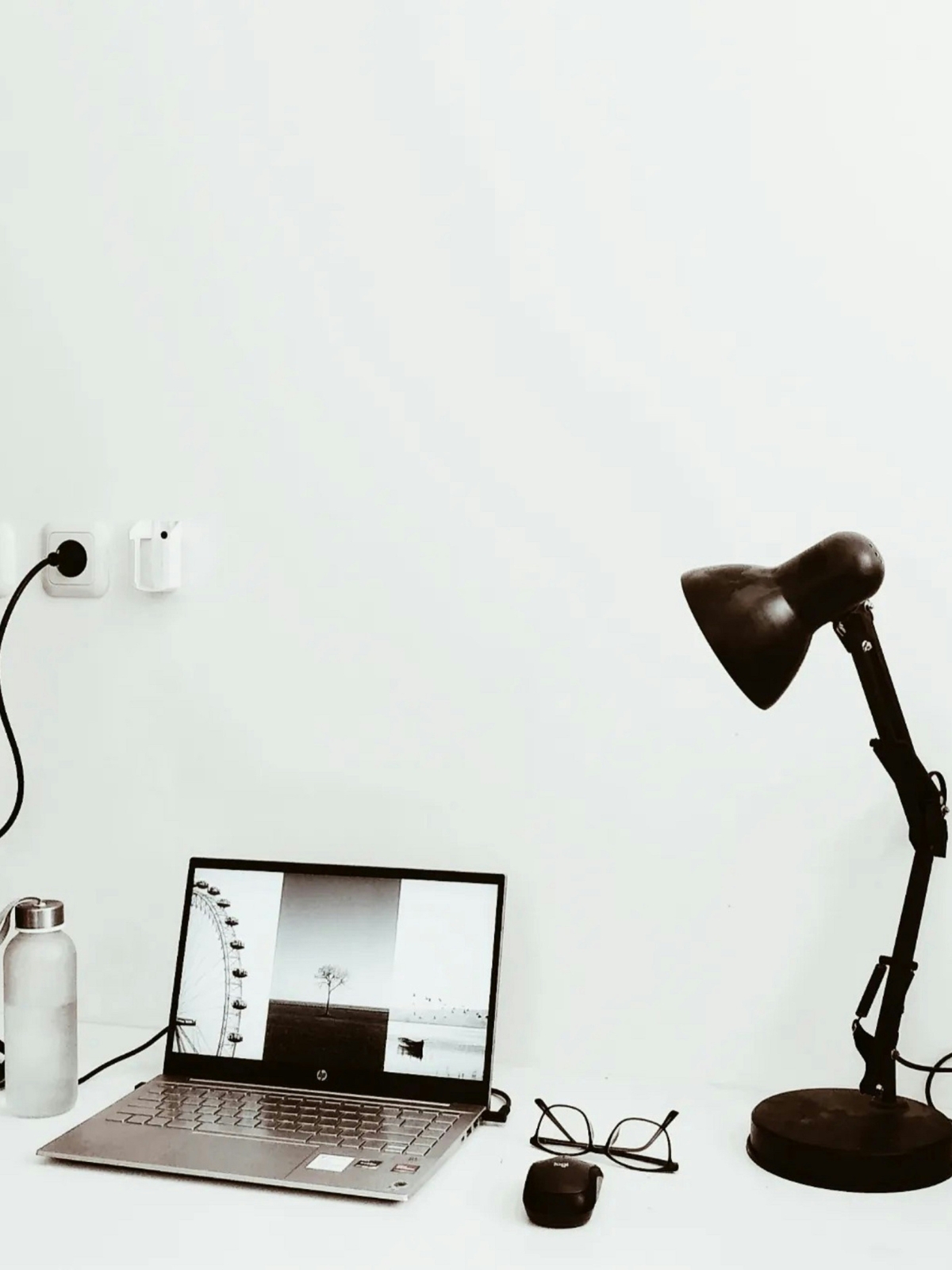
The final (and often overlooked) step is editing. Step back and assess your room. Does every piece serve a purpose or add beauty? If not, remove it. Mixing furniture styles is an art—but minimalism keeps it elegant and intentional.
Final Thoughts:
Learning how to mix and match furniture styles like a pro is about balance, connection, and confidence. By understanding the principles of proportion, unity, and lighting, you can create a space that’s both stylish and personal.
Remember, your home doesn’t have to follow one trend or era—it just has to reflect you.
Long-tail keywords used naturally:
-
How to mix and match furniture styles
-
mixing modern and vintage furniture
-
How to combine different furniture styles
-
interior design tips for cohesive home decor
-
choosing the right lighting for mixed-style interiors