
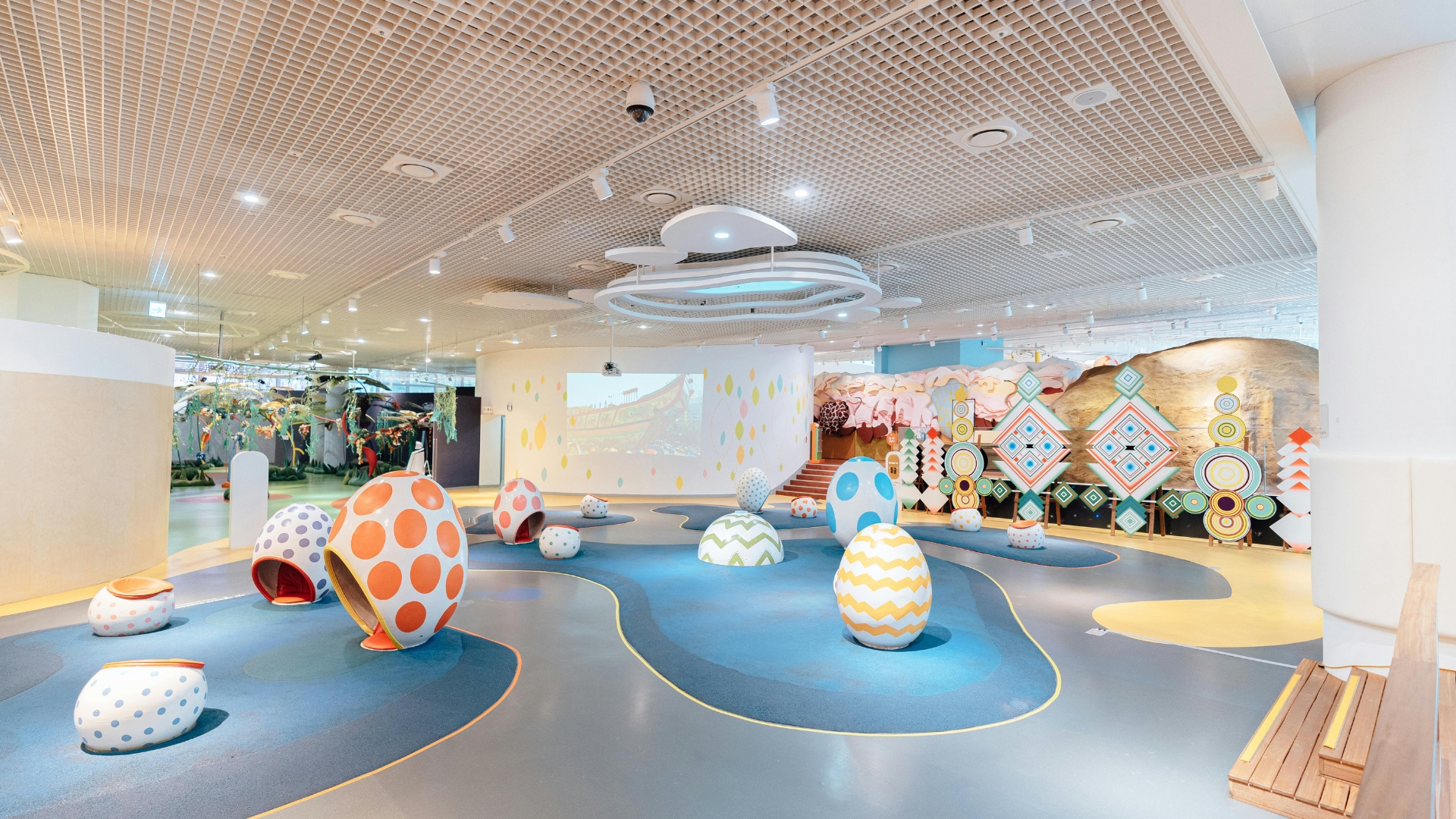

Introduction:
An imagination-driven kids’ room encourages creativity, play, and self-expression. With interactive decor, playful colors, and flexible spaces, you can create an environment where children feel inspired to learn, explore, and enjoy their everyday moments.
Why This Trend Matters Right Now
Kids’ rooms are no longer just about cute bedding and colorful walls. Today, parents want spaces that inspire creativity, encourage learning, and make children feel happy spending time in their own little world. That’s exactly why imagination-driven kids’ rooms with interactive decor have become one of the most loved home decor trends right now.
More families are realizing that a child’s room can be more than just a place to sleep. It can become a creative zone, a learning corner, a play studio, and even a safe retreat for quiet moments. As daily routines change and children spend more time indoors, designing rooms that support imagination feels more important than ever.
I’ve personally seen this shift happen in so many homes. Parents are choosing thoughtful decor that helps kids explore, create, and express themselves. Instead of focusing only on how a room looks, the focus has moved toward how it feels and how it functions.
What makes this trend so special is that it works for both small and large homes. You don’t need a big budget or a separate playroom. With the right interactive elements, even a small bedroom can turn into a magical space full of creativity and comfort.
What Is an Imagination-Driven Kids’ Room?
An imagination-drivenkids’s room is designed to encourage curiosity, creativity, and interaction. Every element in the room has a purpose beyond decoration. The space invites children to touch, explore, build, and dream.
Interactive decor plays a big role here. Instead of static items that just sit in the background, these pieces become part of daily play and learning.
Think about walls where kids can draw freely. Picture reading corners that feel like tiny hideaways. Imagine furniture that doubles as storage and play areas. These thoughtful details help the room come alive.
This trend is popular for several reasons.
First, it supports creative development. Children naturally learn through play, so a room that encourages movement and imagination becomes a powerful tool.
Second, it creates emotional comfort. When kids feel connected to their space, they feel safe and confident.
Third, it helps keep things organized. Interactive decor often includes smart storage solutions that make cleaning easier.
Most importantly, these rooms grow with the child. You can adjust themes, add new elements, and change details without doing a full redesign every year.
Creating an Interactive Kids Room at Home
Designing a creative and interactive space may sound overwhelming at first. However, once you break it down into simple steps, the process becomes fun and manageable.
Start with a Story, Not Just a Theme
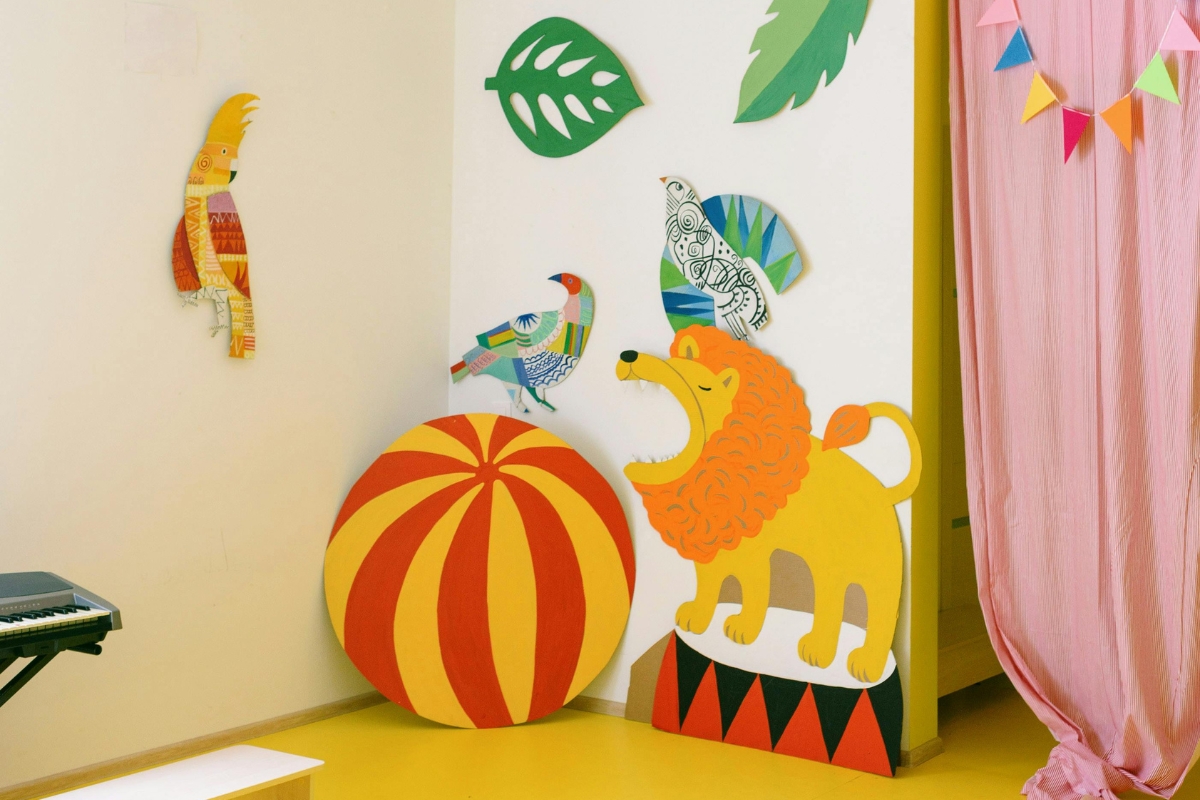
Instead of picking a basic theme like “blue room” or “pink room,” think about what inspires your child.
Do they love space adventures? Are they fascinated by animals? Do they enjoy drawing and crafts? Let their interests guide the design.
For example, a nature-inspired room can include soft greens, leaf prints, and wooden textures. A travel-inspired space might have a world map, small globes, and adventure-style decor. An art-loving child might enjoy a mini creative studio corner.
The goal is to create a room that sparks imagination without looking too busy.
Divide the Room into Activity Zones
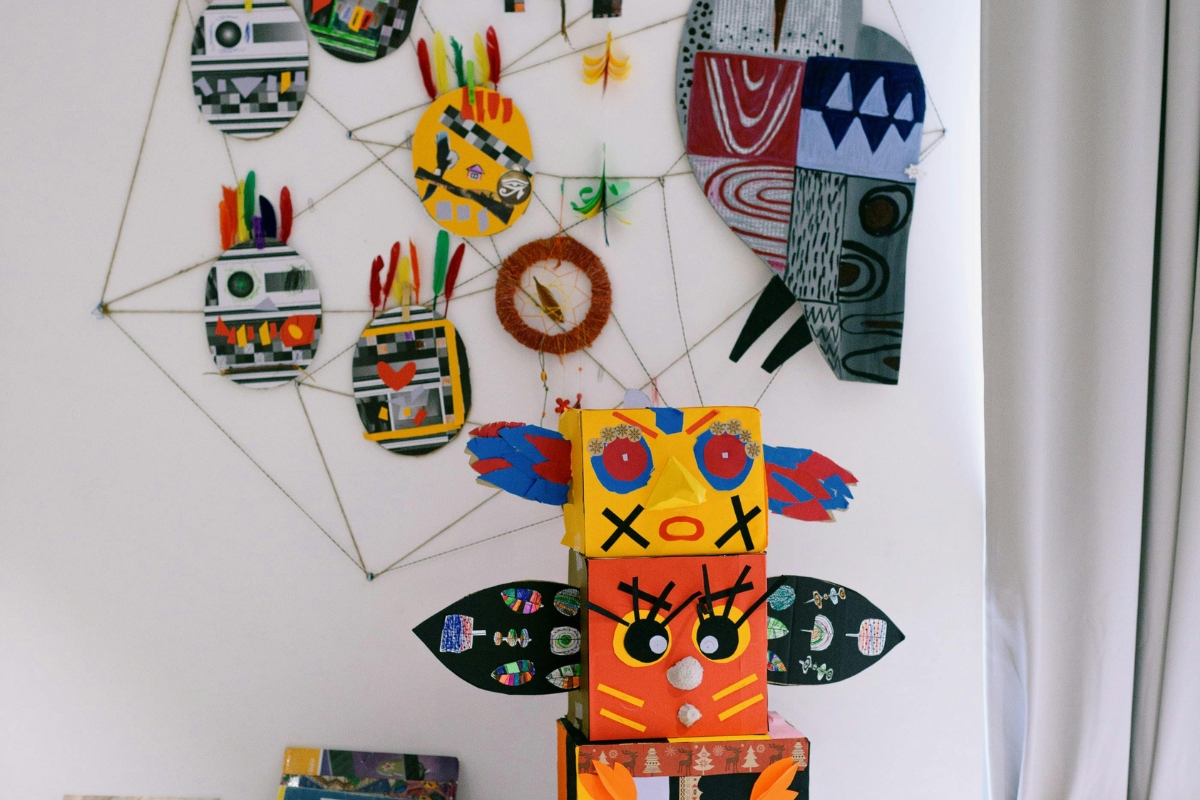
One of the easiest ways to make a room interactive is by creating small zones for different activities. This approach works especially well for both small and large spaces.
You can include:
-
A reading corner with soft cushions and warm lighting
-
A play zone with open floor space
-
A creativity table for drawing or crafts
-
A quiet corner for relaxing
Even a small rug or a shelf can help define these areas. Children naturally move between activities, so having different zones keeps them engaged.
Use Walls as Creative Surfaces
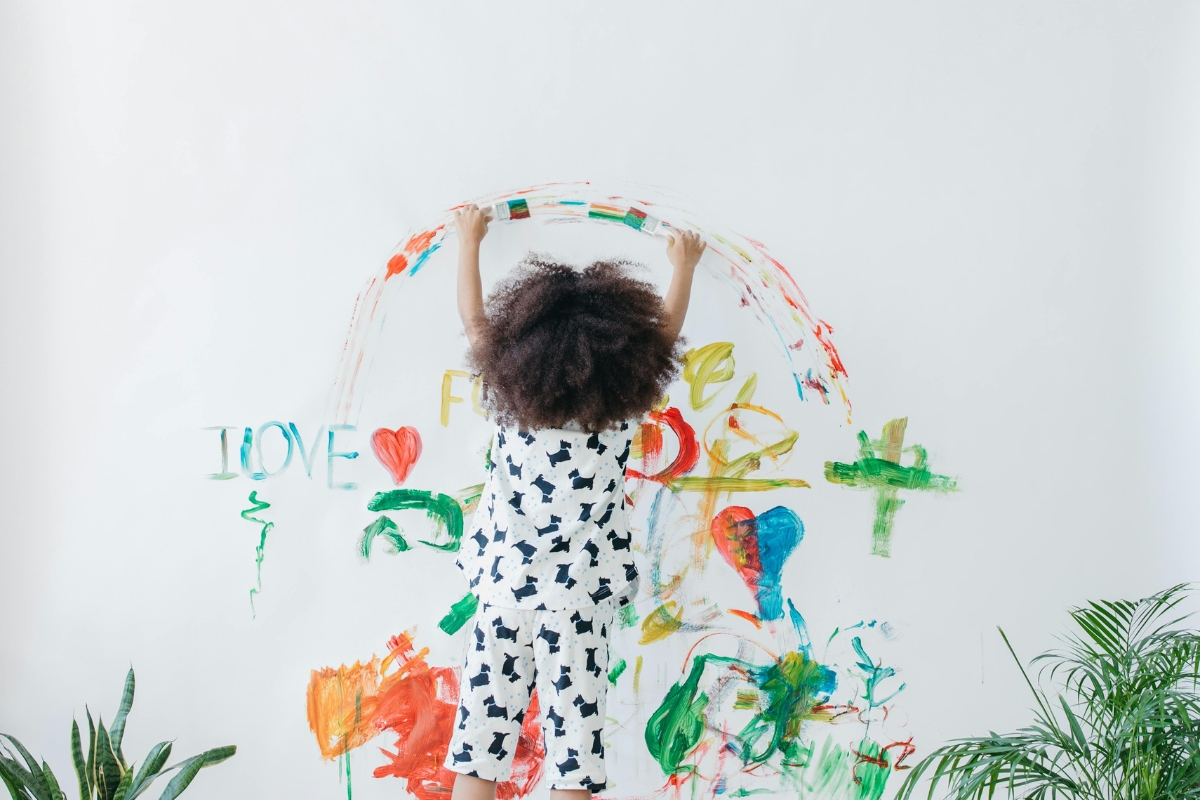
Walls are often underused in kids’ rooms. Turning them into interactive features can make a huge difference.
You might consider:
-
Chalkboard paint for drawing and writing
-
Magnetic boards for letters and learning games
-
Corkboards for displaying artwork
-
Wall decals that can be moved and changed
These simple ideas allow kids to shape their environment and feel involved in the space.
Choose Furniture That Encourages Play
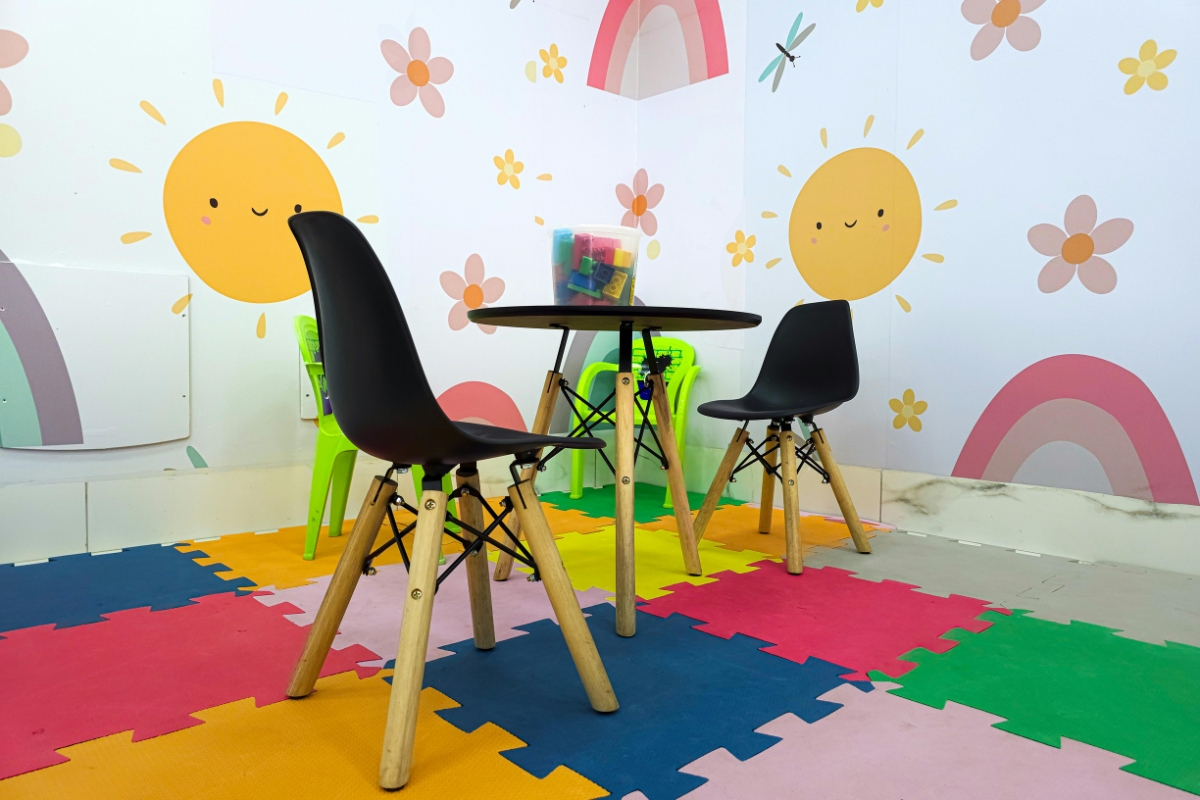
Instead of filling the room with heavy or decorative furniture, focus on pieces that are flexible and useful.
Look for:
-
Storage beds with drawers
-
Low shelves that kids can reach
-
Toy chests that double as seating
-
Small tables for creative activities
Furniture that supports independence helps kids feel more confident and comfortable.
Add Cozy and Sensory Elements
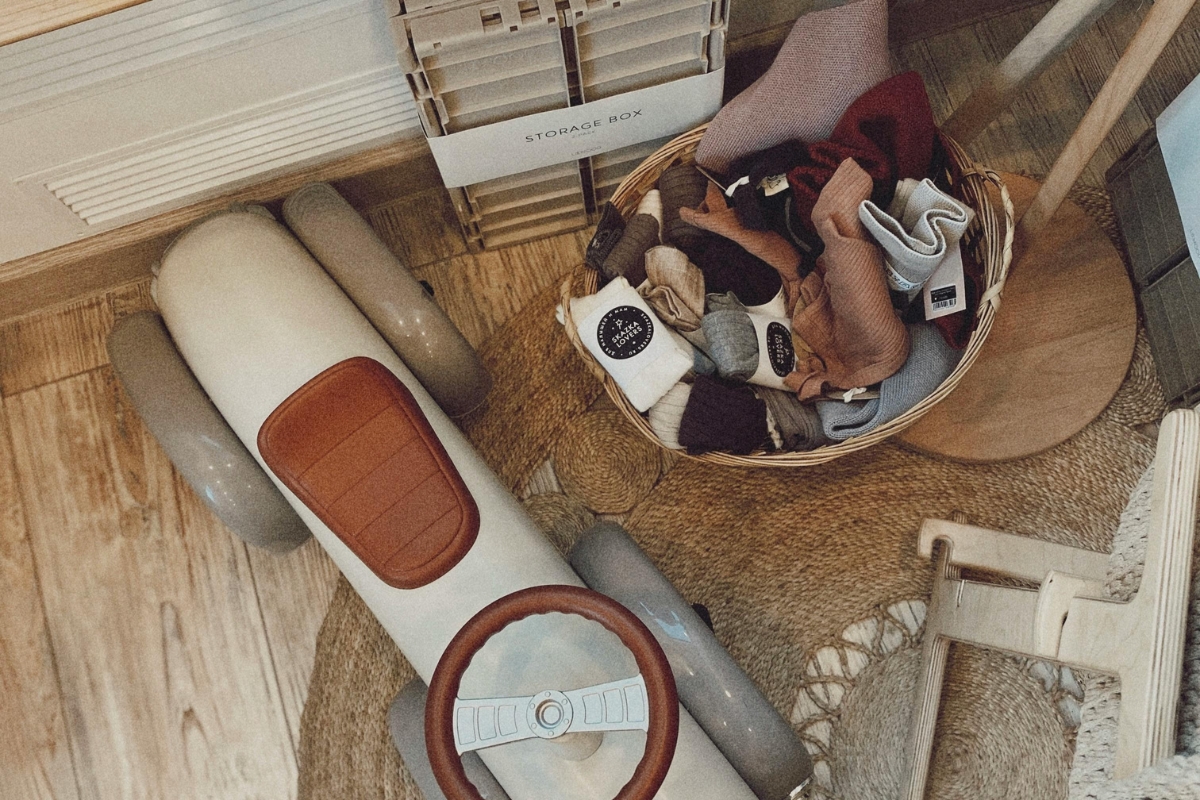
Soft textures bring warmth and comfort into the room. They also make the space feel inviting and calm.
You can include:
-
Layered rugs for softness
-
Floor cushions for relaxed seating
-
Tents or canopies for a magical feel
-
Warm lighting for a peaceful atmosphere
These details create little pockets of comfort where kids can read, relax, or imagine stories.
Budget-Friendly and DIY Ideas That Make a Big Impact
You don’t need expensive decor to create a beautiful and creative kids’ room. In fact, some of the most charming ideas come from simple DIY projects.
Create a Chalkboard Corner
A small section of chalkboard paint can instantly turn a wall into an interactive space. Kids can draw, practice writing, or play games. It’s affordable and easy to update.
Display Your Child’s Artwork
Instead of buying costly wall art, create a gallery wall using your child’s drawings. Use simple frames, clipboards, or strings with clips. Rotating the art keeps the room fresh and personal.
Build a Cozy Reading Nook
You can create a reading corner with:
-
A soft rug
-
A few pillows
-
A basket of books
-
A small lamp
This setup doesn’t require much space, yet it adds warmth and purpose to the room.
Rotate Toys Regularly
Too many toys at once can feel overwhelming. Store some away and switch them every few weeks. This makes the room feel new and exciting without buying anything extra.
Repurpose Old Furniture
An old bookshelf can become a toy display. A small table can turn into an art station. A storage box can become a bench with a cushion on top. Simple changes can completely refresh the room.
Common Mistakes and How to Avoid Them
While designing an imagination-drivekids’ds room, it’s easy to get carried away. Keeping a few things in mind can help you avoid common styling mistakes.
Using Too Many Bright Colors
Bright colors are fun, but too many can make the room feel overwhelming. Try balancing bold tones with neutral shades to create a calm environment.
Overcrowding the Space
Filling every corner with decor can limit movement. Kids need space to play freely, so leaving some open floor area is important.
Focusing Only on Looks
A beautiful room is lovely, but it should also be practical. If everything is too delicate or out of reach, kids won’t feel comfortable using the space.
Ignoring Storage Needs
Without proper storage, clutter builds up quickly. Use baskets, bins, and shelves to keep toys and books organized.
Designing Only for a Certain Age
Children grow fast, and their interests change. Choose flexible decor that can evolve with time instead of very specific, short-term themes.
Final Thoughts: Creating a Space Full of Joy and Imagination
An imagination-drivkids’ids room is more than a trend. It’s a thoughtful way to design a space that supports creativity, comfort, and happiness.
You don’t need to create a perfect, picture-ready room overnight. Start small and build slowly. Add one interactive feature at a time. Pay attention to what your child enjoys most, then adjust the space to match their interests.
The most beautiful kids’ rooms are not the ones that look perfect all the time. They are the ones filled with laughter, storytelling, creativity, and little everyday moments.
With a few smart ideas, some cozy textures, and a bit of imagination, you can create a room that feels magical, personal, and full of life. A space where your child can dream, learn, and grow every single day.
And honestly, those are the spaces that make a home feel truly warm and special.
Author’s Note:
A child’s room should be more than just a place to sleep—it should spark curiosity and creativity. Thoughtful, interactive design can turn everyday spaces into little worlds where imagination grows naturally.