

Introduction:
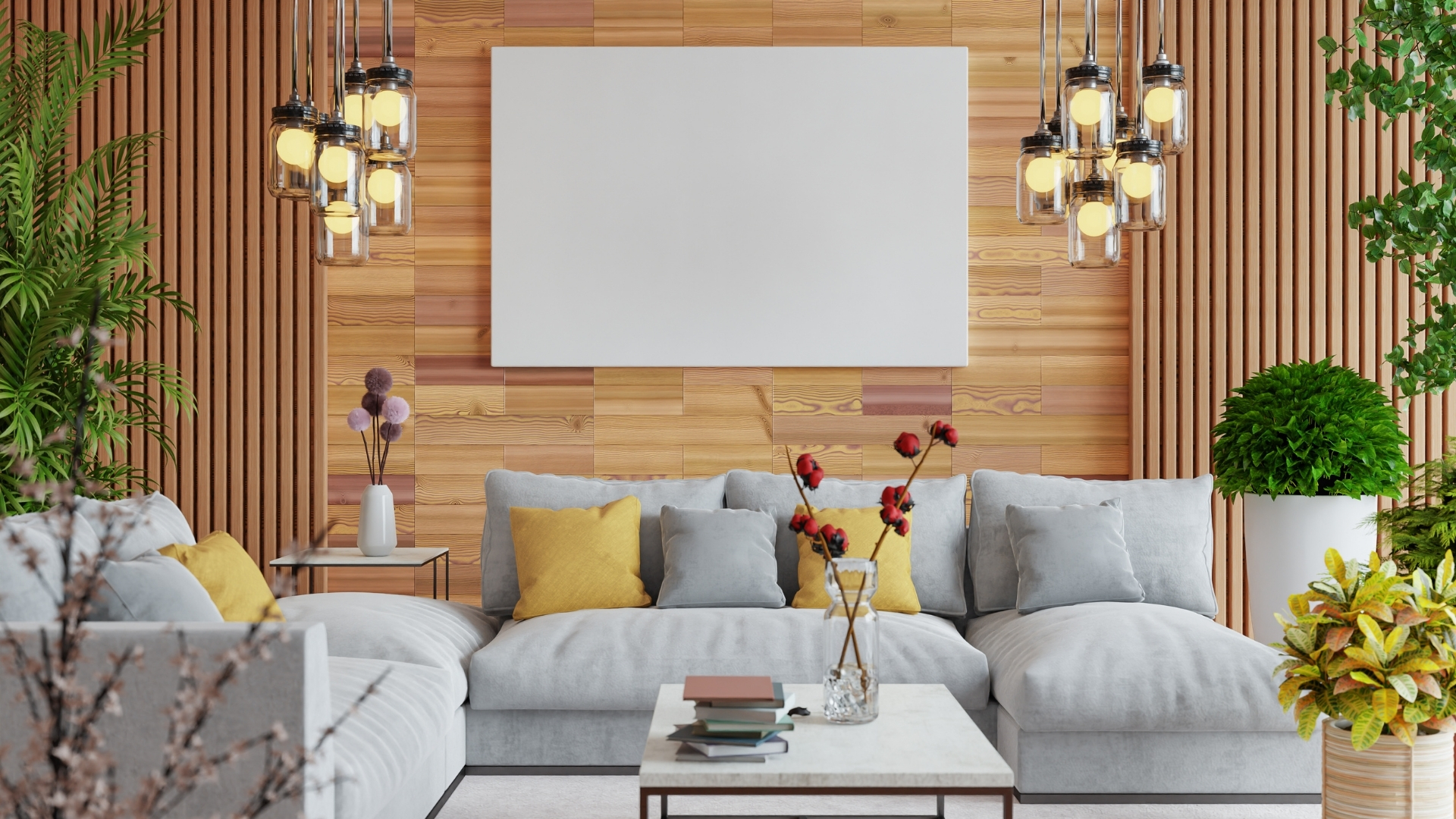
Lighting has moved beyond its basic function and is now a key design element in modern interiors. Statement lights—whether bold pendants, sculptural chandeliers, or artistic wall fixtures—are being used to define spaces and express personal style. These eye-catching pieces not only illuminate a room but also act as focal points that add character, depth, and elegance to any home.
If you’ve ever walked into a room and felt instantly wowed by how it looks and feels, chances are it wasn’t just the furniture or paint—it was the lighting. Lighting has evolved far beyond functional necessity; in modern interiors, it’s art, sculpture, and mood all rolled into one. One of the most exciting trends for 2026 is using statement lights as the centerpiece of a room. These aren’t just bulbs; they’re conversation starters, style-makers, and even space-definers.
In this post, I’ll break down why statement lighting is trending, how you can use it in your home, offer budget-friendly tips, provide DIY ideas, discuss common mistakes, and offer gentle inspiration to transform your space without feeling overwhelmed.
Why Statement Lighting Is a Big Deal Right Now
Statement lighting has surged in popularity because it combines form and function in a way that resonates with today’s home decor trends:
-
Social media influence: Platforms like Pinterest and Instagram have shown how a striking chandelier or sculptural pendant can instantly elevate a room’s aesthetic.
-
Smarter homes: With smart lighting and LED tech, designers are experimenting with shapes, colors, and layering that was harder to achieve before.
-
Open-concept living: In large open spaces, statement lights can define zones without walls, acting as visual anchors.
-
Desire for personalization: People are seeking decor that reflects personality. Unique, eye-catching lighting makes a bold statement while staying functional.
Simply put, statement lights are no longer just practical—they’re a form of self-expression.
What Makes a Statement Light
Before you start shopping, it helps to know what defines a statement light:
-
Size & Scale: Oversized pendants or chandeliers instantly draw the eye.
-
Shape & Design: Sculptural, geometric, or unusual forms create visual interest.
-
Material & Finish: Metal, glass, rattan, and natural textures all add depth.
-
Placement: A statement light should have space to shine—usually centered over a table, island, or seating area.
Statement lights can appear anywhere: dining rooms, kitchens, bedrooms, entryways, or even bathrooms. The key is to balance drama with proportion so the fixture complements the space rather than overpowering it.
How to Use Statement Lighting in Your Home
Here’s a practical guide to incorporating statement lights without feeling intimidated:
Choose Your Focal Point
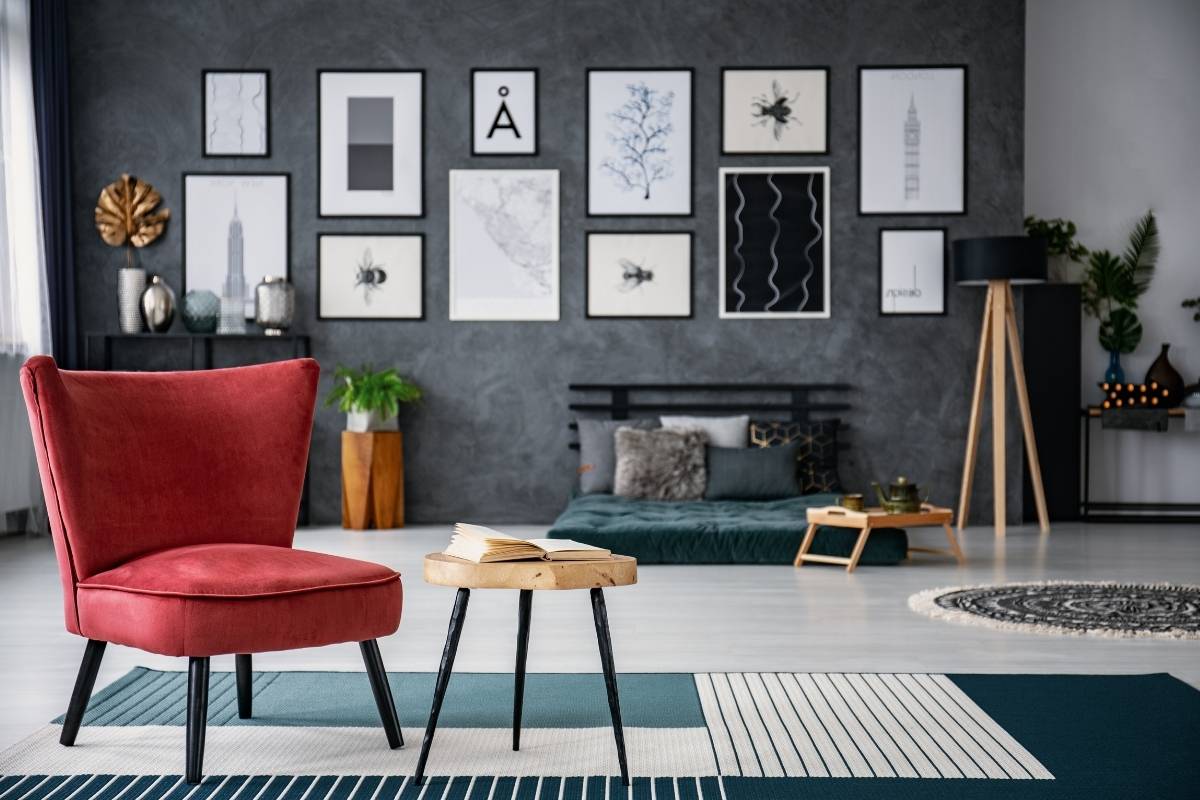
Decide where you want the eye to naturally land. Examples:
-
Over a dining table
-
Centered in a living room
-
Above a kitchen island
-
In an entryway for instant wow factor
Think of your statement as light as art in motion—it should enhance the room’s flow.
Consider Proportion

Size matters. A good rule of thumb:
-
Width of fixture = 1/2 to 2/3 the width of the table or furniture underneath
-
Height = hang pendants about 30 inches above tables or 7 feet from the floor if in open areas
This ensures your statement piece feels balanced instead of dominating or cramped.
Layer Your Lighting
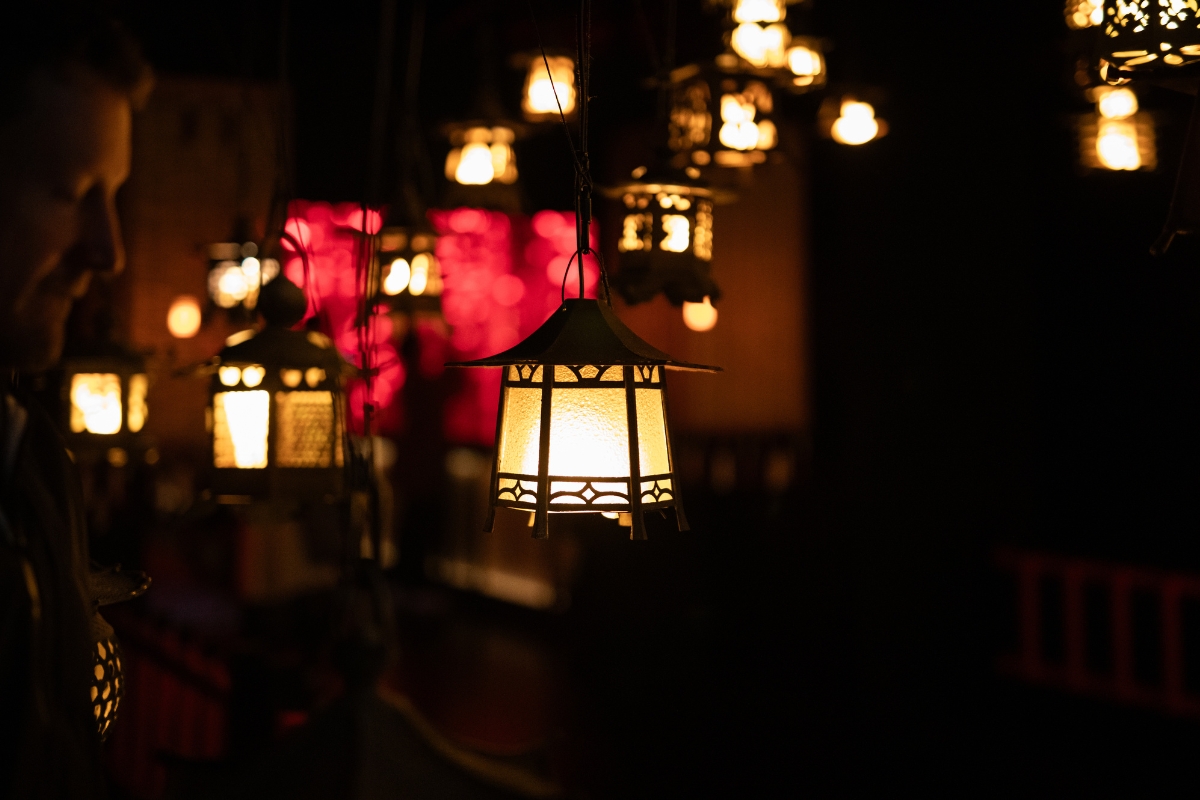
Even the most stunning fixture needs support:
-
Ambient lighting: Ceiling lights, recessed lights, or wall sconces to evenly illuminate the space
-
Task lighting: Under-cabinet LEDs in kitchens or bedside lamps in bedrooms
-
Accent lighting: Highlighting artwork, shelves, or architectural features
Layering prevents the room from being “spotlit” and creates a warm, inviting vibe.
Match Your Style

Statement lighting doesn’t have to clash with your décor. Choose a fixture that complements:
-
Modern spaces → geometric or metallic designs
-
Rustic interiors → rattan or wood pendants
-
Minimalist spaces → sculptural or linear fixtures
-
Eclectic homes → colorful, playful, or asymmetrical pieces
The right fixture reinforces your aesthetic rather than competing with it.
Budget-Friendly & DIY Ideas
You don’t need a six-figure budget to achieve statement lighting:
Oversized Pendant Alternatives
Instead of a huge chandelier, try grouping smaller pendants in a cluster. It creates drama at a fraction of the cost.
Thrifted & Upcycled Finds
Vintage shops and flea markets often have unique chandeliers or pendant bases that you can spray paint or refinish for a modern look.
DIY Sculptural Fixtures
-
Create a geometric pendant using copper pipes and LED bulbs.
-
Hang paper lanterns in tiers for a soft, artistic look.
-
Wrap old chandeliers with rope or macramé for a boho twist.
Smart LED Bulbs
Even a simple fixture can become a statement with color-changing LED bulbs. Switch from warm white to amber for cozy evenings or bold colors for a playful vibe.
Accent With Mirrors
Place mirrors near your fixture to amplify its visual impact—double the wow without doubling the cost.
Common Mistakes to Avoid
When using statement lights, beginners often stumble on a few things:
Choosing the wrong scale – Too small and it disappears; too big and it overwhelms.
Ignoring proportion & height – Hanging too low can hit heads, too high,gh, and it loses impact.
Clashing styles – A highly ornate chandelier in a minimalist room can feel awkward.
Neglecting layers – One statement piece isn’t enough; complement it with ambient or task lighting.
Poor placement – Centering a light in a corner or off the focal point can reduce its drama.
Remember: statement lights should enhance, not dominate, the room.
Styling Tips for Maximum Impact
-
Mix materials: Combine metal, glass, wood, or natural fibers for texture.
-
Play with scale: Mix a large fixture with smaller lamps to maintain balance.
-
Create symmetry: Two pendant lights on either side of a table can feel just as dramatic as one large chandelier.
-
Highlight architectural features: Use your fixture to accent ceilings, beams, or alcoves.
-
Mind color temperature: Warm bulbs feel cozy; cooler bulbs feel crisp and modern.
Why This Trend Works So Well in 2026
Statement lighting is more than decorative — it’s transformative:
-
Makes small spaces feel elevated and intentional.
-
Brings personality without heavy furniture or expensive renovations.
-
Works with smart lighting for functional and aesthetic layering.
-
Feels fresh on social media, making rooms Pinterest-worthy without looking staged.
In 2026, interiors are all about personal expression, comfort, and intentional design, and statement lighting hits all three perfectly.
Final Thoughts & Gentle Inspiration
Statement lighting is the easiest way to turn an ordinary room into a design destination. You don’t have to be an interior designer or spend a fortune. Start small with a single pendant or cluster, experiment with materials and heights, and layer other lighting around it for depth.
Think of it as wearing jewelry in your home: one beautiful piece can elevate everything else. By adding sculptural, eye-catching, and functional lighting, you’re not just illuminating your space—you’re telling a story, creating ambiance, and making your home uniquely yours.
Even a DIY upgrade or a carefully chosen thrifted chandelier can make a room feel like it belongs in a magazine. Layer, balance, and don’t be afraid to let your personality shine—because in modern interiors, lighting isn’t just functional, it’s art.
Author’s Note
Lighting has always fascinated me as more than just a practical necessity; it has the power to shape the mood and personality of a space. While working on interior themes, I’ve noticed how a single statement light can completely change the feel of a room without major redesign. It draws attention, adds warmth, and often becomes a conversation starter. Even in simple homes, a well-chosen fixture can create a sense of style and intention. This topic highlights how lighting can be both functional and expressive. I hope it inspires you to see lighting not just as an accessory, but as a design feature that brings character to your space.