
How to Use Rugs to Define Spaces in Open-Plan Homes | Smart Layout Ideas
Learn how to use rugs to define spaces in open-plan homes with practical tips, real-life examples, and expert layout ideas for stylish, functional living.
Comparison Overview: Rugs vs. Other Space-Defining Tools
| Method | Pros | Cons | Best For |
|---|---|---|---|
| Area Rugs | Flexible, affordable, stylish, and improves acoustics | Needs correct sizing and placement | Living/dining zones, rentals |
| Furniture Placement | Clear boundaries, functional | Can feel bulky | Large open spaces |
| Room Dividers | Strong visual separation | Reduces openness | Work-from-home zones |
| Lighting Zones | Subtle definition, cozy ambiance | Less obvious separation | Evening use |
| Flooring Changes | Permanent, high-end look | Expensive, irreversible | Renovations |
Rugs stand out because they offer instant zoning without construction or commitment—perfect for modern open-plan living.
Problem-Solving: Common Open-Plan Challenges (and Rug Solutions)
Challenge 1: Spaces Feel Undefined
Solution: Use large area rugs to anchor each function—one for lounging, another under the dining table. This visually separates areas while keeping flow.
Challenge 2: Room Feels Smaller or Cluttered
Solution: Choose rugs with light colors or subtle patterns and ensure furniture legs sit on the rug to create cohesion rather than fragmentation.
Challenge 3: Noise and Echo
Solution: Plush or layered rugs absorb sound, making open-plan homes quieter and more comfortable.
Challenge 4: Mismatched Decor Styles
Solution: Use rugs as a unifying element by repeating colors or textures across zones.
How to Use Rugs to Define Spaces in Open-Plan Homes
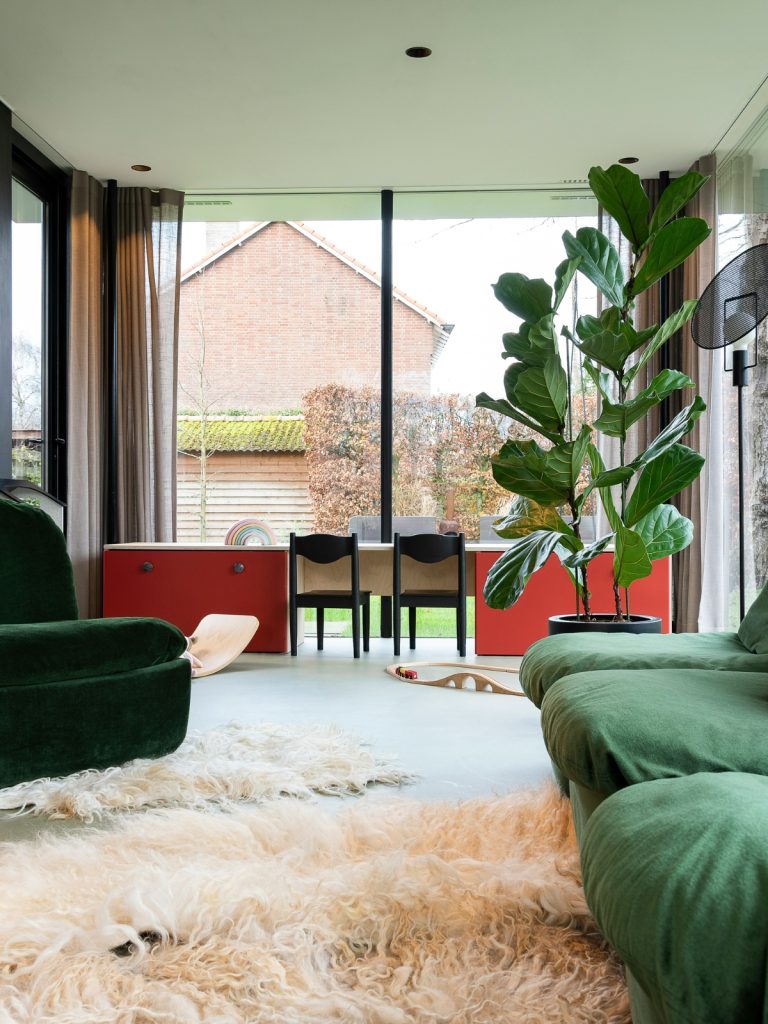
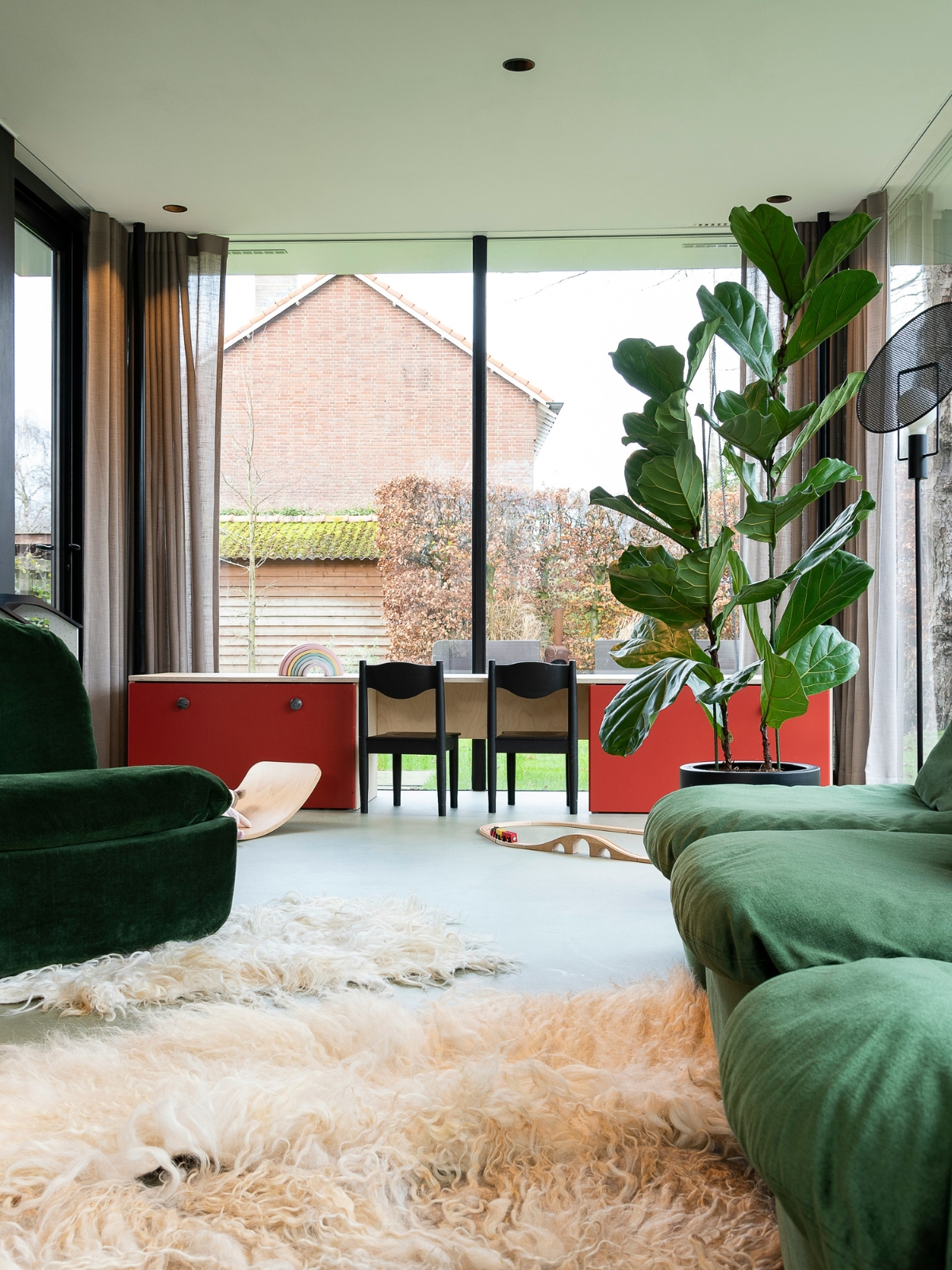
Open-plan homes are loved for their airy feel and flexibility, but they can also be tricky to decorate. Without walls, it’s easy for living, dining, and working areas to blur together. One of the most effective—and stylish—solutions is using rugs to define spaces in open-plan homes.
I learned this firsthand when I moved into a loft-style apartment. Everything happened in one large room: relaxing, eating, even working. Once I placed a rug under the sofa area, the room suddenly made sense. Rugs don’t just sit on the floor—they quietly organize your life.
Why Rugs Work So Well in Open-Plan Layouts
Rugs act as visual anchors. They tell the eye where one zone ends and another begins, without blocking light or movement. According to Wikipedia’s overview of interior design, spatial definition is a key principle in creating a functional living environment, and rugs are one of the easiest ways to achieve it.
Long-tail keywords like using area rugs to define living spaces or best rug placement for open-plan homes aren’t just search-friendly—they reflect real design needs.
Choosing the Right Rug Size for Each Zone
Living Area Rugs
A common mistake is choosing a rug that’s too small. In open-plan homes, bigger is usually better. Ideally, the front legs of your sofa and chairs should rest on the rug. This creates a contained “island” for conversation.
Real-life tip: I once tried a smaller rug to save money, but it made the seating area feel disconnected. Upgrading to a larger rug instantly fixed the issue.
Dining Area Rugs
For dining zones, the rug should extend at least 24 inches beyond the table on all sides. This ensures chairs stay on the rug even when pulled out.
Look for low-pile or flatweave rugs—they’re easier to clean and practical for everyday meals. The Spruce offers helpful guidance on dining room rug sizing and care: https://www.thespruce.com.
Home Office or Reading Nooks
In open-plan homes with work-from-home needs, a distinct rug under a desk or reading chair helps mentally separate work from relaxation.
Using Rug Styles and Patterns to Create Flow
Color Coordination
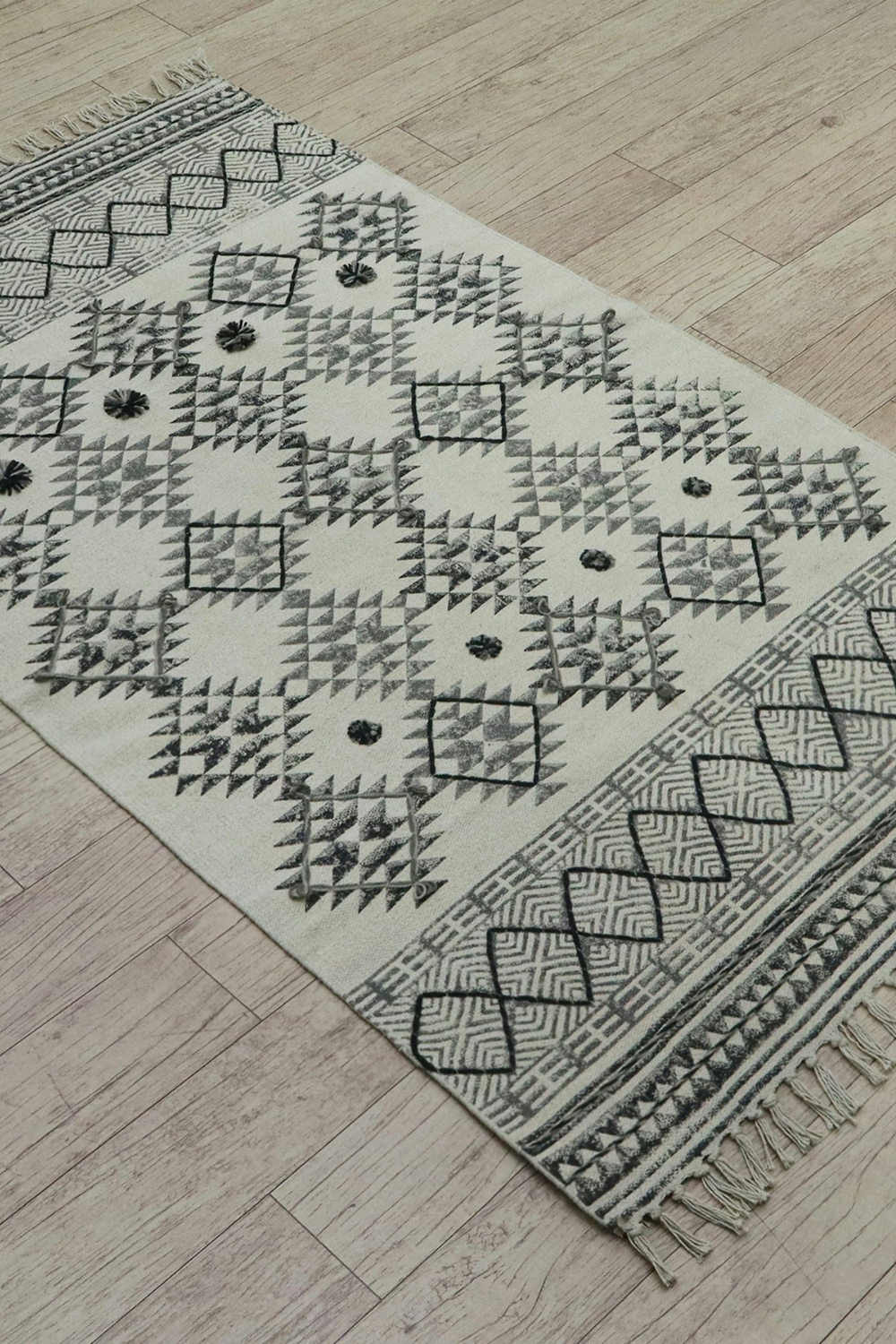
When defining multiple spaces, rugs don’t need to match—but they should relate. Choose a shared color palette so the home feels cohesive rather than chopped up.
For example, a neutral rug in the living area and a patterned rug in the dining space can work beautifully if they share similar tones.
Patterns vs. Solids
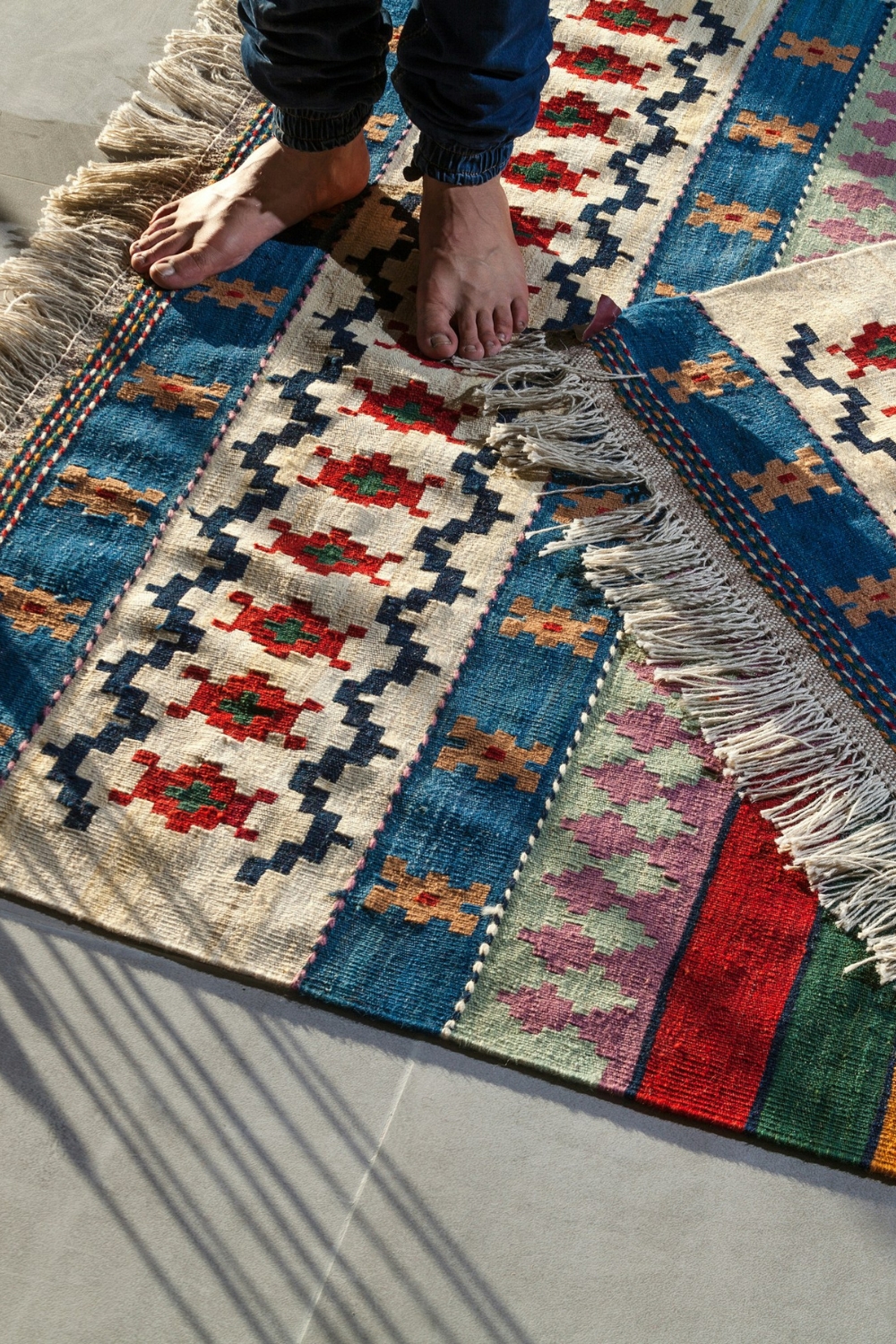
- Bold patterns draw attention and clearly mark a zone.
- Solid or textured rugs are calming and ideal for larger areas.
Interior design experts at Architectural Digest often recommend mixing patterns thoughtfully to maintain harmony: https://www.architecturaldigest.com.
Layering Rugs for Flexible Spaces
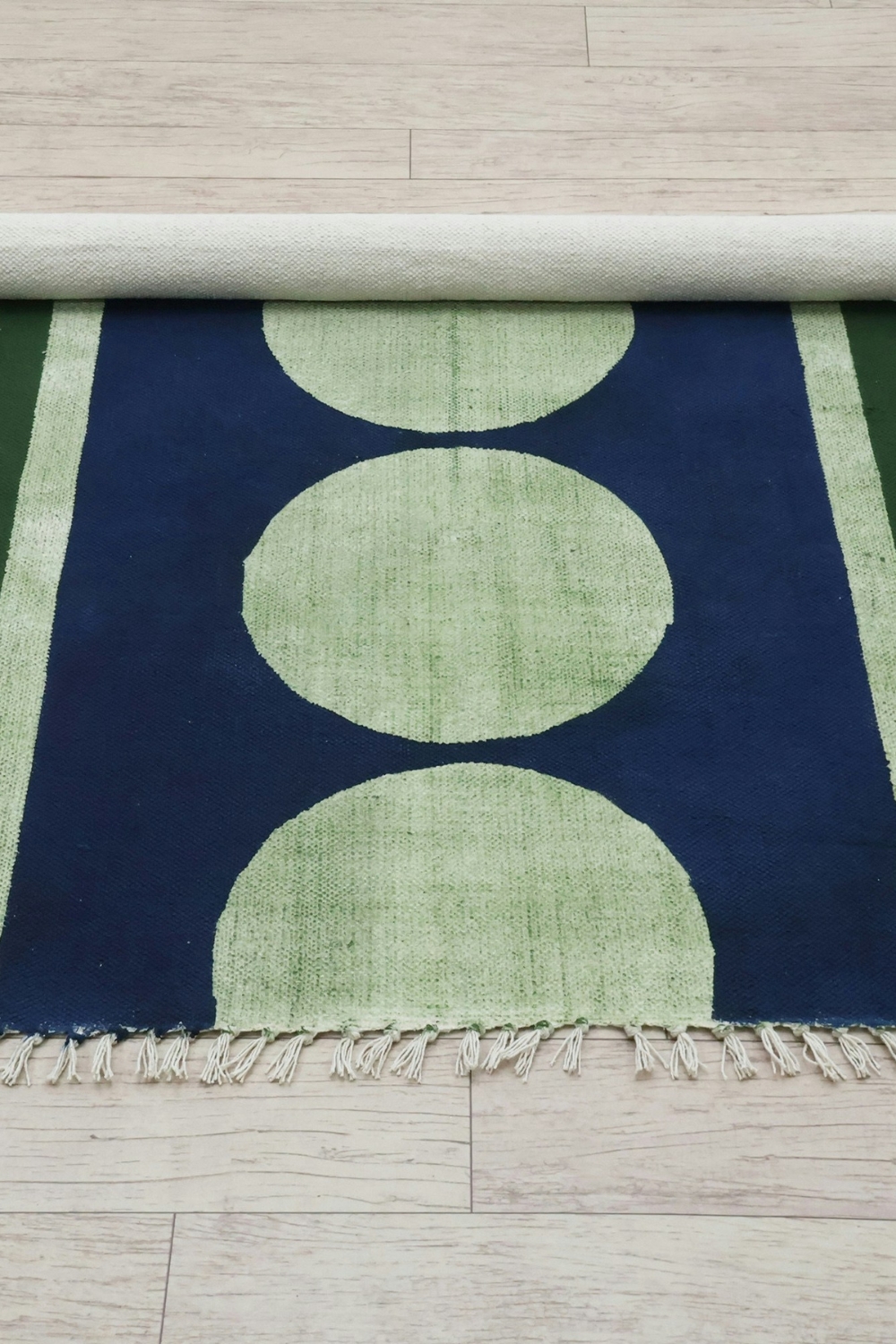
Layering is a favorite trick among designers. Place a large neutral rug as a base, then layer a smaller, more expressive rug on top to highlight a specific function.
This approach works especially well in rental homes where permanent changes aren’t allowed. It also adds depth and personality without overwhelming the space.
Material Matters: Comfort Meets Function
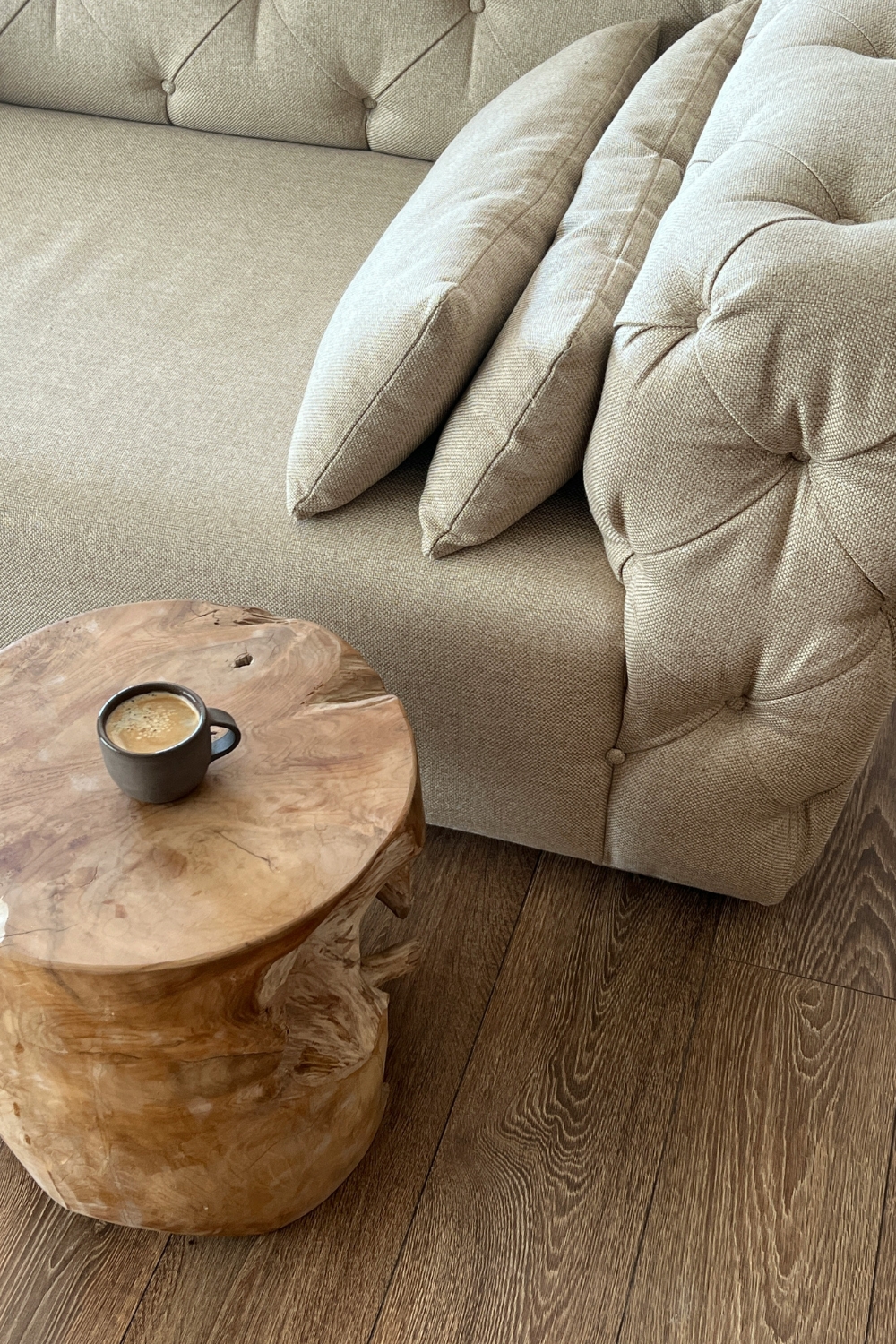
Different zones call for different rug materials:
- Wool: Durable, cozy, great for living areas
- Jute or Sisal: Natural look, ideal for dining or entry zones
- Cotton: Lightweight and washable, perfect for casual spaces
- Synthetic fibers: Budget-friendly and stain-resistant
Consumer guides from Good Housekeeping emphasize choosing rug materials based on lifestyle and foot traffic: https://www.goodhousekeeping.com.
Placement Rules That Make a Big Difference

Align with Furniture, Not Walls
In open-plan homes, rugs should align with furniture groupings rather than the room’s perimeter. This reinforces zoning.
Leave Breathing Room
Avoid pushing rugs right up against walls. A few inches of exposed floor help each zone feel intentional.
Mind the Walkways
Ensure rugs don’t interrupt natural walking paths. Smooth transitions keep the layout comfortable and safe.
Personal Lessons from Open-Plan Living

After years of rearranging furniture, I’ve found that rugs are the easiest way to “reset” a space. When seasons change or life shifts, swapping or repositioning a rug can refresh the entire home—no heavy lifting required.
Friends often comment on how organized my open-plan space feels, even though nothing structural separates the areas. The secret is always underfoot.
Final Thoughts: Let Rugs Do the Heavy Lifting
Using rugs to define spaces in open-plan homes is both an art and a practical solution. With the right size, style, and placement, rugs create clarity, comfort, and character—without sacrificing openness.
Whether you’re decorating a compact apartment or a sprawling modern home, think of rugs as quiet architects. They guide movement, frame moments, and make open spaces feel like home.
Author’s Creative Note
I’ve always believed that homes tell stories—not through walls alone, but through the details we choose. Rugs, to me, are like punctuation marks in an open-plan sentence. They pause, emphasize, and connect ideas without interrupting the flow. Writing about them feels personal because I’ve watched a single rug turn chaos into calm more than once. This article was shaped by real rearrangements, budget mistakes, and small victories that made a space finally feel “right.” If this post helps you see your floor a little differently, then it’s done exactly what a good rug does—quietly supporting life as it unfolds.