
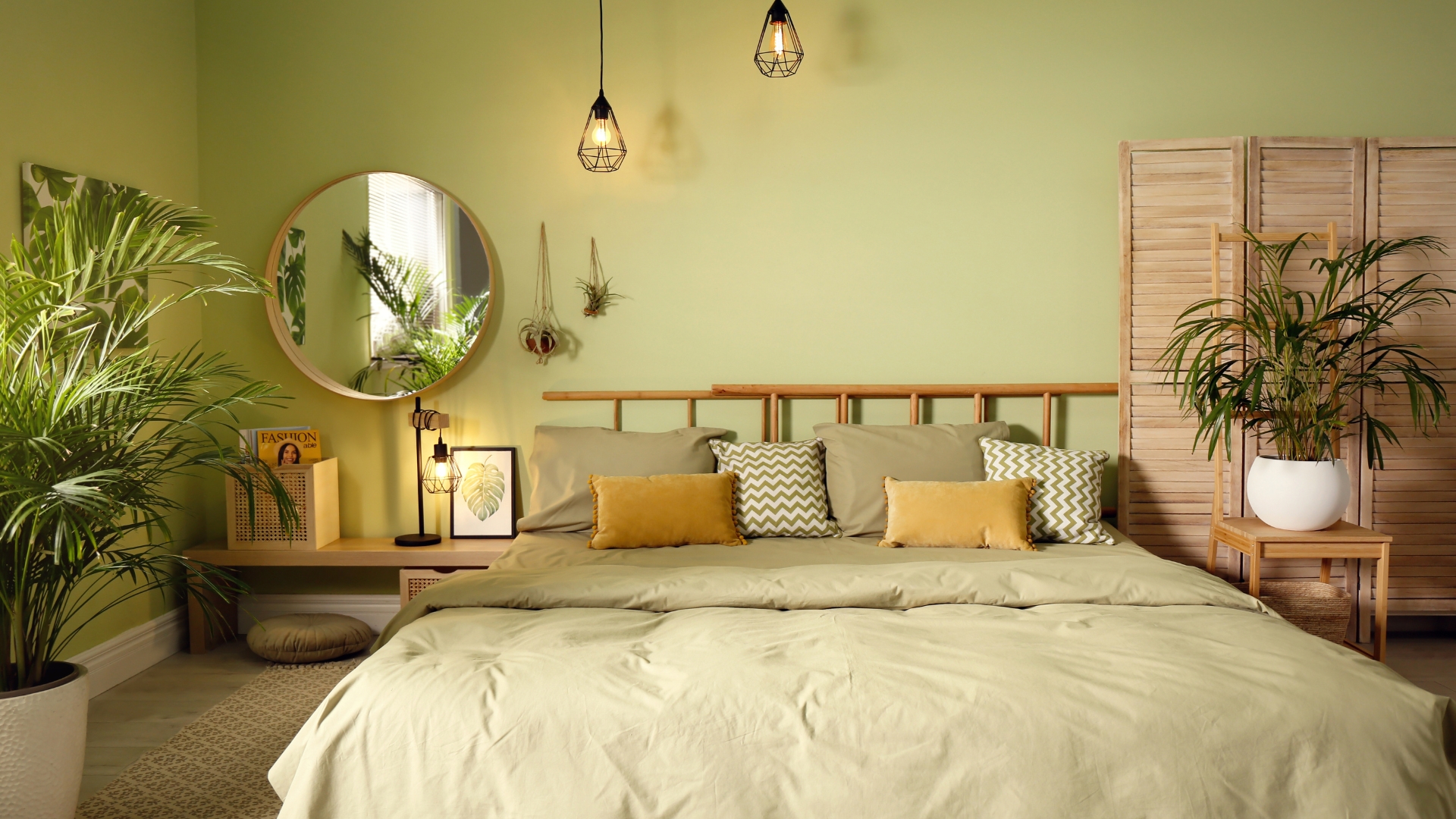
Introduction:
Designing a bedroom today is not just about comfort and style — instead, it’s also about making environmentally responsible choices. Sustainable Bedroom Décor focuses on using eco-friendly materials, energy-efficient solutions, and mindful design practices to create a space that is both beautiful and kind to the planet.
For example, choosing organic fabrics, recycled materials, and natural finishes can significantly reduce your environmental impact. Moreover, sustainable design not only benefits the environment but also creates a healthier and more relaxing living space.
Explore full inspiration here:
Sustainable Bedroom Décor
Why Sustainable Bedroom Decor Matters Right Now
Our bedrooms have changed roles over the last few years. They’re no longer just places to sleep — they’re personal sanctuaries, recharge zones, and sometimes even work-from-home spaces. With that shift has come a deeper awareness of how our environment affects how we feel.
Here’s why eco-friendly bedroom decor is having such a moment:
-
People want healthier homes. Natural materials and low-tox finishes can improve air quality and comfort.
-
Sustainability is becoming personal. Instead of focusing only on kitchens or closets, people are making greener choices where they rest.
-
The aesthetic is calming and timeless. Earthy colors, organic textures, and simple designs never feel overwhelming.
-
Buy less, buy better mentality. Fast furniture is losing its appeal in favor of pieces that last.
In short, sustainable bedroom decor fits perfectly with modern lifestyles that value comfort, intention, and long-term style.
What Is Sustainable Bedroom Decor?
Sustainable bedroom decor focuses on materials, furniture, and styling choices that are environmentally responsible and built to last.
Instead of disposable decor trends, this approach prioritizes:
-
Natural, renewable materials
-
Non-toxic or low-VOC finishes
-
Quality craftsmanship
-
Timeless design over quick trends
It doesn’t mean your bedroom has to look rustic or minimal. Sustainable design can be modern, cozy, elegant, or even a little eclectic — it’s all about how pieces are made and why you choose them.
Eco-Friendly Materials That Define This Trend
Let’s break down the most popular materials you’ll see in sustainable bedroom design — and how to use them in real homes.
Natural Wood Furniture
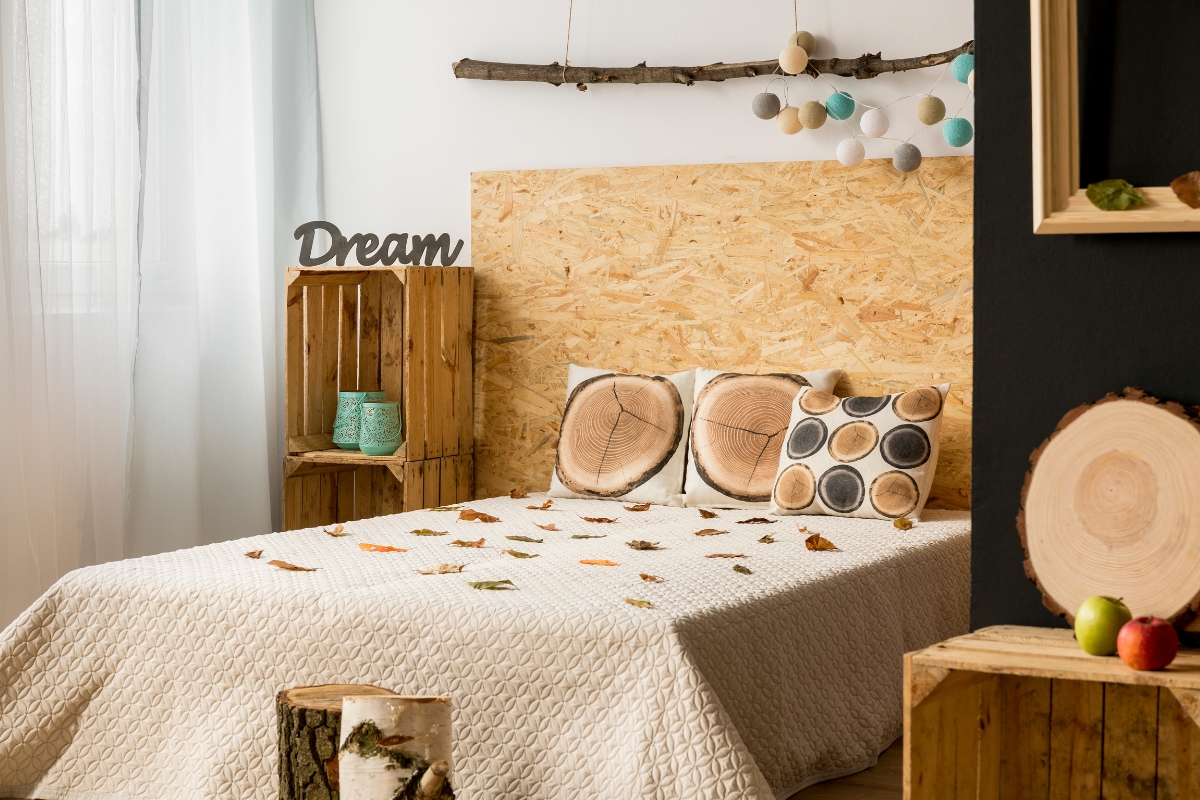
Solid wood is a staple in eco-friendly bedrooms, and for good reason. It’s durable, repairable, and ages beautifully.
Look for:
-
Oak, walnut, maple, or birch
-
FSC-certified wood when possible
-
Simple silhouettes that won’t date quickly
How to use it:
A wooden bed frame, nightstands, or a low dresser instantly grounds the room and adds warmth without feeling heavy.
Organic and Natural Bedding
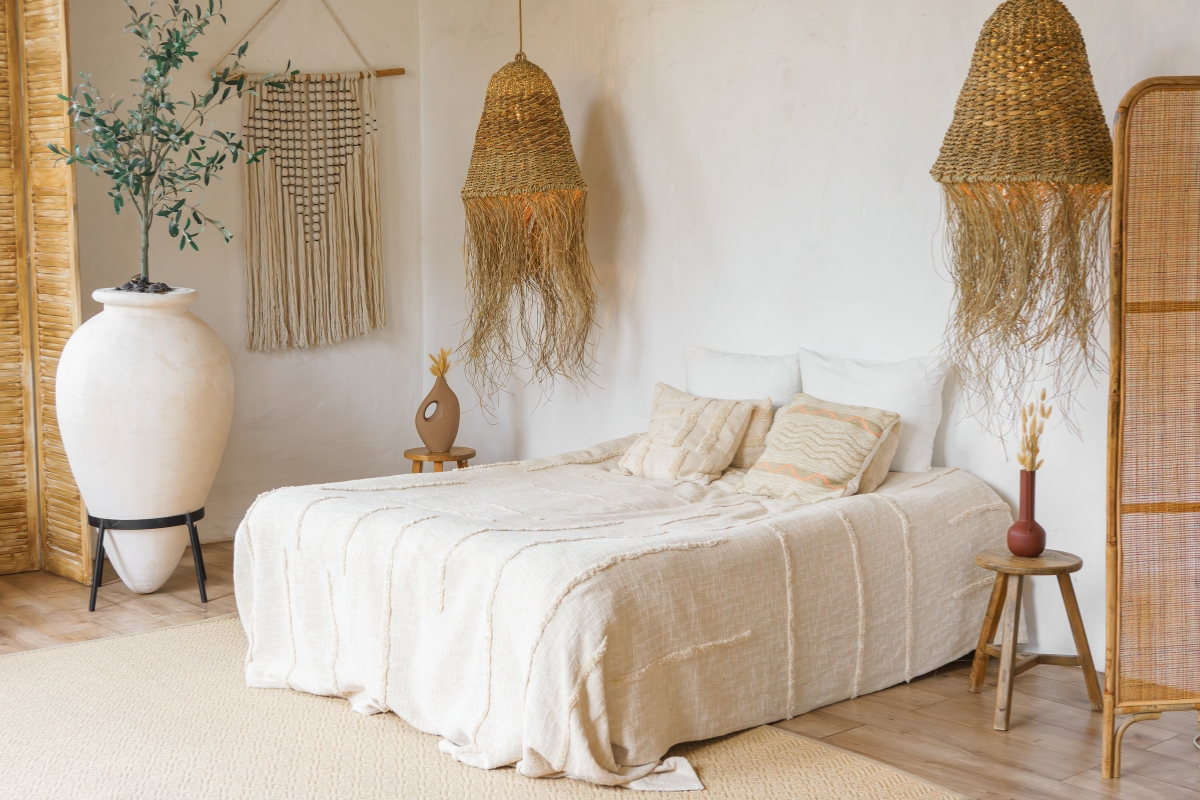
Your bed is the heart of the bedroom — and one of the easiest places to go sustainable.
Popular options include:
-
Organic cotton sheets
-
Linen duvet covers
-
Hemp or bamboo blends
These fabrics are breathable, cozy, and often get softer over time. Plus, they just look relaxed and inviting.
Natural Fiber Rugs
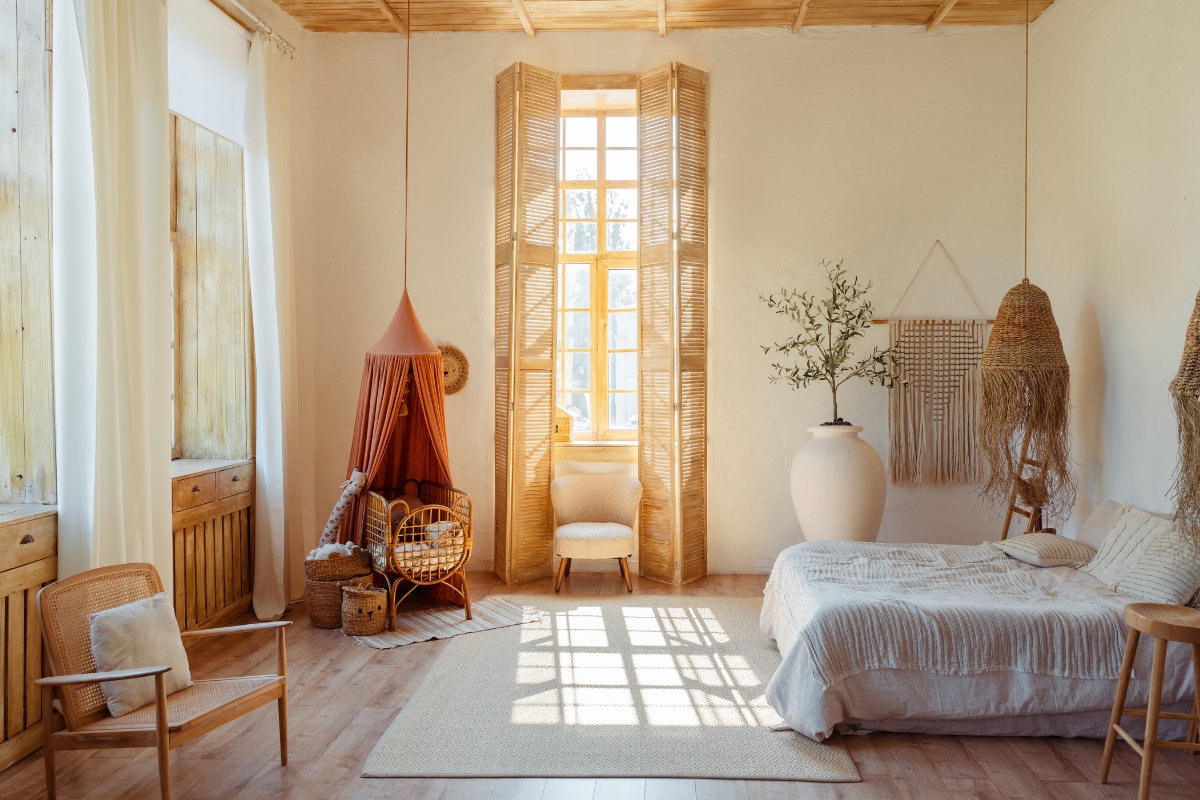
Synthetic rugs are everywhere, but natural fiber rugs are a game-changer.
Try:
-
Wool rugs for warmth
-
Jute or sisal for texture
-
Cotton flatweaves for layering
They add depth without overpowering the room and work beautifully with wood furniture.
Low-VOC Paints and Finishes
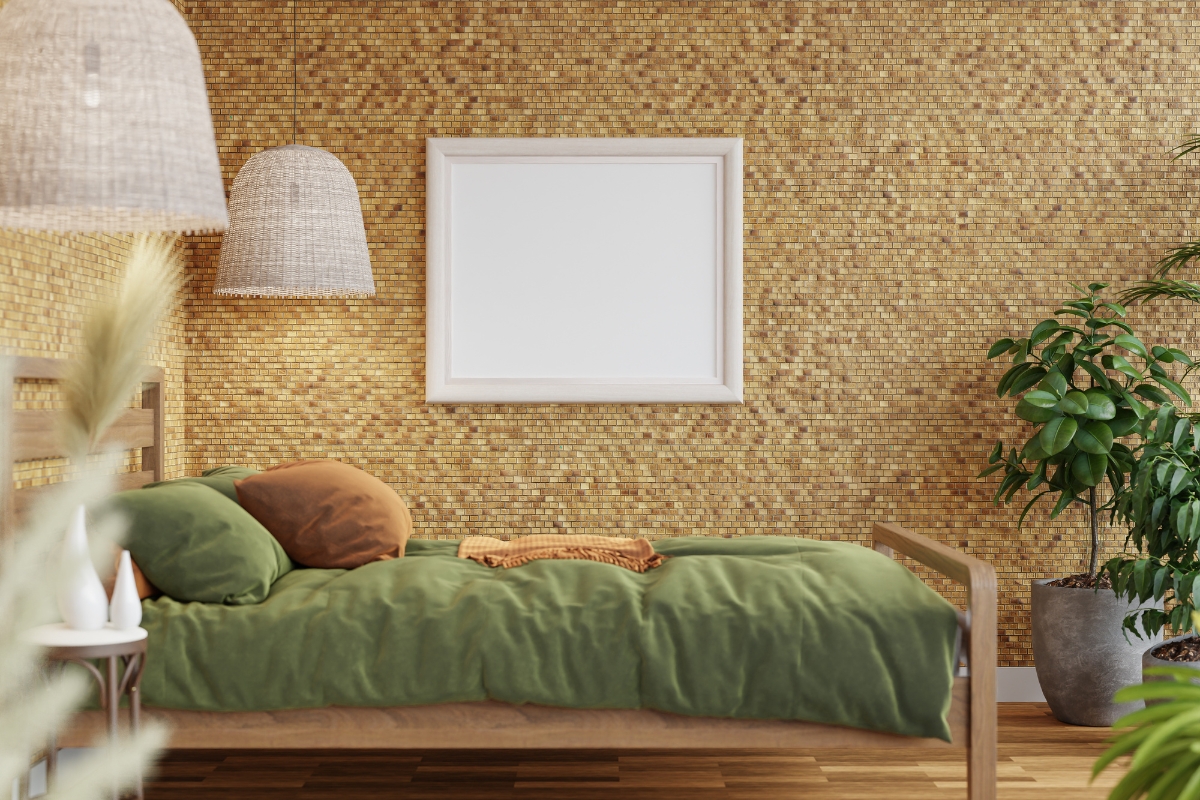
Paint can seriously impact indoor air quality, especially in bedrooms.
Low-VOC or zero-VOC paints are safer and come in gorgeous shades like:
-
Warm whites
-
Soft sage and olive greens
-
Clay, sand, and muted taupes
These tones pair perfectly with sustainable materials.
How to Create a Sustainable Bedroom
You don’t need to overhaul your entire bedroom to embrace this trend. Sustainable design works best when it’s intentional and gradual.
Start With What You Already Own
This is the most sustainable step of all.
Before buying anything new:
-
Can furniture be refinished or repainted?
-
Can decor be rearranged or restyled?
-
Can clutter be edited down?
Sometimes the best upgrade is simply letting the room breathe.
Upgrade the High-Impact Pieces First
Focus on items that affect comfort and visual impact the most:
-
Bedding
-
Mattress (when needed)
-
Bed frame
-
Lighting
This keeps the process manageable and budget-friendly.
Layer Natural Textures
Sustainable bedrooms shine when they feel layered and cozy.
Try combining:
-
Linen bedding with a wool throw
-
Wood furniture with ceramic lamps
-
Cotton curtains with woven baskets
Texture keeps neutral spaces from feeling flat.
Add Greenery Thoughtfully
Plants are a natural fit for eco-friendly bedroom decor.
Easy-care options:
-
Snake plant
-
Pothos
-
ZZ plant
If live plants aren’t your thing, high-quality faux greenery still adds softness — just skip anything shiny or plastic-looking.
Use Soft, Energy-Efficient Lighting
Lighting sets the mood more than we realize.
Choose:
-
LED bulbs
-
Warm light temperatures
-
Table lamps or wall sconces over harsh overhead lights
Your bedroom should feel calm the moment you walk in.
Budget-Friendly & DIY Sustainable Bedroom Ideas
Sustainable decor doesn’t have to be expensive — some of the best ideas are surprisingly affordable.
Shop Secondhand and Vintage
This is hands-down one of the easiest ways to decorate sustainably.
Check:
-
Thrift stores
-
Facebook Marketplace
-
Estate sales
-
Vintage shops
Older wood furniture often has better craftsmanship than modern fast furniture — and it’s already eco-friendly.
Easy DIY Ideas That Actually Look Stylish
-
Sand and stain an old nightstand
-
Create wall art using botanical prints or fabric scraps
-
Turn glass jars into bedside organizers
-
Make a simple headboard from reclaimed wood or fabric panels
DIY doesn’t need to be complicated to look beautiful.
Affordable Sustainable Swaps
-
Cotton or linen curtains instead of polyester
-
Wooden hangers instead of plastic
-
Ceramic or stone decor instead of resin
Small swaps add up over time.
Common Sustainable Bedroom Mistakes (and How to Avoid Them)
Even good intentions can miss the mark. Here are a few mistakes I see often.
Mistake-Replacing Everything at Once
This can lead to overspending and stress.
Solution:
Take it slow. Sustainability is about progress, not perfection.
Mistake-Ignoring Comfort
Minimal doesn’t mean cozy by default.
Solution:
Balance clean lines with softness — throws, pillows, rugs, and warm lighting.
Mistake- Falling for Greenwashing
Not everything labeled “eco-friendly” actually is.
Solution:
Look for transparency, certifications, and honest material descriptions.
Mistake- Making the Space Feel Too Plain
Neutral doesn’t mean boring.
Solution:
Add contrast with darker wood, subtle patterns, or textured accents.
Final Thoughts & A Bedroom That Feels Good in Every Way
Sustainable bedroom decor isn’t about trends that fade — it’s about creating a space that supports rest, calm, and intentional living.
Start small. Replace one thing. Choose quality over quantity. Let your bedroom evolve naturally instead of forcing it to look “finished” overnight.
The most beautiful bedrooms aren’t perfect — they’re thoughtful, layered, and lived in
If you’ve been craving a bedroom that feels modern, cozy, andmeaningfu, an eco-friendly design might be the most rewarding upgrade you make this year.
Personal Experience: Designing for Real Life
When I first explored Sustainable Bedroom Décor, I started with simple changes. For instance, I replaced synthetic bedding with organic cotton sheets and added wooden furniture made from reclaimed materials. Additionally, I switched to energy-efficient lighting.
As a result, the room felt fresher and more calming. In fact, I noticed improved air quality and better sleep. Moreover, this experience showed me that eco-friendly choices can enhance both comfort and well-being.
Real-Life Example: Eco-Friendly Bedroom Transformation
One homeowner redesigned their bedroom using sustainable principles. Not only did they use bamboo furniture, but they also incorporated recycled décor and natural textiles.
- Bamboo bed frame for durability
- Organic bedding for comfort
- Recycled décor for sustainability
Consequently, the bedroom became both stylish and environmentally friendly. Furthermore, the use of natural materials created a warm and inviting atmosphere.
Case Study: From Conventional to Sustainable Living
A family decided to convert their bedroom into a sustainable space. Therefore, they focused on eco-friendly materials, energy-saving lighting, and minimal décor.
Meanwhile, they replaced old furniture with upcycled pieces and added indoor plants for natural air purification. As a result, the room became healthier and more efficient. In fact, experts highlight that sustainable design can significantly improve both environmental impact and personal well-being.
Author Credibility
This article is inspired by ideas shared on SilkRaj.com and written by Md. Sohel Parvez, Pinterest Marketing Manager and part of the SilkRaj creative team. He specializes in Sustainable Bedroom Décor, combining eco-conscious design with real-life functionality.
Moreover, his expertise focuses on creating environmentally friendly spaces that remain stylish and practical. In addition, his work highlights smart solutions that balance sustainability, comfort, and modern aesthetics.
Key Elements of Sustainable Bedroom Décor
- Natural Materials – Wood, bamboo, and organic fabrics promote eco-friendliness.
- Energy-Efficient Lighting – LED bulbs reduce energy consumption.
- Upcycled Furniture – Reusing items reduces waste.
- Minimal Design – Less clutter leads to mindful living.
- Indoor Plants – Improve air quality and add natural beauty.
Useful Resources & Outbound Links
Sustainable Bedroom Ideas – https://www.thespruce.com/sustainable-bedroom-ideas-5186883
Eco-Friendly Interior Design – https://www.decoist.com/eco-friendly-interior-design/
Sustainable Home Design Guide – https://www.architecturaldigest.com/story/sustainable-home-design
Green Living Tips for Homes – https://www.forbes.com/home-improvement/living/eco-friendly-home-ideas/
Conclusion:
Sustainable Bedroom Décor is more than a trend — it’s a lifestyle choice that benefits both you and the environment. Furthermore, by choosing eco-friendly materials and mindful design, you can create a bedroom that is healthy, stylish, and responsible. Ultimately, small sustainable changes can lead to a big positive impact on your home and the planet.
FAQ:
Q. What is Sustainable Bedroom Décor?
A: It is a design approach that uses eco-friendly materials and practices to create a healthy and environmentally responsible space.
Q. How can I make my bedroom more sustainable?
A: Use organic fabrics, energy-efficient lighting, and recycled furniture.
Q. Are sustainable materials expensive?
A: Not always — in fact, many options are affordable and long-lasting.
Q. Do indoor plants help in sustainable design?
A: Yes — in fact, they improve air quality and add natural beauty to the space.
Outbound Links:
https://news.google.com/home?hl=en-US&gl=US&ceid=US:en