
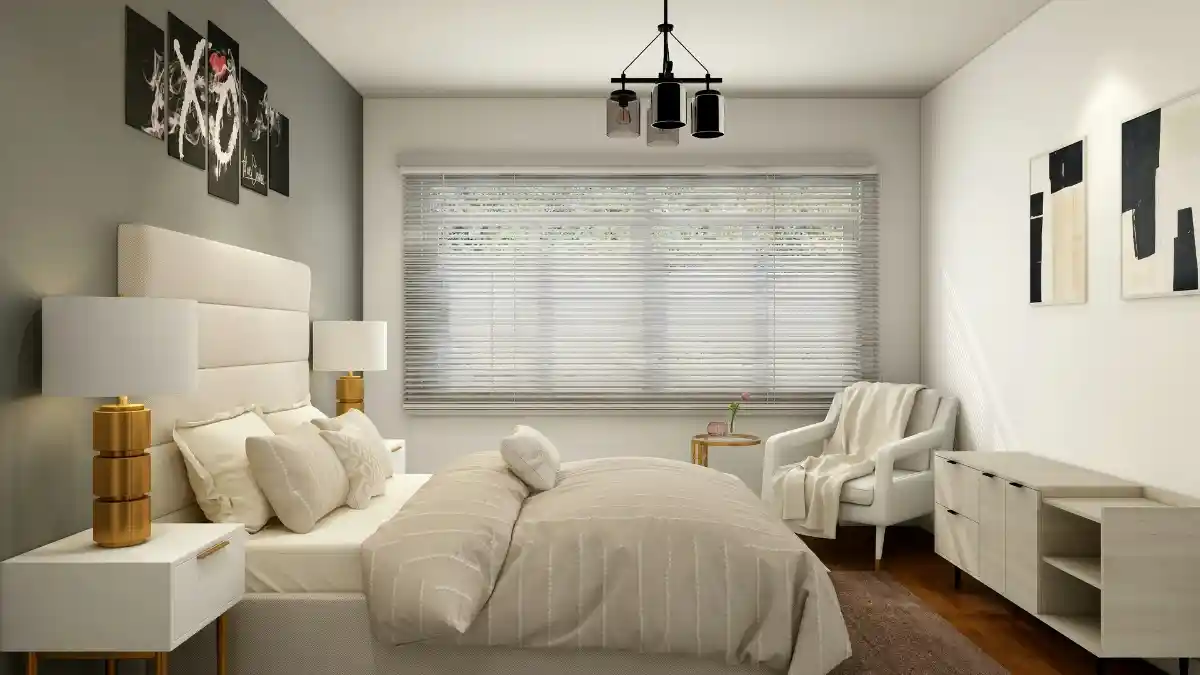
Introduction
Small bedrooms can feel cozy and calming — or frustratingly cramped. The difference usually comes down to a handful of small bedroom design mistakes most people don’t even realize they’re making.
I’ve worked with renters, first-time homeowners, and people trying to make a 9×10 room feel livable without knocking down walls. And honestly, most small bedroom problems are not about square footage. They’re about layout, lighting, storage habits, and visual clutter.
A tiny room can absolutely feel stylish and comfortable. But a few common small bedroom design mistakes can quietly ruin the flow of the space and make the room feel tighter than it actually is.
This guide covers the small bedroom design mistakes I see most often, plus practical fixes that actually work in real homes — especially on a realistic budget.
Table of Contents
- Pushing Furniture Against Every Wall
- Choosing Oversized Furniture
- Ignoring Vertical Space
- Using the Wrong Lighting
- Too Many Decorative Pillows
- Blocking Natural Light
- Poor Storage Planning
- Using Tiny Rugs
- Overcrowding the Walls
- Choosing Dark Paint Without Balance
- Forgetting About Walking Space
- Mismatched Furniture Heights
- Ignoring Multi-Functional Pieces
- Overdecorating Open Shelves
- Neglecting Bedroom Scale and Proportion
- Real-Life Small Bedroom Makeover
- Mini Case Study
- Expert Pro Tips
- FAQ
- Final Verdict
Pushing Furniture Against Every Wall
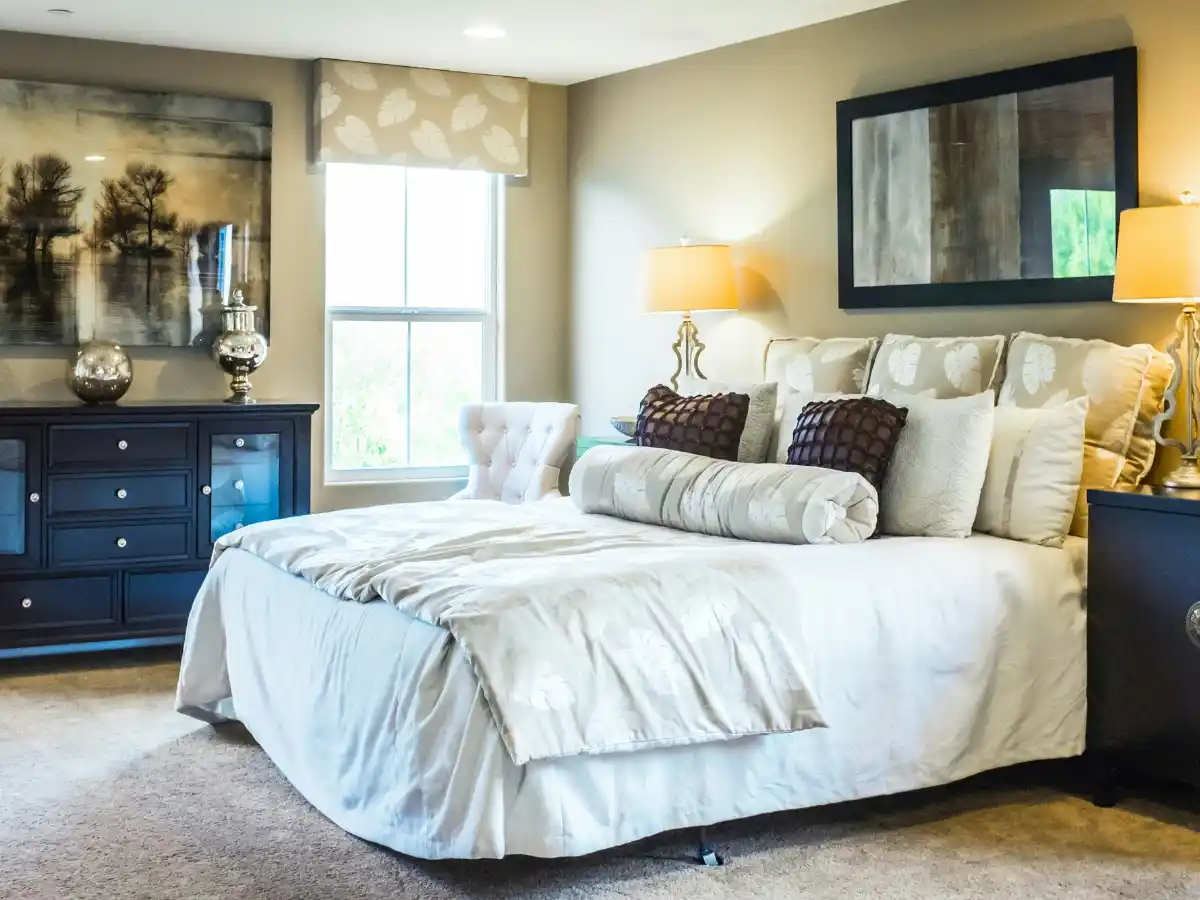
This is probably the most common small bedroom mistake.
People assume shoving everything outward creates more space in the center. In reality, it often makes the room feel boxed in and awkward.
A bed slightly pulled away from the wall with a narrow nightstand can actually improve flow. The same goes for dressers.
I learned this while helping a friend redesign her apartment bedroom in Chicago. We moved the bed just four inches off the corner wall and added a slim lamp behind it. The room instantly looked more intentional.
Better approach:
- Float at least one piece slightly away from the wall
- Leave breathing room around major furniture
- Focus on visual balance instead of empty center space
Choosing Oversized Furniture
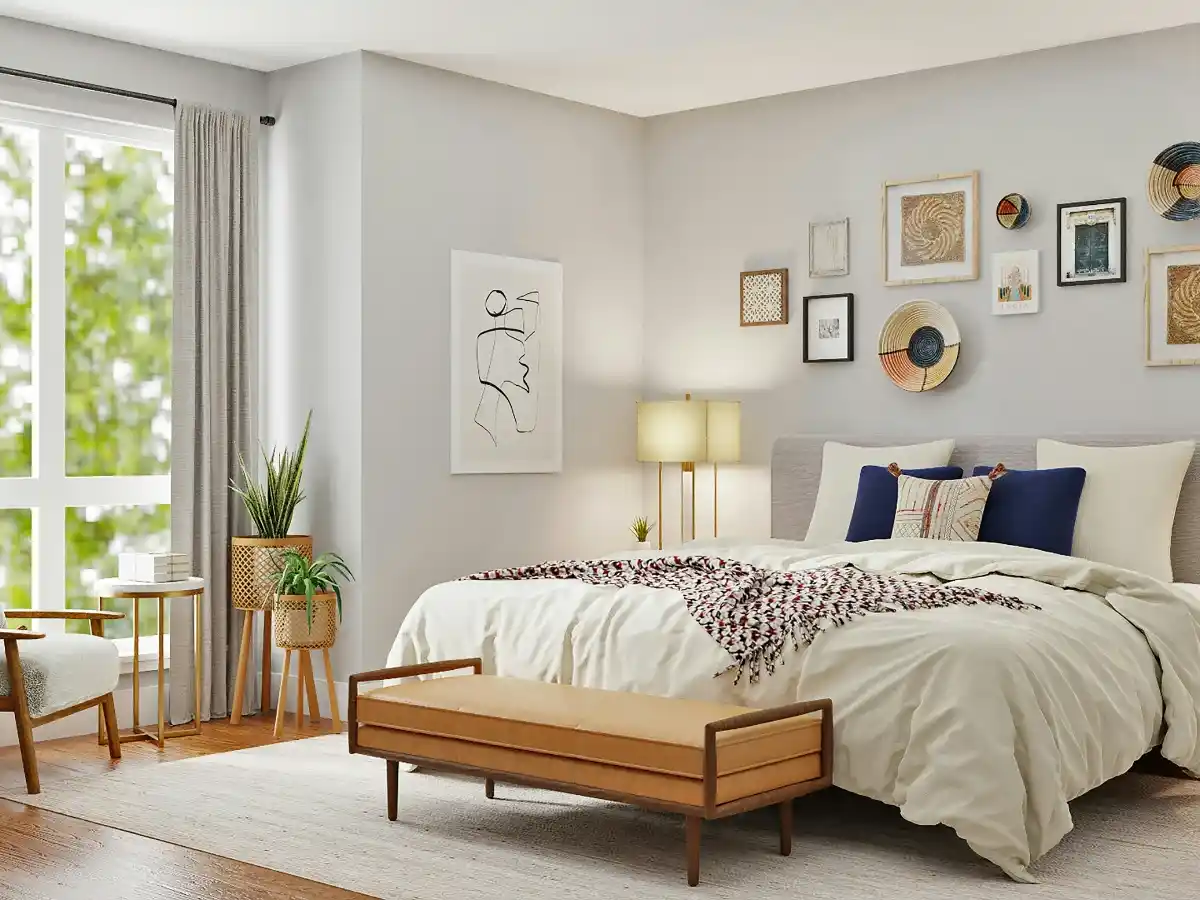
A king-size bed in a tiny bedroom usually creates more stress than comfort.
One of the biggest bedroom design problems is trying to force large furniture into a room that physically can’t support it.
A queen bed with slimmer proportions often works better than a bulky king with oversized headboards.
Signs your furniture is too large:
- You sidestep around the bed
- Drawers can’t fully open
- Nightstands feel squeezed in
- The room feels “heavy.”
Honest opinion:
I think oversized upholstered beds are one of the worst trends for small rooms. They photograph beautifully online, but many eat up valuable walking space in real homes.
Ignoring Vertical Space
People focus so much on floor storage that they forget walls exist.
Vertical storage is one of the smartest small bedroom design principles because it keeps the floor visually open.
Try:
- Tall bookshelves
- Wall-mounted sconces
- Floating shelves
- Hooks behind doors
- Vertical mirrors
One subtle detail I’ve noticed: rooms with visible floor space almost always feel cleaner, even when they contain the same amount of furniture.
Using the Wrong Lighting
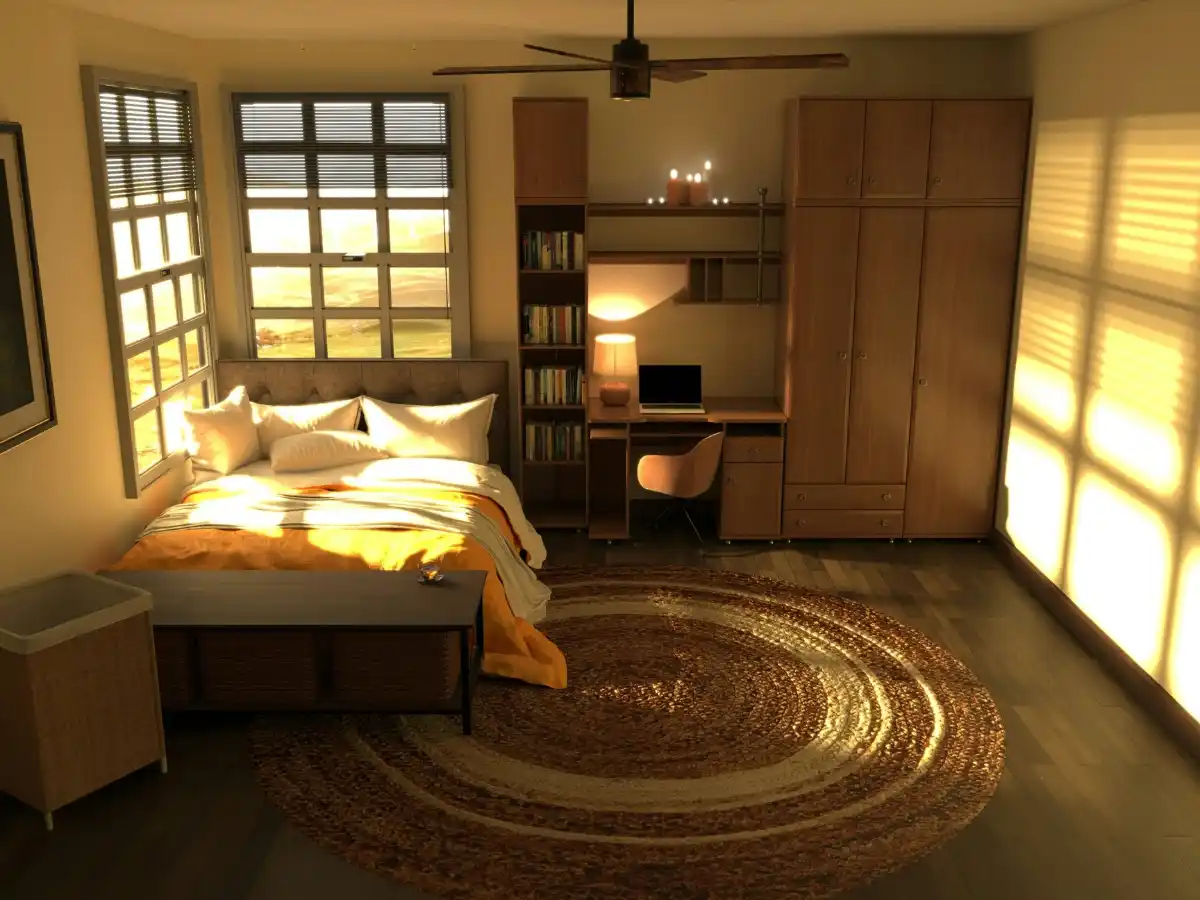
Poor lighting can make a small bedroom feel like a storage closet.
Relying on a single ceiling fixture creates flat shadows and makes corners look darker.
Instead, layer lighting:
- Warm bedside lamps
- Wall sconces
- Soft overhead lighting
- LED strips under shelves
The lighting advice from the U.S. Department of Energy also supports using LED lighting for efficiency and flexibility in smaller spaces.
What I learned:
Warm light matters more than expensive fixtures. I’ve seen $25 lamps completely change the mood of a room.
Too Many Decorative Pillows
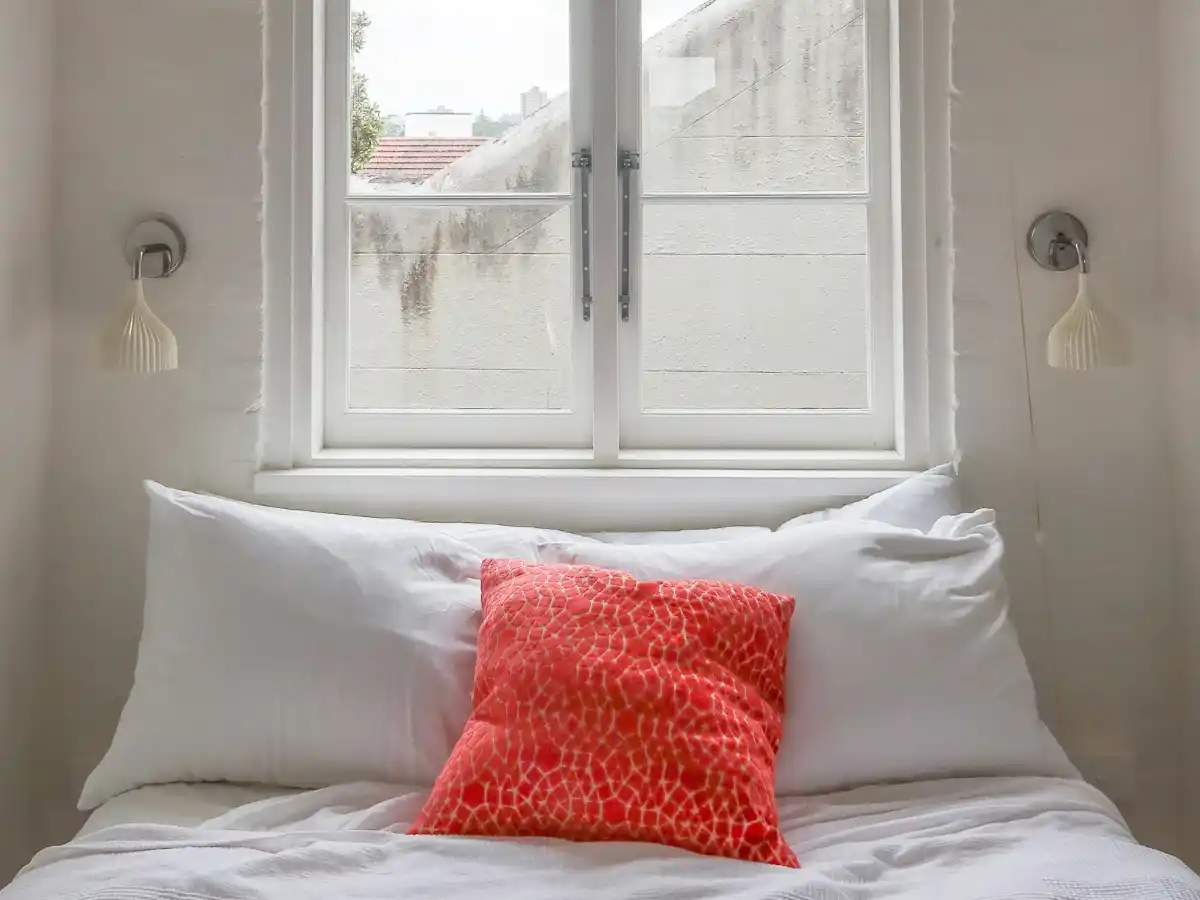
This sounds minor, but it adds visual clutter fast.
A small bed buried under six pillows instantly feels crowded.
I usually recommend:
- Two sleeping pillows
- One or two accent pillows maximum
That’s enough texture without turning bedtime into a cleanup routine.
Blocking Natural Light
Heavy curtains, bulky furniture near windows, or dark blackout panels can make a small bedroom feel much smaller.
Natural light creates perceived openness.
Better options:
- Sheer curtains
- Light-filtering shades
- Curtain rods mounted higher
- Mirrors opposite windows
The design research shared by Cornell University Ergonomics Web explains how lighting directly affects comfort and spatial perception.
Poor Storage Planning
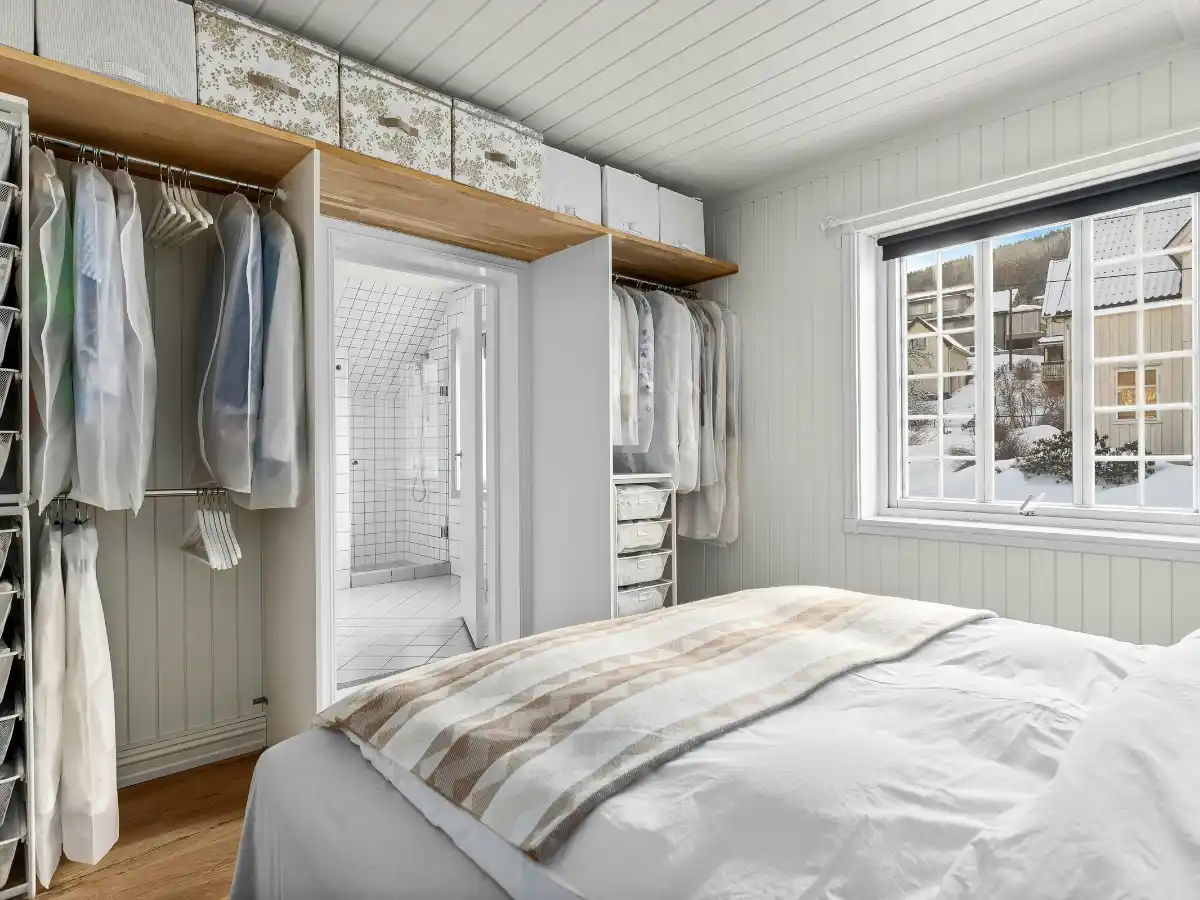
A small bedroom without proper storage becomes messier faster than a large one.
And clutter changes how a room feels emotionally. You notice it immediately.
Smart storage ideas:
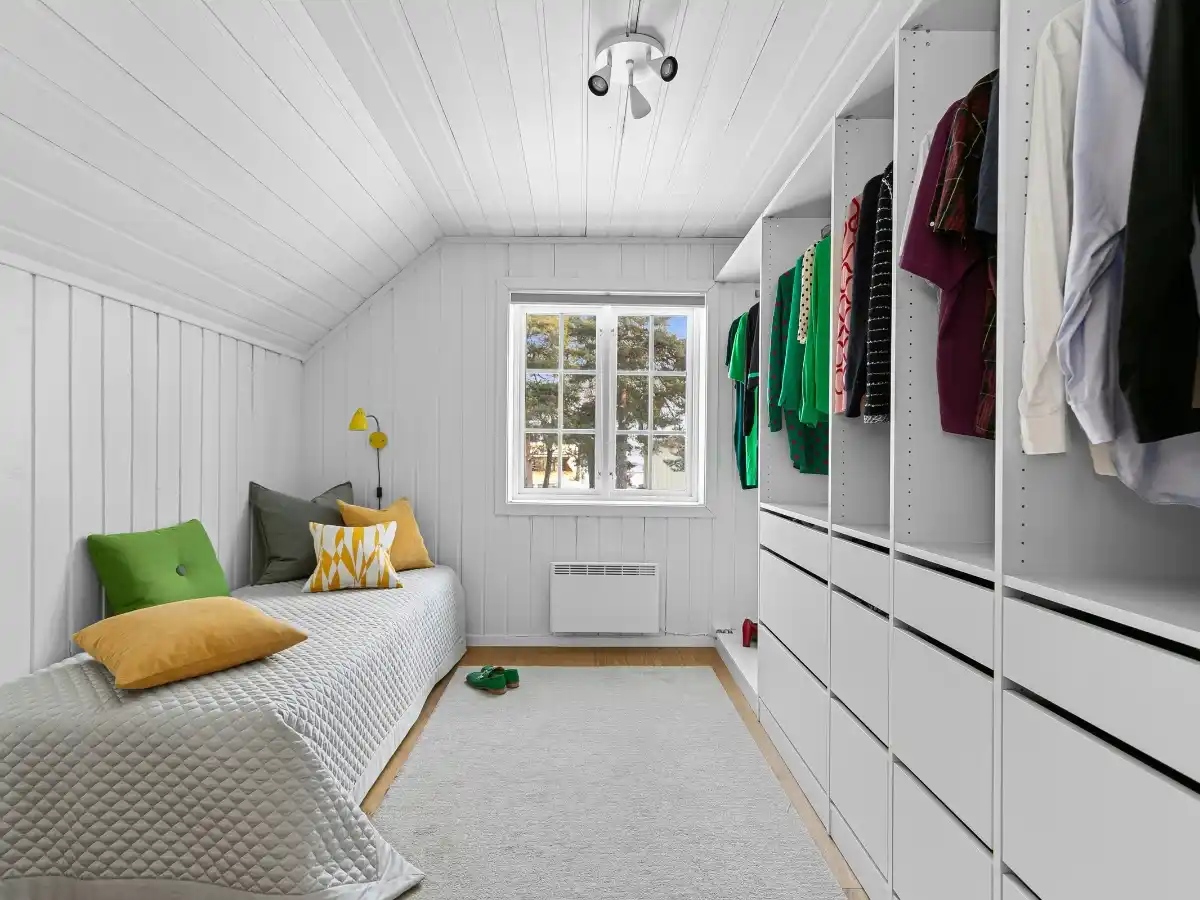
- Under-bed drawers
- Storage benches
- Narrow vertical dressers
- Over-door organizers
- Hidden nightstand storage
One mistake I see often: buying trendy storage baskets without measuring dimensions first. Half the time, they waste space instead of saving it.
Using Tiny Rugs
This surprises people.
Many assume small rooms need small rugs. Usually, the opposite works better.
A rug that’s too tiny visually chops up the room.
Better rug sizing:
- Place the rug partially under the bed
- Let it extend beyond both sides
- Keep proportions balanced
A larger rug creates continuity and makes the room feel bigger.
Overcrowding the Walls
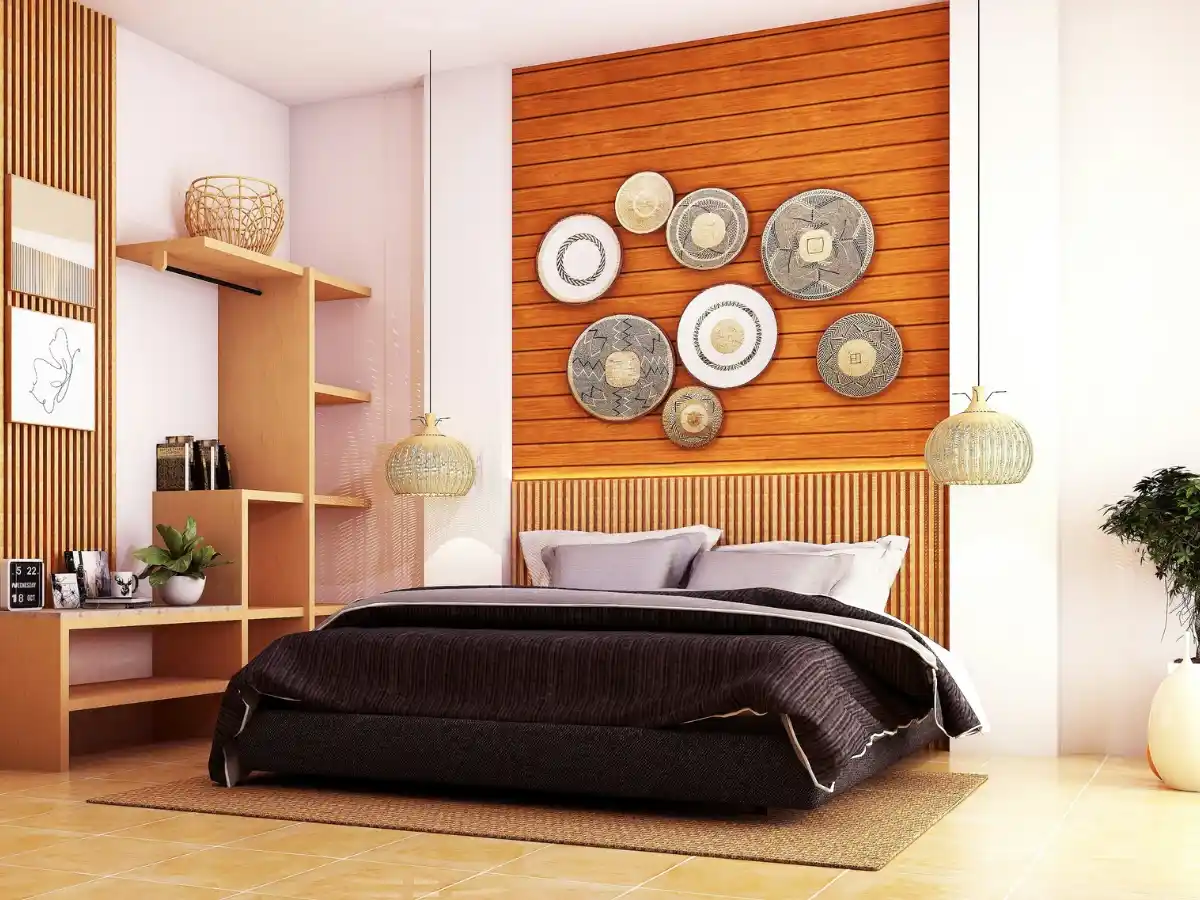
Gallery walls can quickly become overwhelming in a small bedroom.
Too many frames, shelves, or decorations create visual noise.
Simple rule:
Leave some wall space empty.
That negative space helps the room breathe.
I personally prefer one oversized art piece over eight smaller frames in compact bedrooms.
Choosing Dark Paint Without Balance
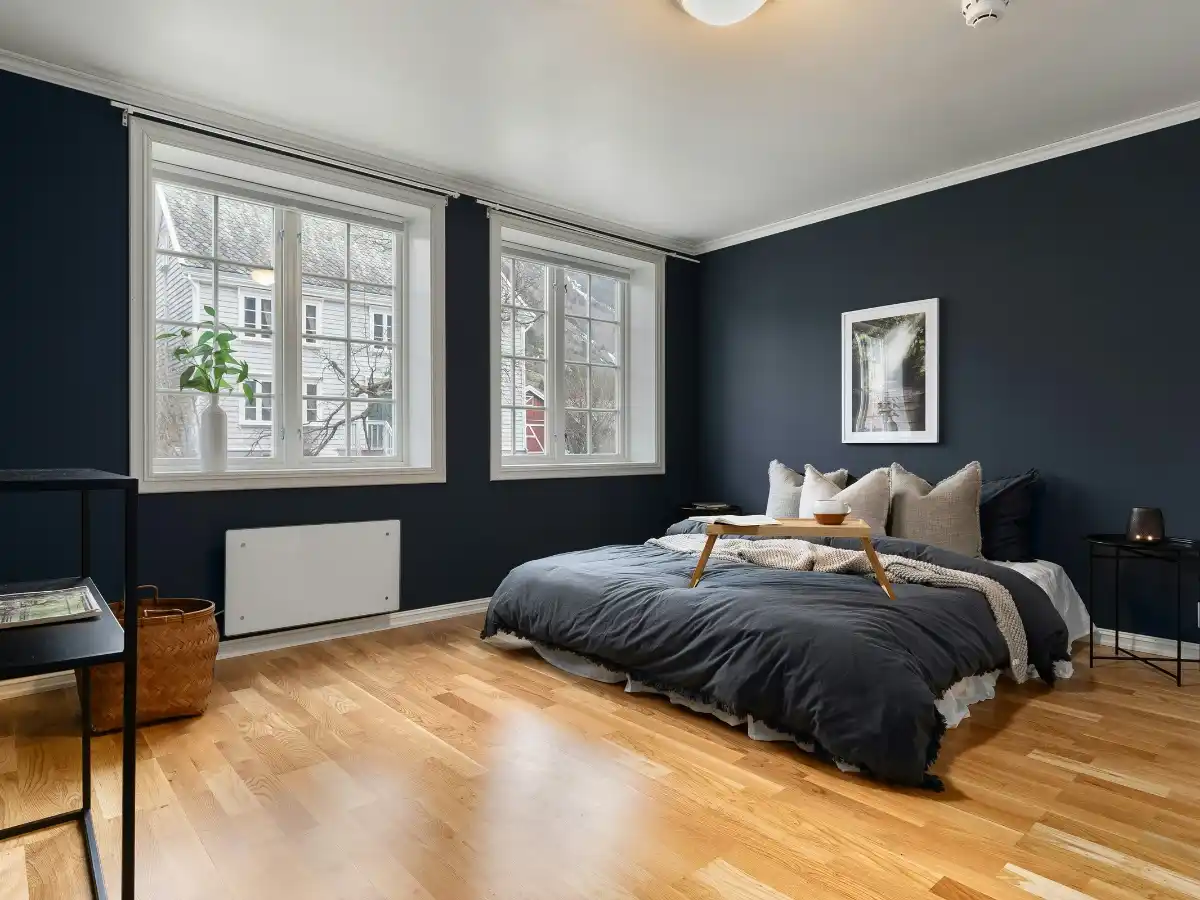
Dark paint is not automatically bad for a small bedroom.
But using deep colors without enough contrast often creates a cave-like feeling.
If you love dark walls:
- Add mirrors
- Use lighter bedding
- Include warm lighting
- Keep furniture visually lighter
Some of the best small bedrooms I’ve seen used rich colors — but they balanced them carefully.
Forgetting About Walking Space
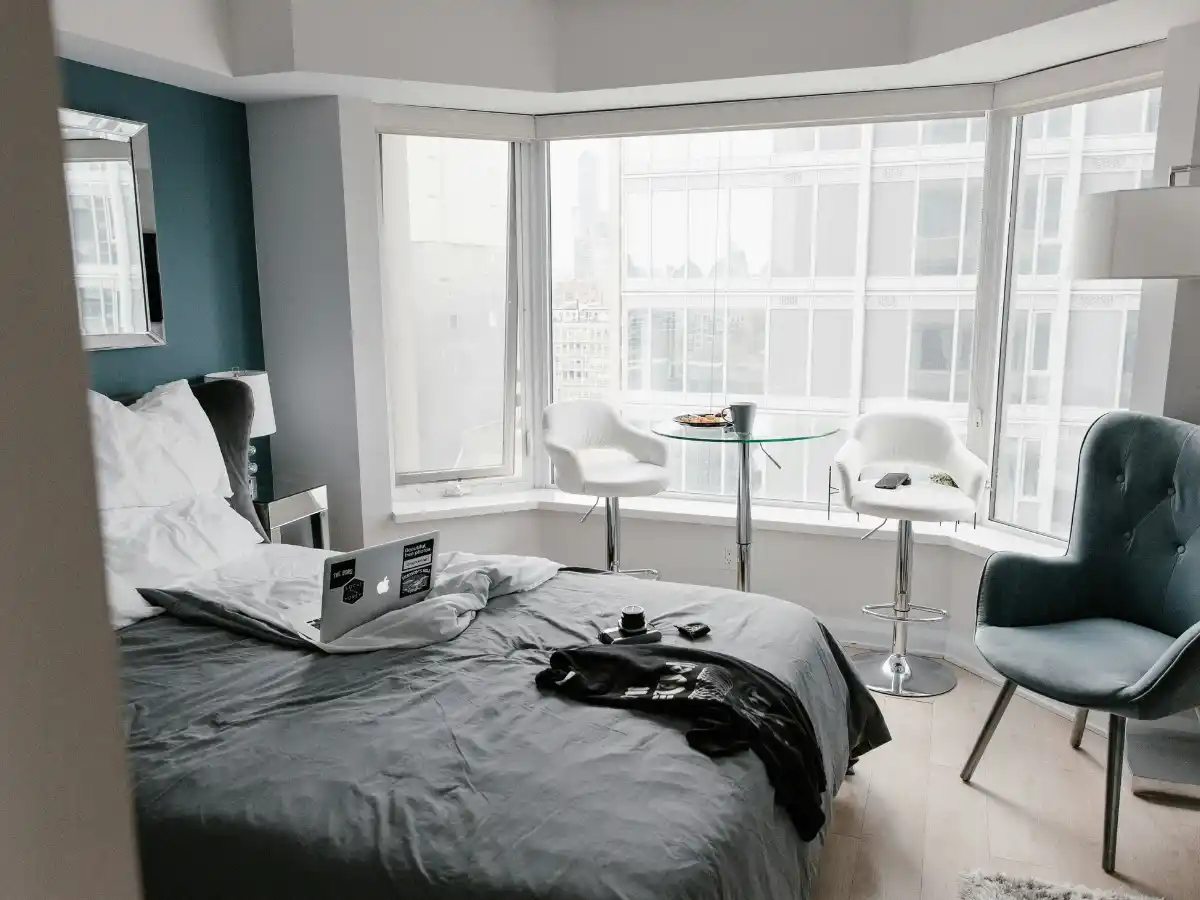
This is one of the most overlooked common bedroom mistakes.
If you constantly bump into furniture, the room becomes mentally exhausting.
Ideal clearance:
- 24–30 inches around the bed when possible
- Clear path to the closet
- Easy drawer access
Good design isn’t only about appearance. It’s also about movement.
Mismatched Furniture Heights
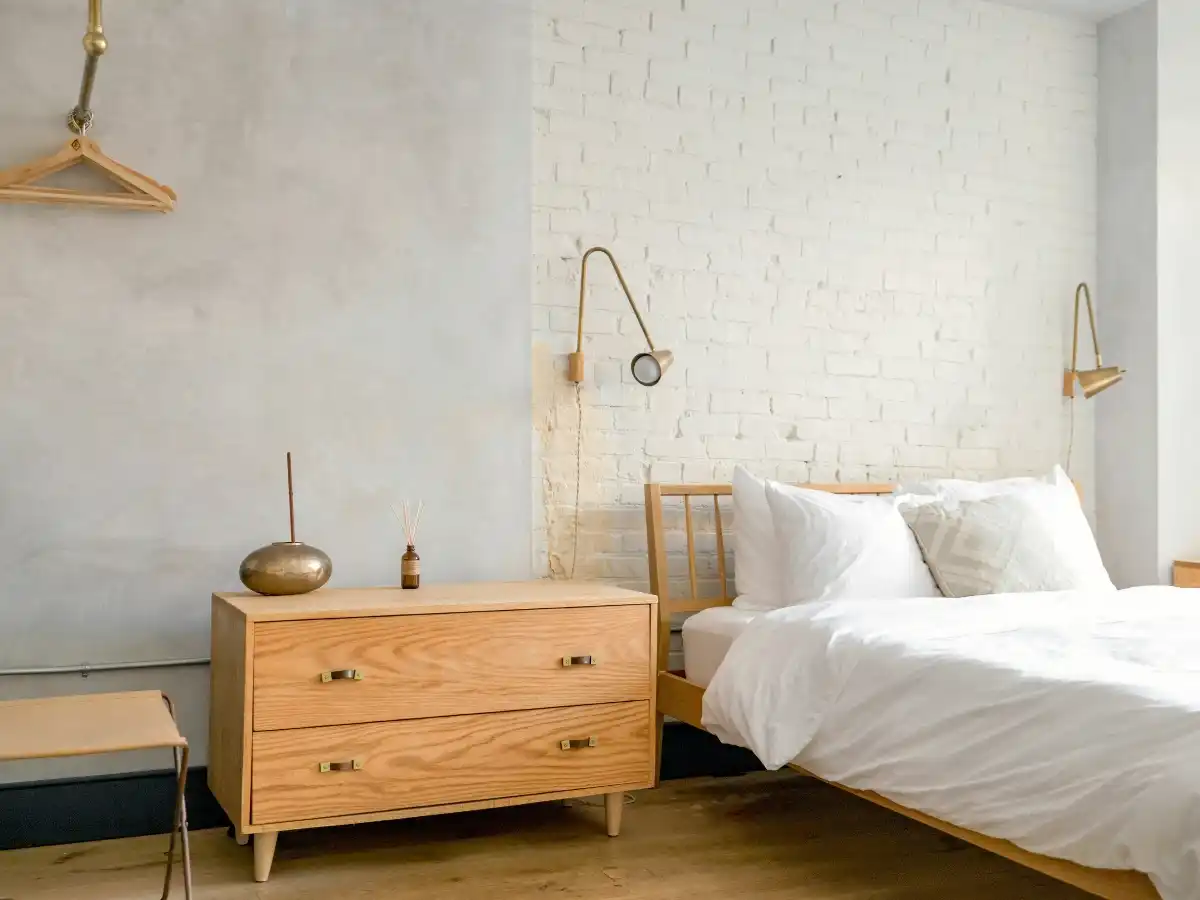
A tall dresser beside a super low bed can throw off visual proportion.
Small rooms feel calmer when furniture heights feel intentional.
Quick fix:
Try repeating similar height lines:
- Low-profile bed + low nightstands
- Taller headboard + taller lamps
- Consistent shelf alignment
This creates rhythm without making the room feel busy.
Ignoring Multi-Functional Pieces
In a small bedroom, every piece should earn its place.
A bench that also stores blankets? Worth it.
A desk that doubles as a vanity? Even better.
Best multifunctional items:
| Item | Function |
| Storage bed | Sleeping + hidden storage |
| Floating desk | Workspace + compact footprint |
| Ottoman bench | Seating + storage |
| Wall sconces | Lighting without table clutter |
This is especially useful in studio apartments and older homes with limited closet space.
Overdecorating Open Shelves
Open shelving looks amazing online.
But in real life, too many visible items can make a small bedroom feel chaotic.
Keep shelves:
- 50% empty
- Color coordinated
- Limited to essentials
- Free of random cords and packaging
One small observation: exposed charging cables make bedrooms feel messier faster than people expect.
Neglecting Bedroom Scale and Proportion
Scale is everything in a small room.
Even beautiful furniture can look wrong if the proportions don’t match the space.
Easy guideline:
- Thin-legged furniture feels lighter
- Glass and mirrors reduce visual heaviness
- Low-profile furniture opens sightlines
The National Association of Home Builders regularly highlights how efficient space planning improves functionality in smaller homes.
Real-Life Example
Last year, I helped a renter redesign a narrow bedroom in a Brooklyn apartment.
The room had:
- Dark curtains
- Bulky nightstands
- A huge dresser
- Too many decorative pieces
It constantly felt cluttered.
We changed only five things:
- Removed one nightstand
- Switched to wall sconces
- Added under-bed storage
- Used lighter curtains
- Replaced a tiny rug with a larger neutral one
The room suddenly looked wider and calmer.
The biggest surprise? We didn’t buy expensive furniture. Most changes were under $300 total.
Case Study:
Room size:
8×10 feet
Main problems:
- No closet storage
- Poor lighting
- Furniture overcrowding
Solutions used:
| Problem | Solution |
| Limited storage | Bed risers + storage bins |
| Dark atmosphere | Warm LED lamps |
| Tight layout | Narrow-profile furniture |
| Visual clutter | Reduced decor by half |
Final result:
The room felt noticeably bigger without changing wall colors or removing major furniture.
This reinforced something I’ve seen repeatedly: layout matters more than expensive decor.
Common Small Bedroom Design Mistakes Recap
Here are the biggest issues people make repeatedly:
- Oversized beds
- Too much decor
- Blocking windows
- Tiny rugs
- Poor lighting
- No hidden storage
- Overcrowded walls
- Bad furniture proportions
- Ignoring the walking space
Most of these are fixable in a weekend.
Expert Pro Tips
Use mirrors carefully
One large mirror works better than several small ones.
Keep one visual focal point
Usually, the bed should anchor the room.
Choose furniture with visible legs
It creates a lighter appearance.
Don’t over-theme the roof.m
Too much “boho,” “farmhouse,” or “minimalist” styling can feel forced in small spaces.
Edit decor regularly
Even beautiful rooms collect clutter over time.
FAQ
What is the biggest small bedroom design mistake?
Oversized furniture is usually the biggest problem. It restricts movement and makes the room feel cramped immediately.
How do you design a very small bedroom without making it feel crowded?
Use vertical storage, lighter window treatments, multifunctional furniture, and leave some open wall space.
Are dark colors bad for a small bedroom?
Not always. Dark colors can look beautiful if balanced with lighting, mirrors, and lighter textiles.
What type of bed is best for a small bedroom?
Low-profile beds with built-in storage tend to work best because they reduce visual bulk and improve functionality.
How can I make a small bedroom look more expensive?
Focus on lighting, cohesive bedding, fewer decorative items, and better furniture proportions rather than buying more decor.
Final Verdict:
Most small bedroom design mistakes happen because people try to fit too much into a limited space.
A small bedroom does not need dozens of decorative items or oversized furniture to feel stylish. In fact, the rooms that feel best are usually edited carefully.
From my experience, the biggest transformation comes from improving layout and reducing visual clutter — not from expensive renovations.
A thoughtful small bedroom feels easier to live in every single day. And honestly, that matters more than chasing perfect Pinterest aesthetics.
Author Bio
Md. Sohel Parvez is the creator of silkraj.com, where he shares practical home decor ideas, interior styling advice, and budget-friendly home improvement tips. His work focuses on helping homeowners and renters create comfortable, stylish living spaces that feel functional in everyday life.
Read More:
Curved Dining Room Trends 2026 Soft Edges & Flowing Layout Ideas