
Introduction:
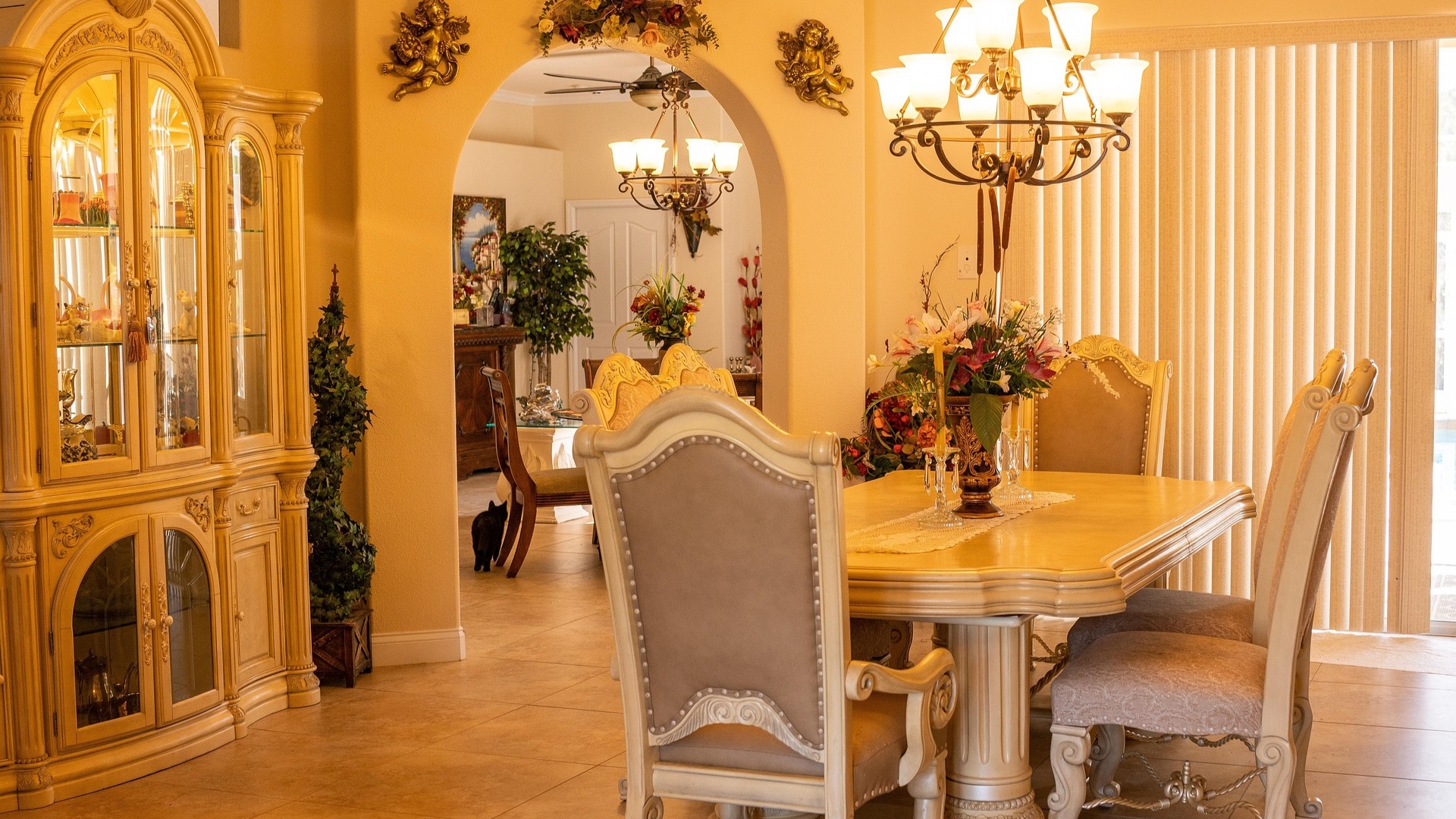
Dining Room Statement Lighting is more than just a functional element — it acts as the visual centerpiece of your dining space. In modern interior design, lighting is often described as the “jewelry of the room,” adding character, mood, and elegance without overwhelming the space.
Today, homeowners are moving beyond basic fixtures and embracing bold chandeliers, sculptural pendants, and layered lighting setups. These statement pieces not only illuminate the dining table but also define the entire room’s style and atmosphere. According to recent design trends, statement lighting is becoming a key feature in creating warm, inviting, and stylish dining environments.
Whether you prefer modern minimalism or dramatic luxury, the right lighting choice can completely transform your dining experience. B oxy dining rooms with sharp corners, stiff furniture lines, and one sad ceiling light can feel so… formal. Like you need to ask permission to pass the salt. That was exactly my dining room before I redesigned it. Four square walls, rectangular table, straight-back chairs — it looked like geometry homework.
The biggest transformation? Statement lighting.
The moment I swapped out the basic fixture for something bold and sculptural, the entire room softened. It went from “please sit upright” to “stay for dessert.” So today, let’s talk about how to design around the perfect fixture — because in a dining room, lighting isn’t an accessory. It’s the main character.
Go Oversized (Yes, Really)
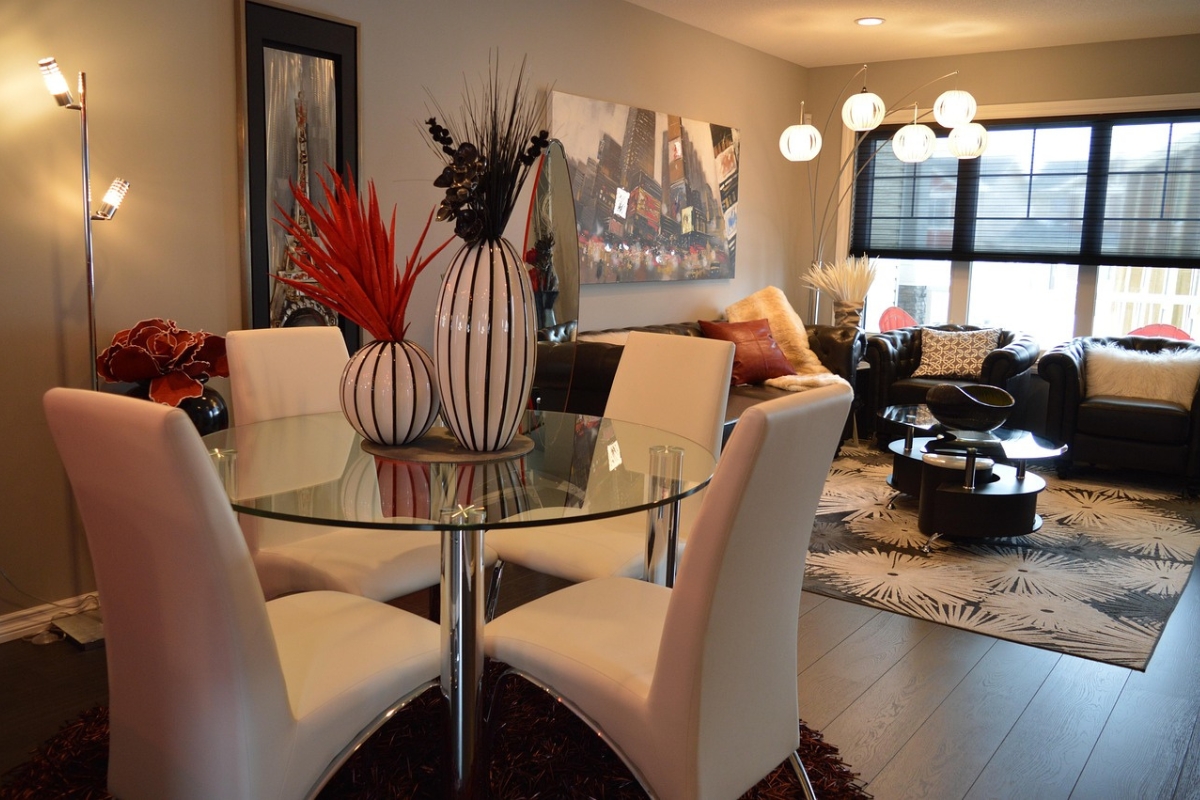
Big lighting in a dining room feels dramatic in the best way.
An oversized pendant or chandelier immediately fills that awkward empty ceiling space and balances sharp architectural lines.
Why it works: People love rooms that feel intentional. A large fixture anchors the space and makes everything else look curated.
Personal insight: I was terrified to go big. I measured it three times. I still panicked when it arrived. But once it was up? Instant confidence boost for the whole room.
Real-life example: When guests walk in, they look up first. Every single time.
Practical tip: Choose a fixture that’s about half to two-thirds the width of your table.
User experience boost: It visually “hugs” the table, making meals feel intimate and cozy rather than floating in space.
Soften Sharp Rooms with Curves
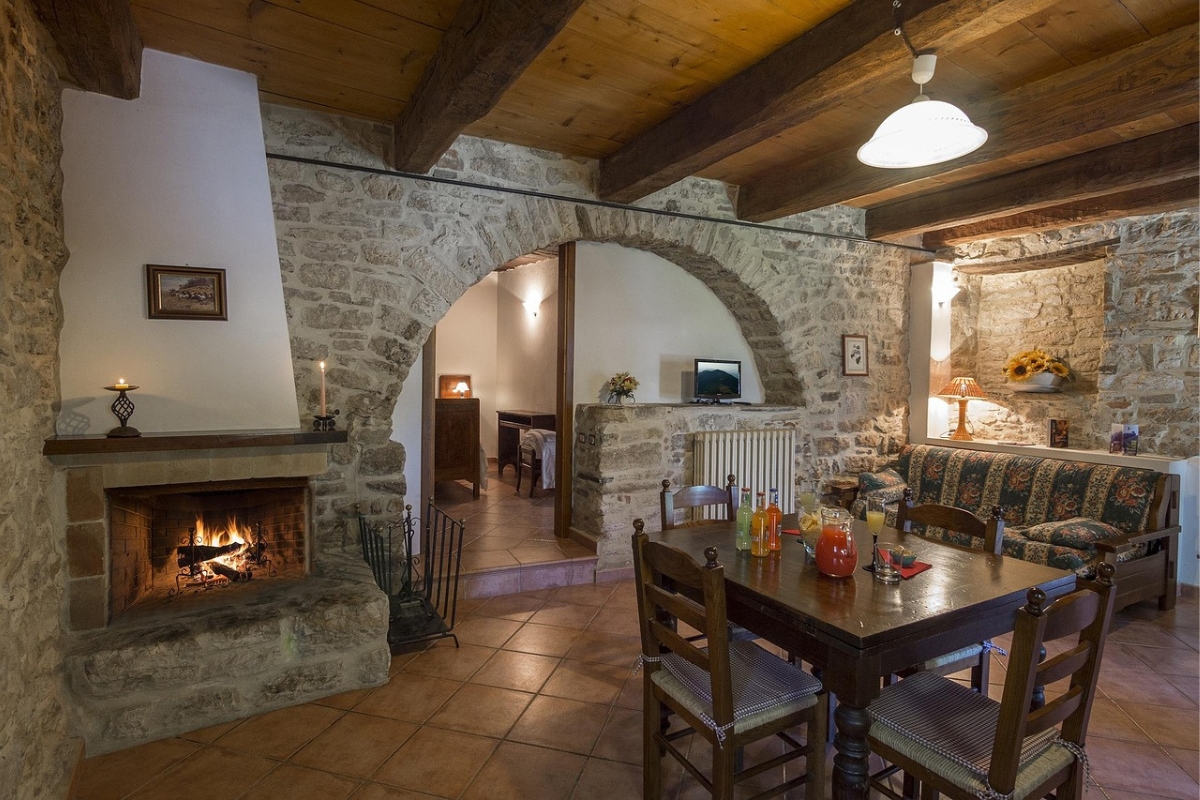
If your room is boxy (hello, mine 👋), bring in curves.
Round chandeliers, globe pendants, or organic shapes counterbalance all those hard lines.
Why it works: Curves subconsciously feel welcoming and relaxed.
Personal insight: My dining room had zero curves. Zero. Adding a globe fixture instantly made it feel less like a conference room.
Real-life example: Even weeknight pasta feels softer under rounded lighting.
Practical tip: Pair a round fixture with a rectangular table for contrast.
User experience boost: The space feels less rigid, encouraging longer, more comfortable dinners.
Layered Lighting = Mood Magic
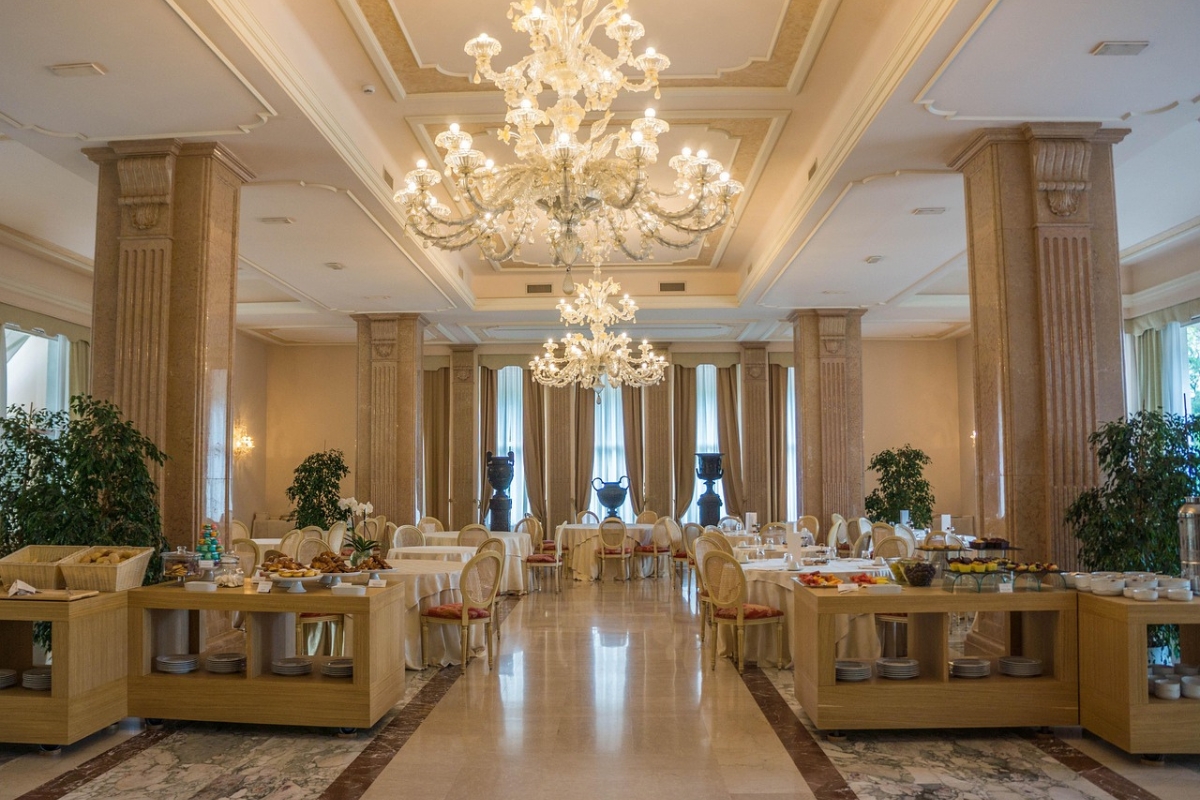
Don’t let your statement piece do all the work.
Add wall sconces, candles, or a dimmer to build layers.
Why it works: Layered light creates depth and dimension — it feels intentional and luxurious.
Personal insight: Once I installed a dimmer, I wondered how I ever lived without one.
Real-life example: Bright for homework. Dim for wine night. Same room, different vibe.
Practical tip: Always install a dimmer switch. Always.
User experience boost: You can adjust the room to fit your lifestyle, not the other way around.
Linear Fixtures for Long Tables
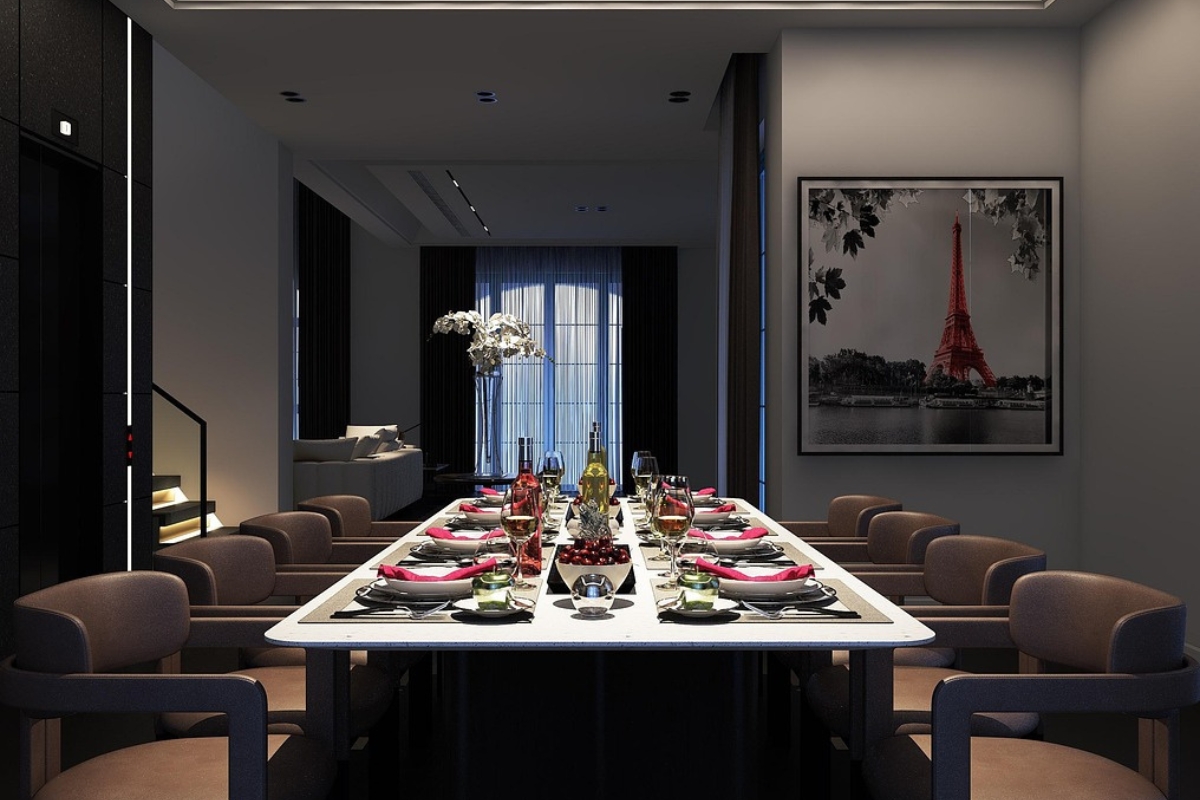
Have a long rectangular table? Consider a linear chandelier.
It stretches across the table and mirrors its shape.
Why it works: It creates visual symmetry that feels satisfying and polished.
Personal insight: I tried a single pendant first. It looked… lonely. A linear fixture solved everything.
Real-life example: No more awkward dark corners during dinner parties.
Practical tip: Make sure it’s centered to the table, not the room.
User experience boost: Even lighting across every seat = happier guests.
Mixed Materials for Personality
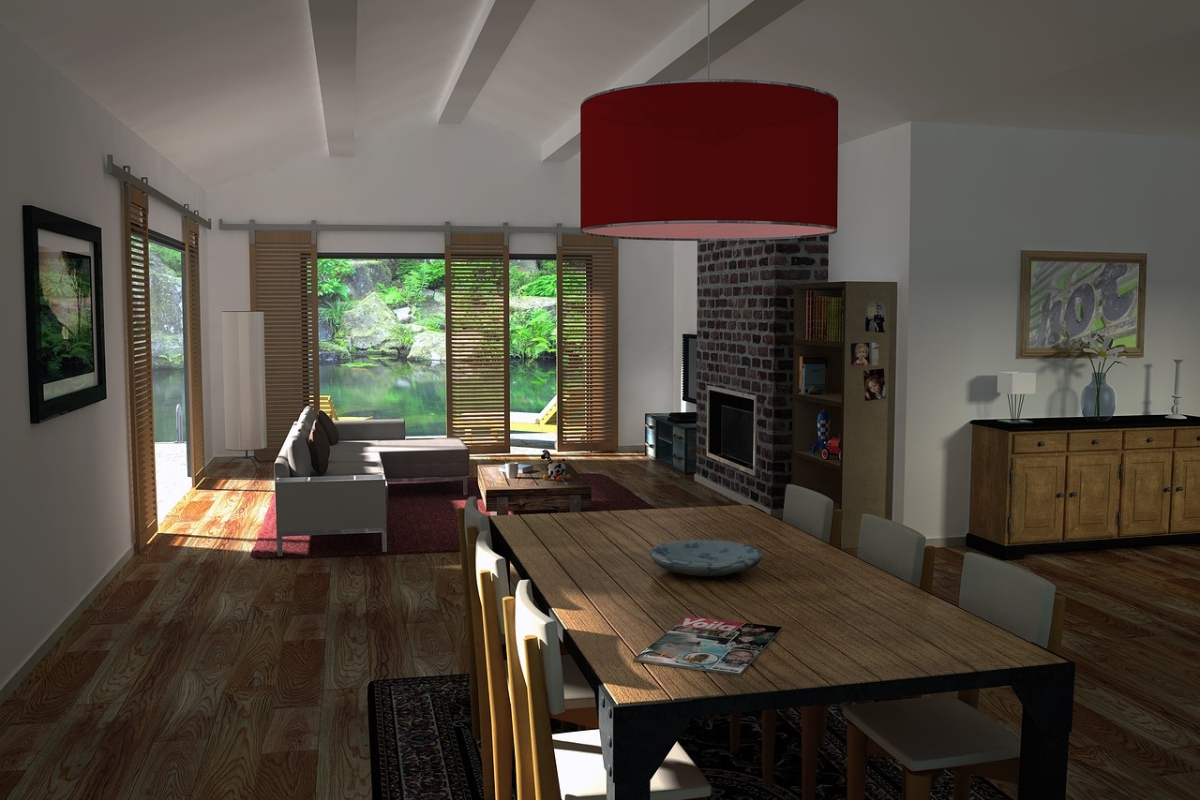
Think metal and glass, rattan and brass, matte black and linen.
Texture in lighting adds warmth and depth.
Why it works: Mixing materials makes the space feel layered and less “catalog perfect.”
Personal insight: I swapped a basic chrome fixture for a woven pendant and instantly felt more me.
Real-life example: Daytime sunlight filtering through woven shades? Dreamy.
Practical tip: Tie the fixture material to one other element in the room for cohesion.
User experience boost: Texture creates visual interest, so the room feels inviting even before food hits the table.
Play with Height (But Not Too Much)
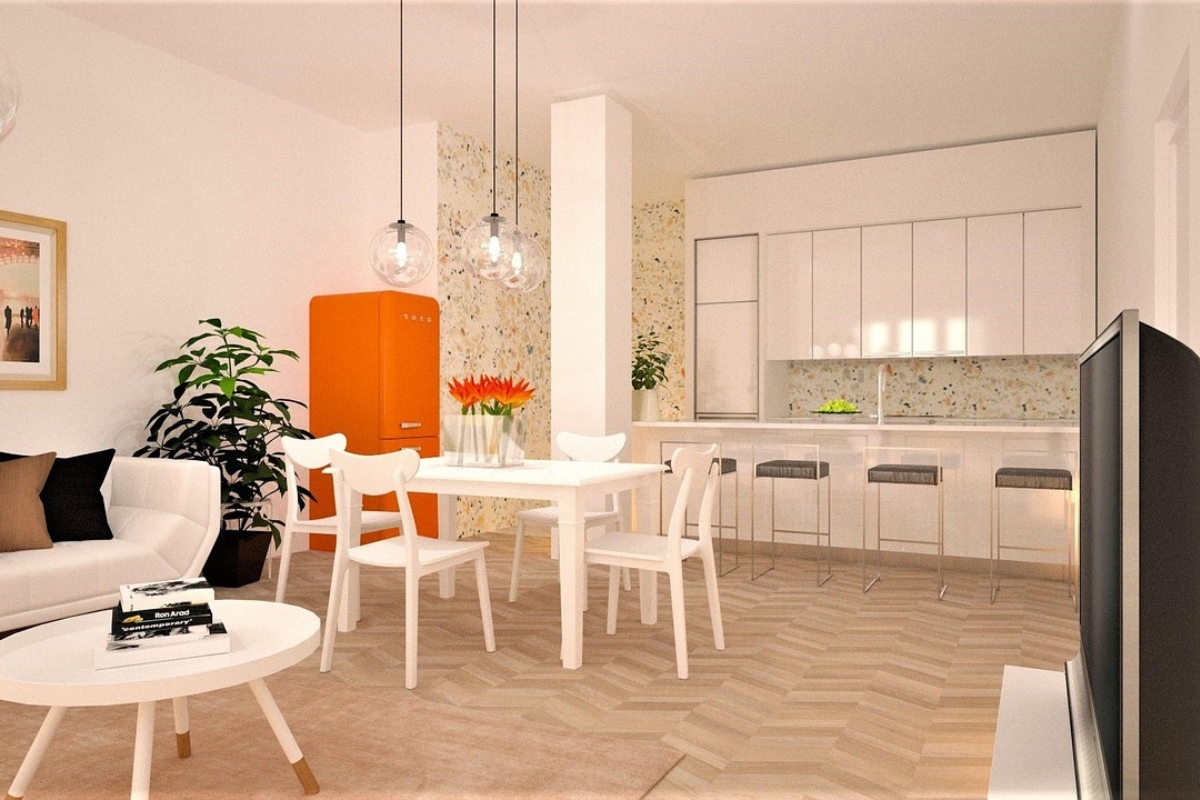
Hanging your fixture at the right height is everything.
Too high = disconnected. Too low = forehead hazard.
Why it works: Proper height creates intimacy without blocking sightlines.
Personal insight: My husband is tall. We tested clearance thoroughly.
Real-life example: No one wants to duck mid-toast.
Practical tip: Hang the bottom of the fixture about 30–36 inches above the table.
User experience boost: Comfortable eye contact across the table makes conversation flow naturally.
Sculptural Lighting as Art
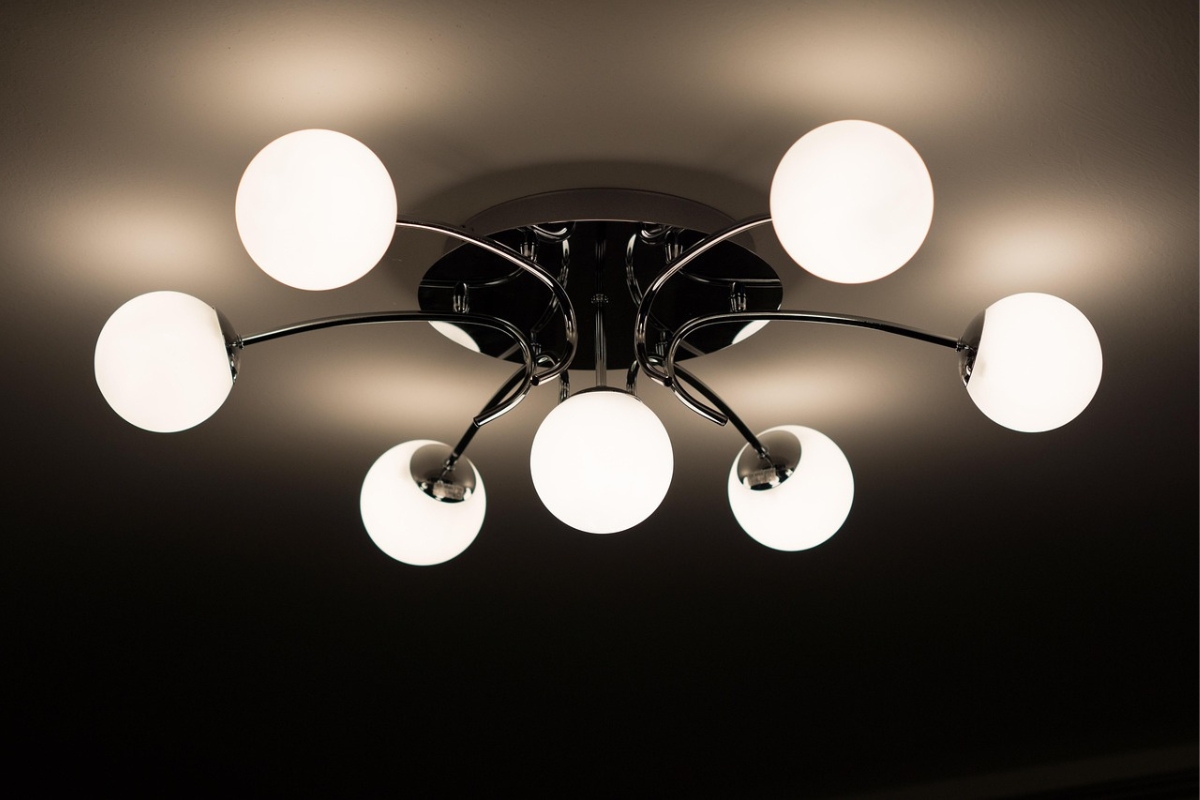
Choose a fixture that feels like art.
Branching chandeliers, abstract forms, or unexpected shapes turn lighting into conversation starters.
Why it works: It doubles as décor and a focal point.
Personal insight: I realized I didn’t need more wall art — my ceiling had it covered.
Real-life example: Guests ask where it’s from before they ask what’s for dinner.
Practical tip: Keep other décor simple if the fixture is bold.
User experience boost: A strong focal point reduces visual clutter and creates design clarity.
Warm Bulbs Only (Trust Me)
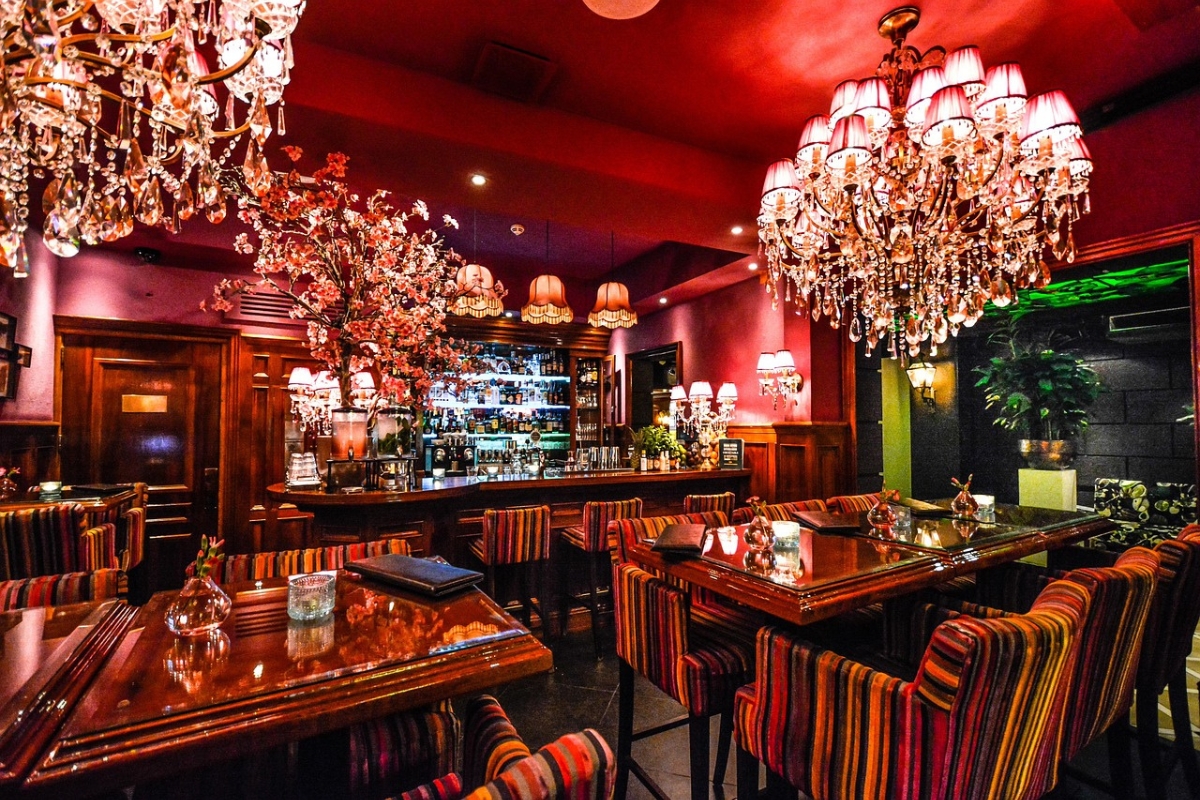
Lighting temperature changes everything.
Warm light (around 2700K–3000K) makes skin tones glow, and food look delicious.
Why it works: Cool light feels harsh and clinical — not exactly “seconds, please!”
Personal insight: I once had bright white bulbs. My lasagna looked sad. Never again.
Real-life example: Candlelit warmth without the fire hazard.
Practical tip: Check bulb specs before installing — don’t assume.
User experience boost: Flattering lighting enhances comfort and appetite.
Double Down in Larger Rooms
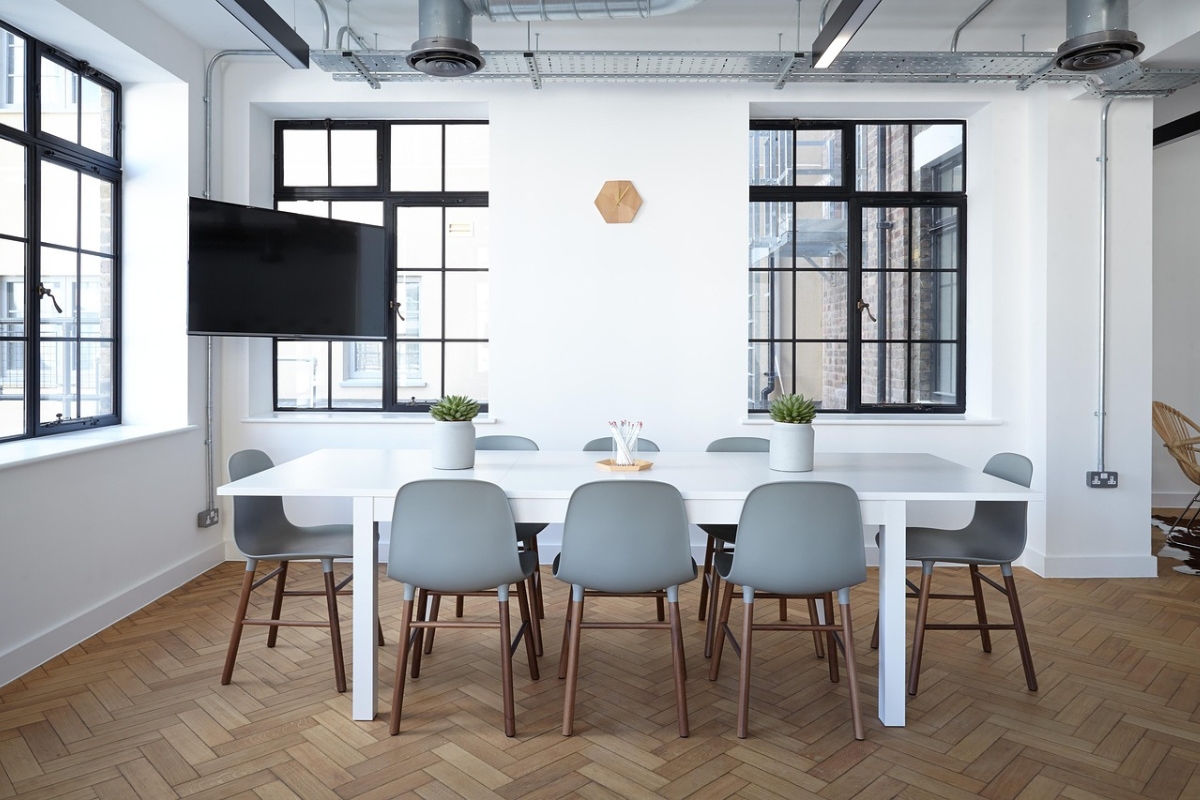
Have a big dining space? Consider two matching fixtures.
It feels intentional and fills visual gaps.
Why it works: Repetition creates rhythm and balance.
Personal insight: I’ve seen this in open-concept homes, and it always looks elevated.
Real-life example: Two pendants over an extended table during holidays = chef’s kiss.
Practical tip: Keep spacing even and consistent.
User experience boost: Balanced lighting prevents one side of the table from feeling forgotten.
Design Around Lifestyle, Not Just Looks
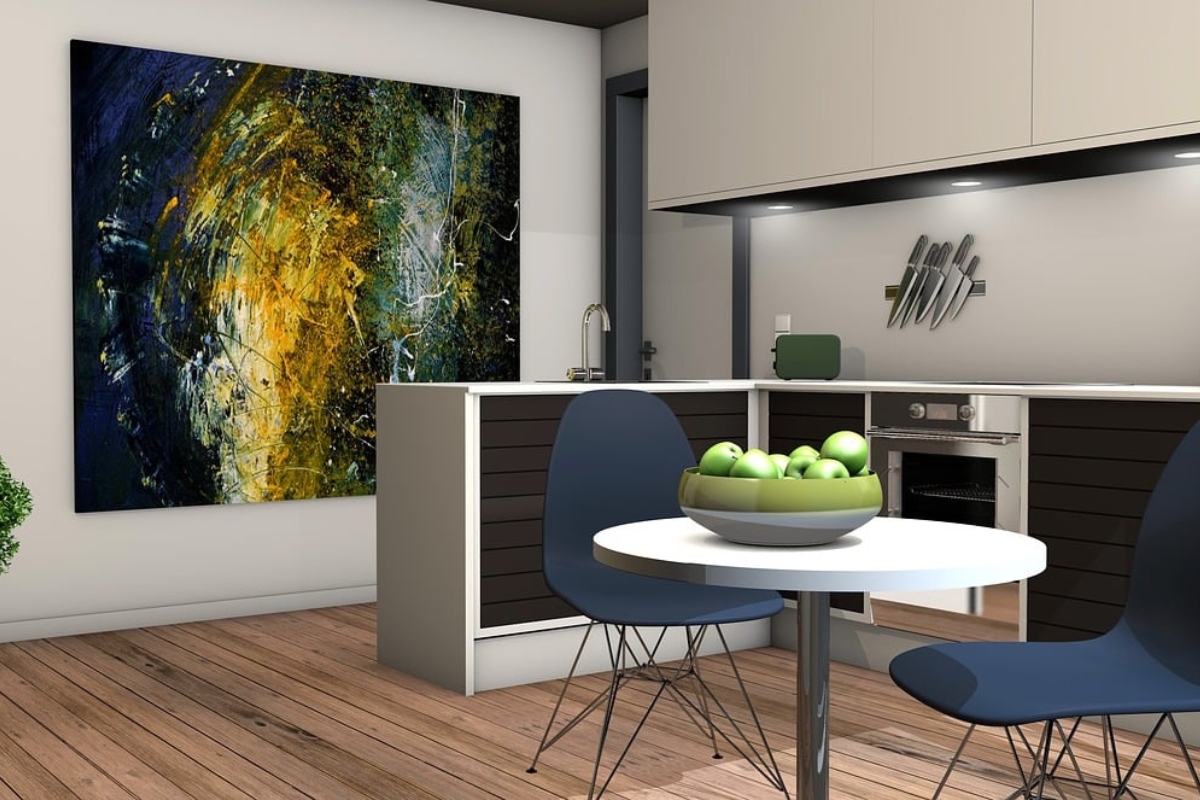
This one matters most.
Are you hosting dinner parties weekly? Doing crafts with kids? Working from the table?
Why it works: A beautiful fixture that doesn’t fit your lifestyle becomes frustrating fast.
Personal insight: I needed something dimmable and easy to clean. Real life > Pinterest perfection.
Real-life example: Fingerprints on glass globes are very real.
Practical tip: Choose finishes that are low-maintenance for your household.
User experience boost: When lighting supports how you actually live, the room feels effortless instead of staged.
Personal Experience: Upgrading My Dining Room Lighting
When I first upgraded my Dining Room Statement Lighting, I was using a simple ceiling light that did the job, but added no character. The room felt flat and uninspiring, especially during evening meals.
I decided to install a low-hanging pendant light above the dining table with warm-toned bulbs. The transformation was immediate. The light created a focused, cozy atmosphere, and the dining area suddenly felt more intimate and stylish.
What surprised me most was how much it changed daily life. Meals felt more enjoyable, and even casual dinners had a more refined ambiance. This experience taught me that lighting is not just about visibility — it’s about creating mood and enhancing the overall dining experience.
Real-Life Example: Statement Lighting in a Modern Home
A friend of mine recently redesigned his dining room and made statement lighting the focal point. Instead of traditional lighting, he installed a geometric chandelier directly above the dining table.
He also added:
- Soft wall sconces for ambient lighting
- Dimmable controls for flexibility
- Warm light tones for comfort
The result was stunning. The dining area became the highlight of the home, drawing attention immediately when guests entered.
This reflects a common design approach where a bold light fixture anchors the space and creates a strong visual identity. Experts also suggest that a central statement light helps define the dining zone and adds depth to the overall design.
Case Study: Dining Room Lighting Transformation
Background
A homeowner wanted to redesign their dining room because it lacked personality and felt poorly lit. The space relied on a single overhead light, creating harsh shadows and an uninviting atmosphere.
Solution
The redesign focused on Dining Room Statement Lighting principles:
- Installed a large sculptural chandelier as the centerpiece
- Added layered lighting (ambient + accent lights)
- Positioned the fixture correctly above the table for balance
- Used warm lighting to enhance comfort
Outcome
The transformation was dramatic:
- The room became warmer and more inviting
- Lighting improved both functionality and aesthetics
- The dining table became the natural focal point
Design experts emphasize that layering light — combining ambient, task, and accent lighting — creates a more balanced and visually appealing dining space.
This case study proves that the right lighting strategy can completely redefine a dining room’s look and feel.
Outbound Links (Add Naturally in Content)
Use these high-authority links inside your article for SEO:
- https://www.archdaily.com
👉 For architectural and lighting design principles - https://www.dezeen.com
👉 For modern lighting trends and statement fixtures - https://www.livingetc.com
👉 For stylish dining room lighting ideas - https://www.homesandgardens.com/interior-design
👉 For the latest dining room trends and expert insights
✍️ Example Usage
👉 For more inspiration on statement lighting design, explore ideas from ArchDaily:
https://www.archdaily.com
👉 To discover the latest dining room lighting trends, visit Livingetc:
https://www.livingetc.com
Author Credibility
I’m Md. Sohel Parvez, Pinterest Marketing Manager and content creator at SilkRaj.com.
With years of experience researching interior design trends and applying practical home styling techniques, I focus on helping readers create spaces that are both functional and visually inspiring.
From experimenting with lighting layouts to analyzing modern decor trends, my goal is to provide trusted, actionable, and easy-to-follow design insights. I believe that elements like lighting play a crucial role in shaping how we experience our homes every day.
Final Thoughts: Choose for Your Space (and Your Life)
Statement lighting can completely change a dining room — especially those boxy, sharp-cornered spaces that need softening. It adds warmth, personality, and intention in one single move.
But here’s the key:
Choose based on your room size, ceiling height, table shape, and — most importantly — how you actually use the space.
A grand chandelier in a tiny room might overwhelm. A delicate pendant in a large space might disappear. And the most gorgeous fixture in the world won’t matter if it doesn’t work for Tuesday night tacos.
Design around the perfect fixture — but let your lifestyle lead.
No,w excuse me while I dim the lights and pretend every meal is a dinner party.
Read More: