Introduction:
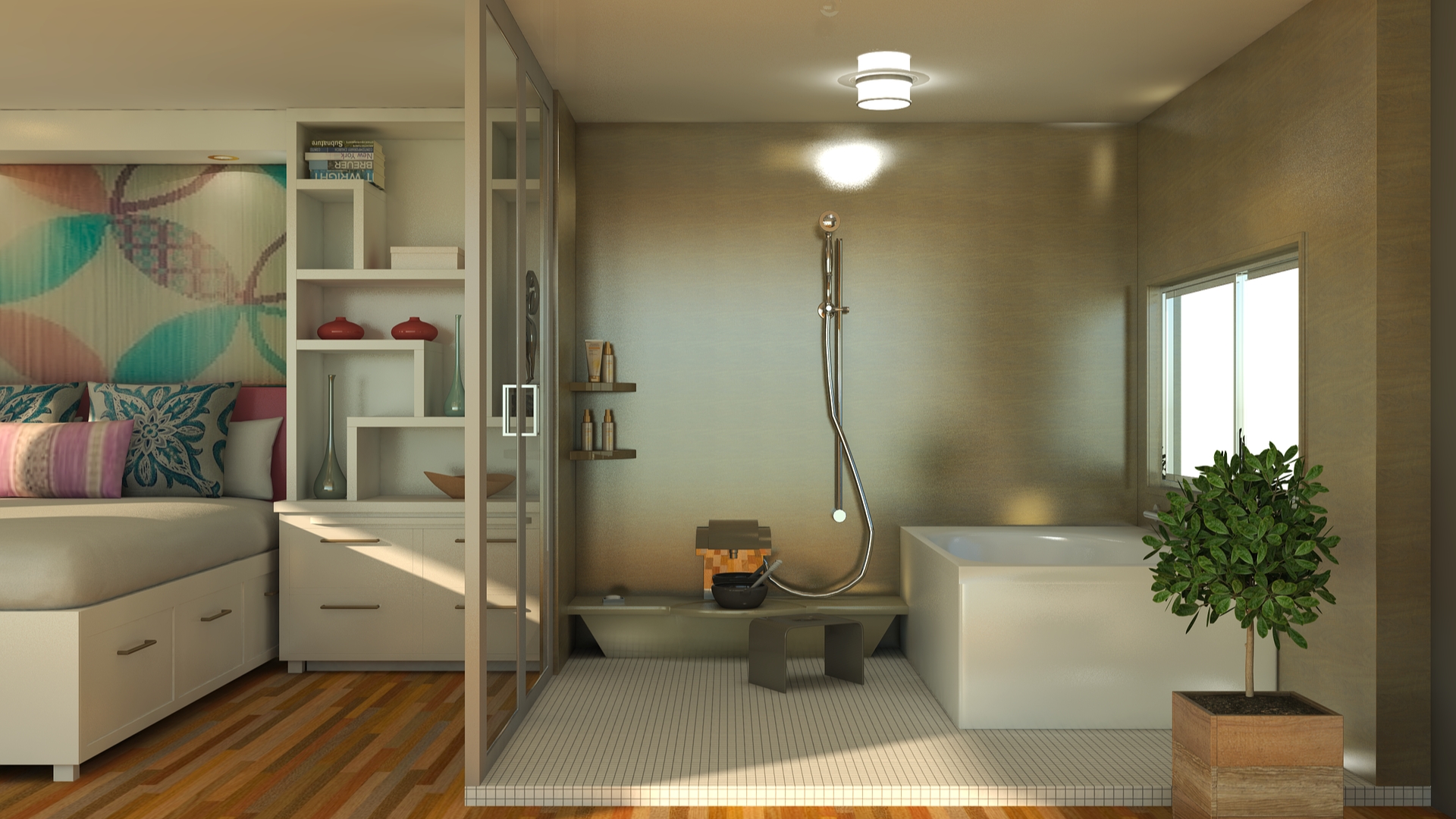
Japandi bathroom design is one of the most popular interior trends for 2026, combining the simplicity of Japanese aesthetics with the warmth of Scandinavian style. This fusion creates a space that feels calm, functional, and beautifully minimal.
With a focus on natural materials, soft color palettes, and clutter-free layouts, Japandi bathrooms are designed to promote relaxation and mindfulness. In today’s fast-paced world, this style offers a perfect balance between modern elegance and everyday comfort, making it ideal for both small and large bathrooms. Can we talk about how traditional dining rooms sometimes feel like they’re waiting for a merger proposal instead of mashed potatoes? You walk in, straighten your posture, whisper something about “linen napery,” and hope your fork doesn’t clink too loudly.
Interestingly, bathrooms used to carry that same stiff energy — cold tiles, harsh lighting, and zero personality. However, in 2026, Japandi bathrooms are telling a different story: breathe, relax, glow.
Japandi — the harmonious blend of Scandinavian coziness and Japanese simplicity — continues to evolve. With soft textures, gentle curves, and clean lines, this style is transforming ordinary bathrooms into calming, modern retreats. Here’s how.
Soft-Edge Sanctuaries: Curves Over Corners
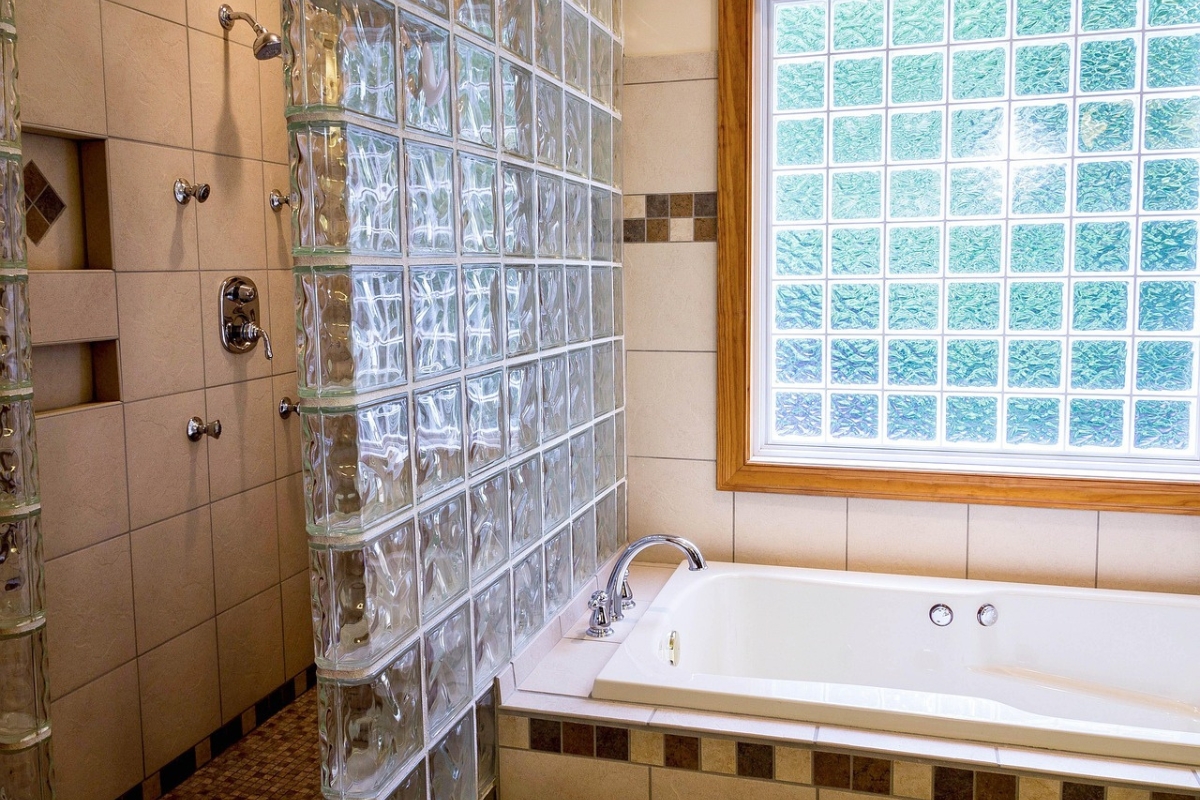
Instead of sharp 90-degree angles, homeowners are choosing rounded vanities, oval mirrors, and arched niches. As a result, bathrooms instantly feel softer and more welcoming.
Curves naturally slow the eye and calm the mind. I didn’t realize how harsh my old square vanity looked until I replaced it — suddenly, the whole room felt lighter.
Tip: Start small by swapping a rectangular mirror for a round one. Even subtle curves can make compact bathrooms feel more spacious and fluid.
Warm Woods That Whisper, Not Shout
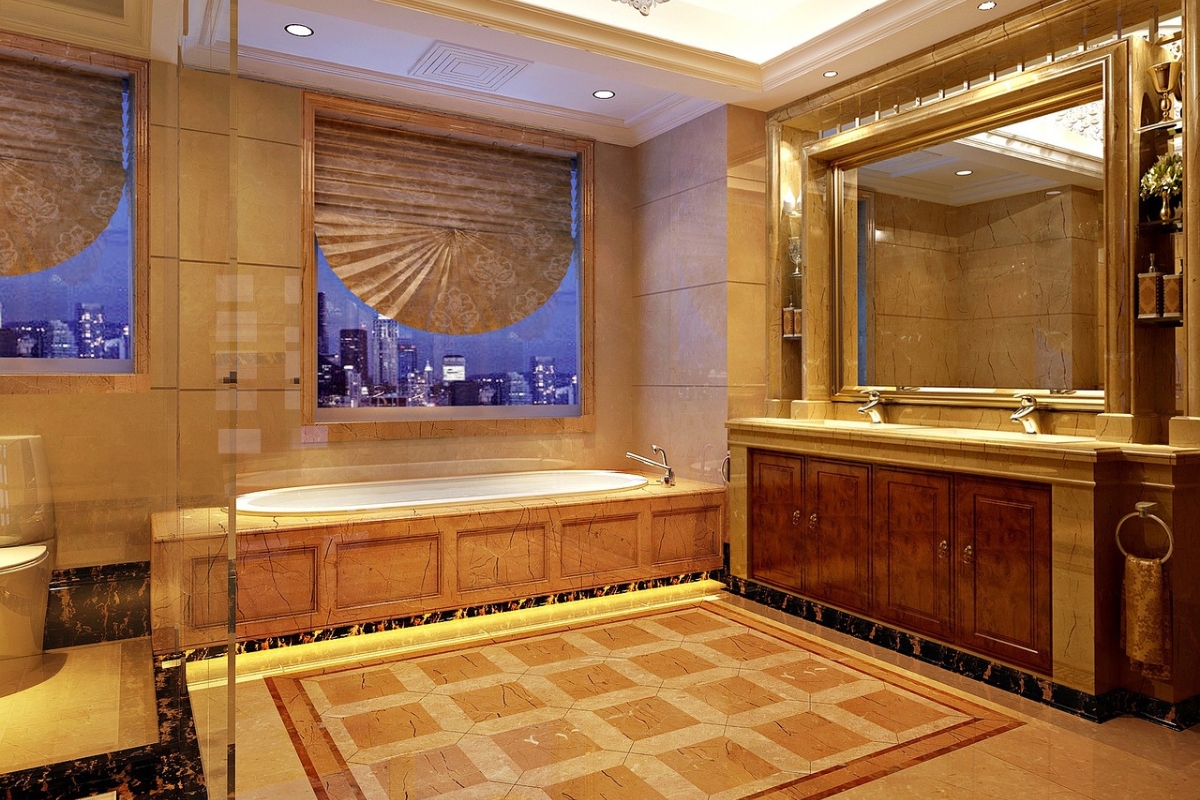
Light oak, ash, and walnut in matte finishes are replacing glossy surfaces in modern bathrooms. This shift adds warmth while keeping the space simple and clean.
The difference is subtle but important. Wood accents help turn a “modern clinic” look into a calm retreat. Even a small wooden bath tray or stool can add softness without much cost.
Because wood balances hard surfaces like tile and glass, it creates a more inviting and grounded atmosphere.
Stone That Feels Like a Spa
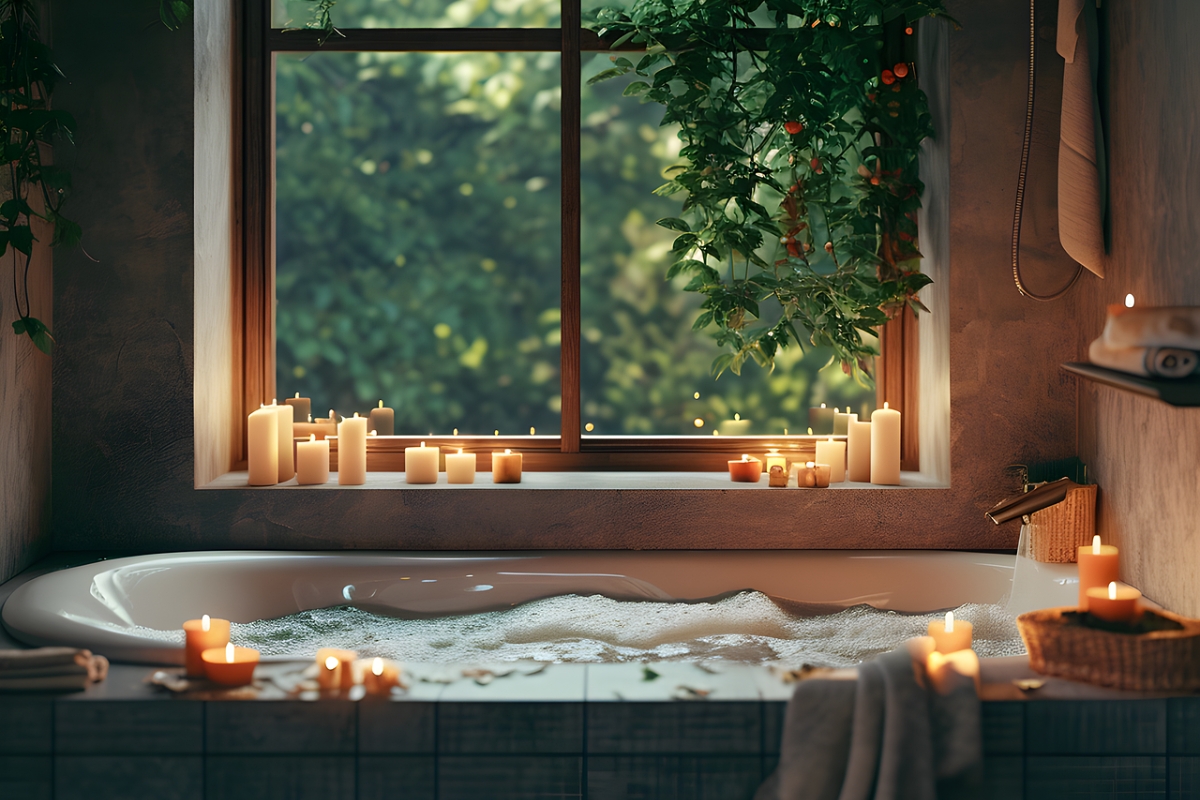
Limestone tiles, travertine counters, and textured stone sinks introduce a quiet, natural depth that instantly softens a bathroom’s overall look. Their subtle variations in tone and texture add character without overwhelming the space. Unlike highly polished finishes, matte stone surfaces reduce glare and visual strain, creating a calmer and more comfortable environment.
Even if authentic stone isn’t within budget, high-quality porcelain alternatives can recreate the same organic appearance and soothing feel. The key is choosing finishes with gentle texture and muted tones. In the end, incorporating natural materials—real or replicated—helps promote a sense of serenity, balance, and effortless flow throughout the space.
Floating Vanities = Floating Stress Away

Wall-mounted vanities open up visible floor space, instantly making a bathroom feel larger, lighter, and more open. By lifting the cabinetry off the ground, they reduce visual heaviness and eliminate bulky bases that tend to collect dust and clutter. The clean lines create a streamlined look that feels modern yet airy.
To enhance this floating effect, soft LED strips can be installed underneath the vanity. The subtle lighting not only highlights the design but also provides a warm, ambient glow in the evening. This combination of smart design and gentle illumination adds both functionality and a refined, spa-like atmosphere to the space.
Muted Earth Palettes
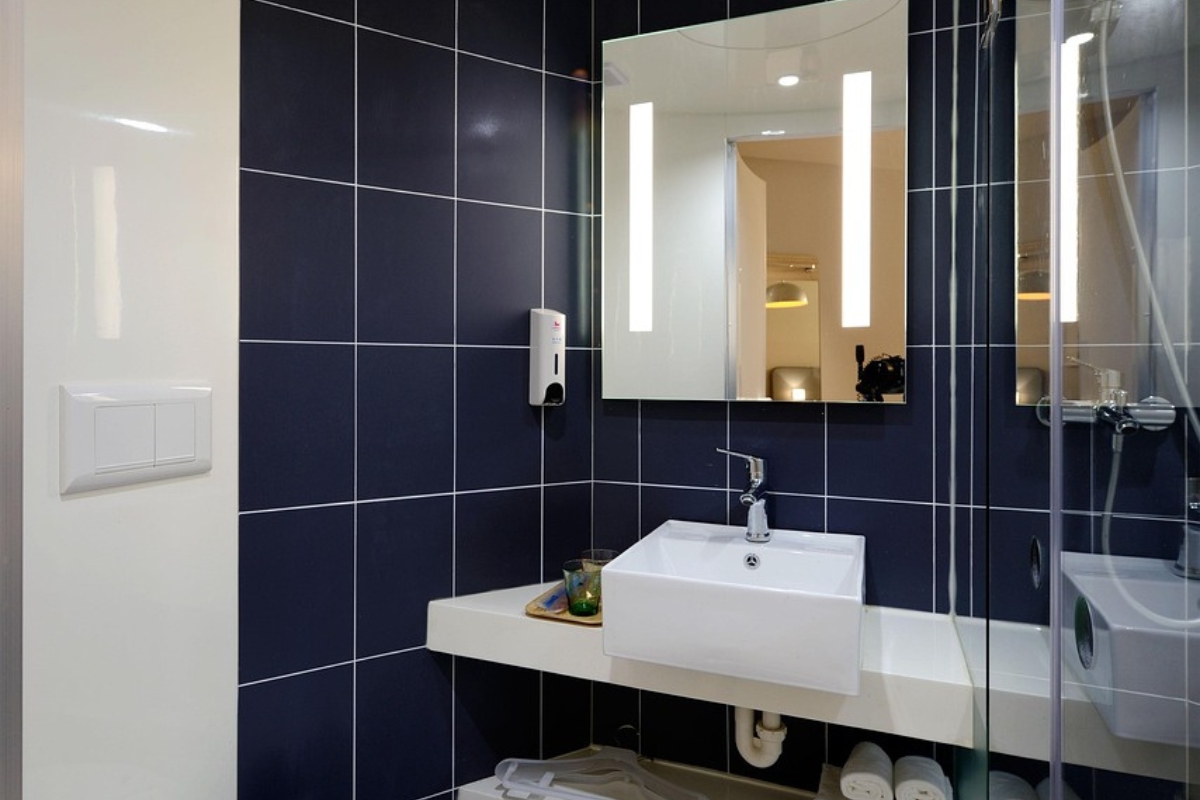
In 2026, cool grays are gradually being replaced by warmer, more organic tones like greige, moss green, clay beige, and soft charcoal. These colors feel grounded and comforting while still maintaining a light, breathable quality that suits modern spaces. Instead of the crisp, sometimes sterile feel of cooler palettes, these earthy hues create a softer and more welcoming atmosphere.
Gentle, muted shades also help reduce visual strain, making a space feel easier to move through and more relaxing to spend time in. They provide a calm, natural backdrop that pairs beautifully with wood, stone, and other textured materials. Best of all, paint remains one of the most affordable and impactful upgrades, allowing homeowners to refresh the mood of a room without a major investment.
Organic Lighting Layers
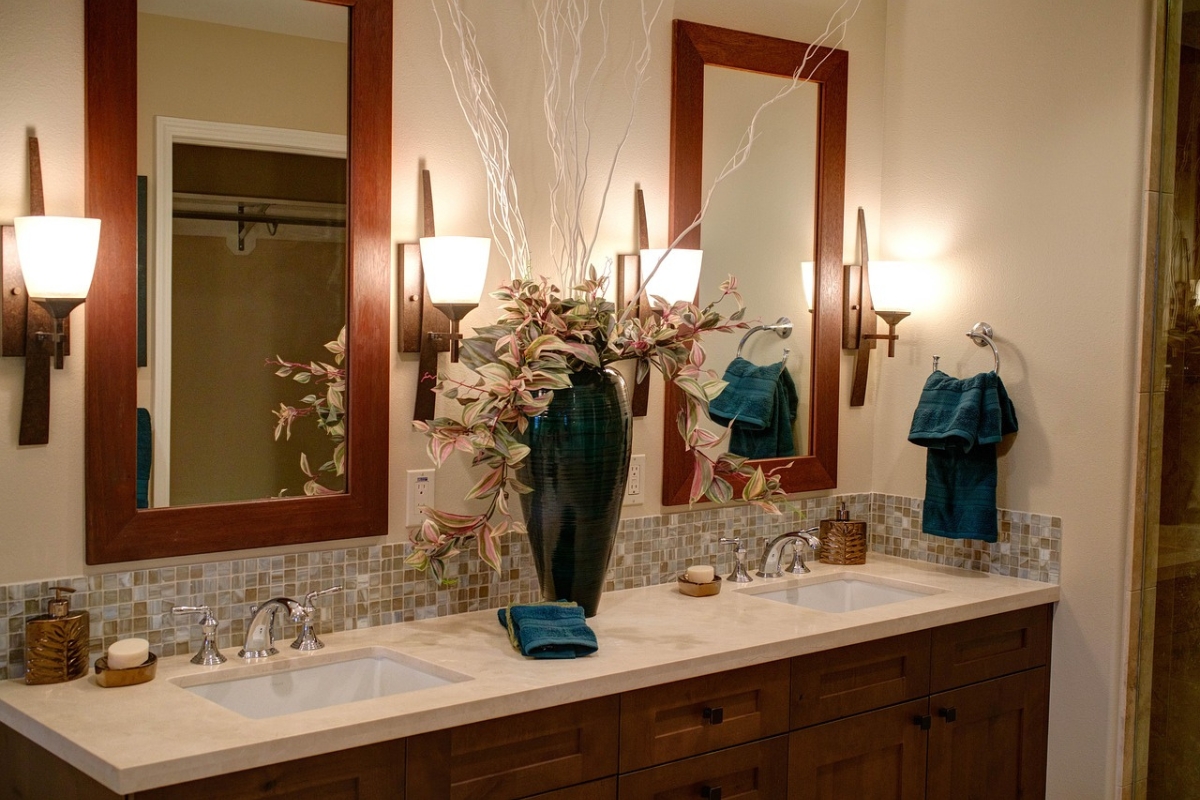
Harsh overhead lighting is gradually being replaced by a more thoughtful, layered approach. Instead of relying on a single bright fixture, homeowners are incorporating concealed LEDs, wall sconces, and soft lantern-style lights to create a balanced and inviting atmosphere. This combination allows light to flow gently throughout the space rather than casting sharp, unflattering shadows.
Layered lighting improves both function and mood. It brightens key areas when needed while maintaining a warm, comfortable glow in the background. Adding dimmers makes the setup even more versatile, allowing you to transition from bright, practical lighting in the morning to a calm, spa-like ambiance in the evening with ease.
Minimal Hardware, Maximum Impact
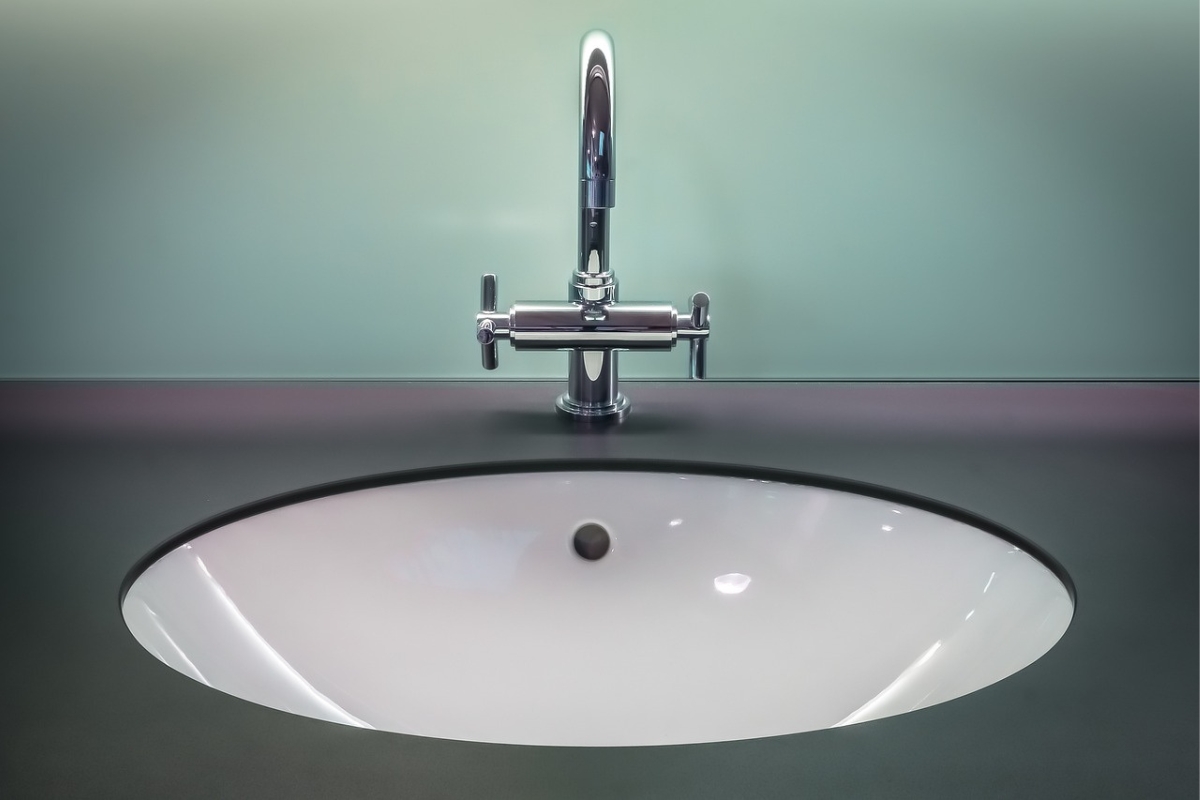
Slim handles in brushed brass or matte black introduce a refined touch without overpowering the overall design. These understated accents act like jewelry for the bathroom—small but impactful details that elevate the entire space.
Simply swapping out cabinet pulls is one of the easiest and most affordable updates you can make. It instantly modernizes the room while still preserving the clean, balanced simplicity associated with Japandi style.
Built-In Niches That Feel Intentional
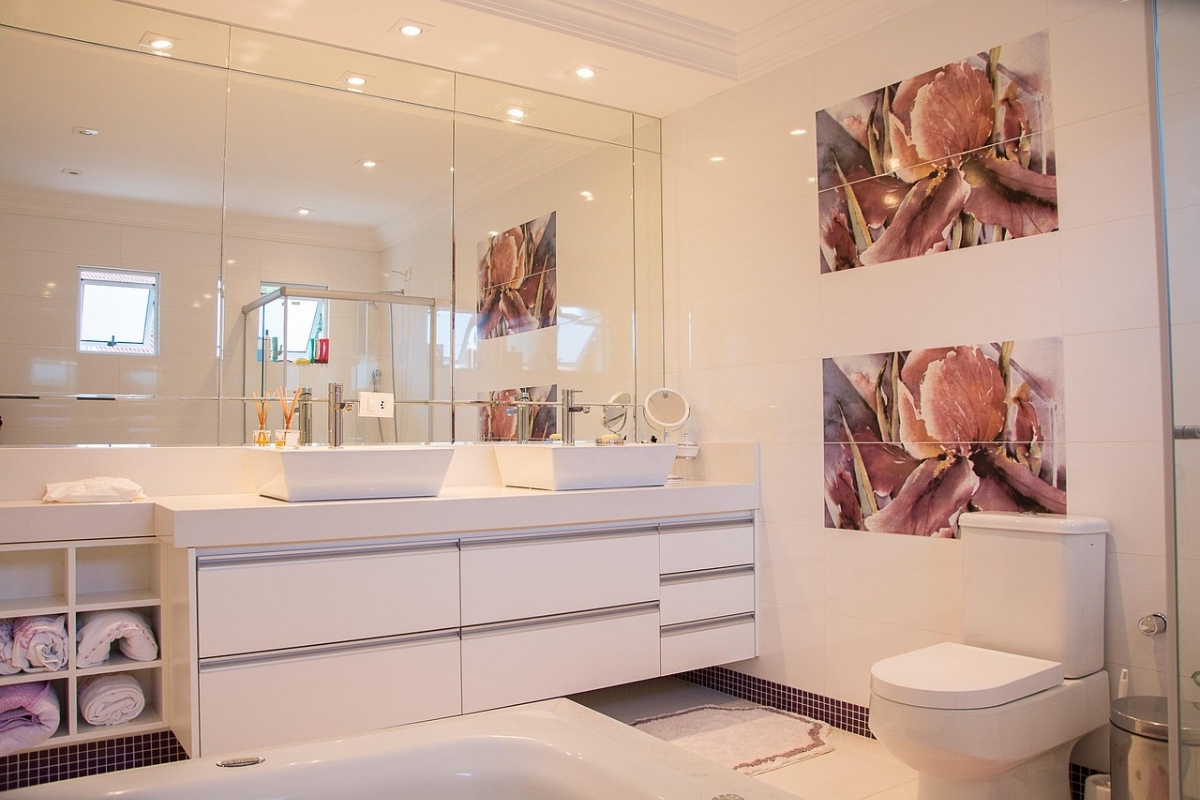
Recessed shower niches are replacing bulky hanging racks, creating a cleaner and more streamlined look. By building storage directly into the wall, surfaces stay organized and free from visual clutter.
Adding a subtly contrasting tile inside the niche introduces depth and quiet interest without overwhelming the design. The result is a bathroom that feels thoughtful, balanced, and intentionally styled rather than crowded.
Textiles That Add Quiet Luxury
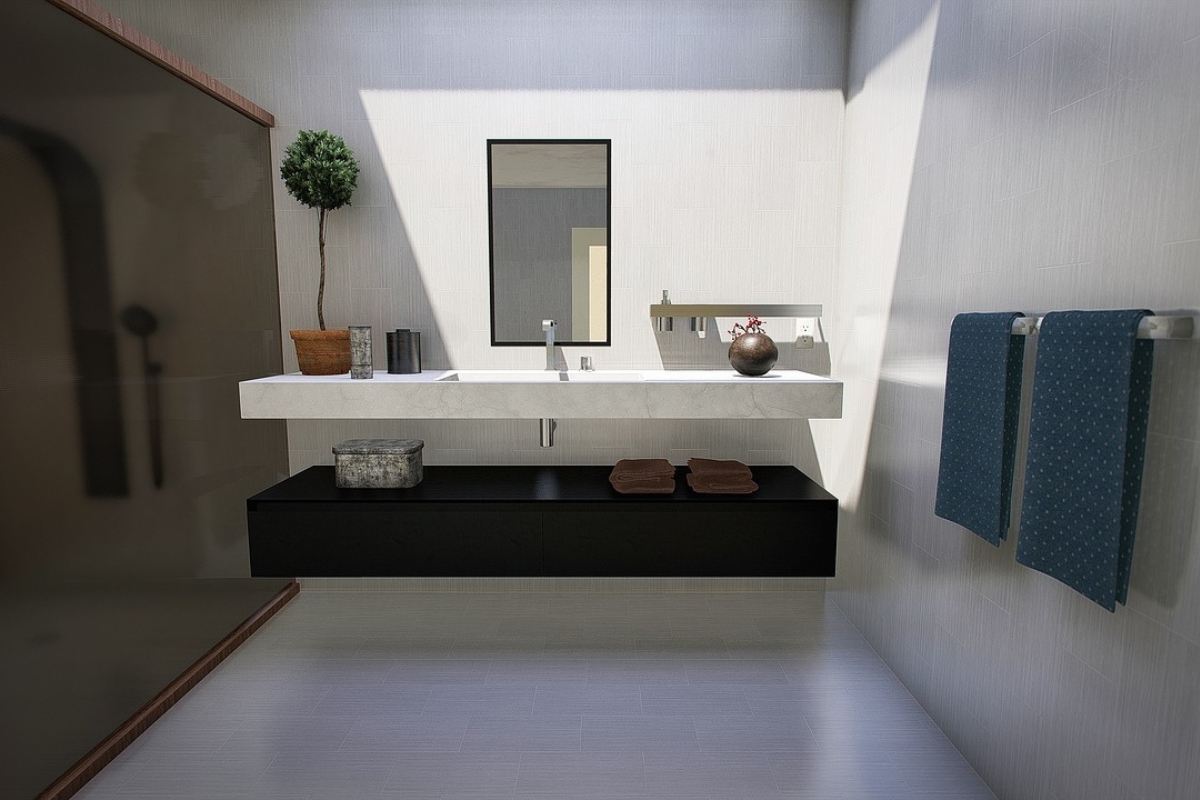
Woven bath mats, waffle towels, and linen shower curtains help soften sleek surfaces like tile, glass, and stone. These tactile elements add quiet warmth and prevent the space from feeling too stark. In Japandi design, texture is essential—it balances clean minimalism with comfort and depth.
Keeping these textiles within a neutral palette ensures the space remains cohesive and calming. Soft beiges, warm whites, and muted earth tones enhance sensory comfort while maintaining a simple, uncluttered aesthetic.
Nature Moments: Plants That Thrive in Steam
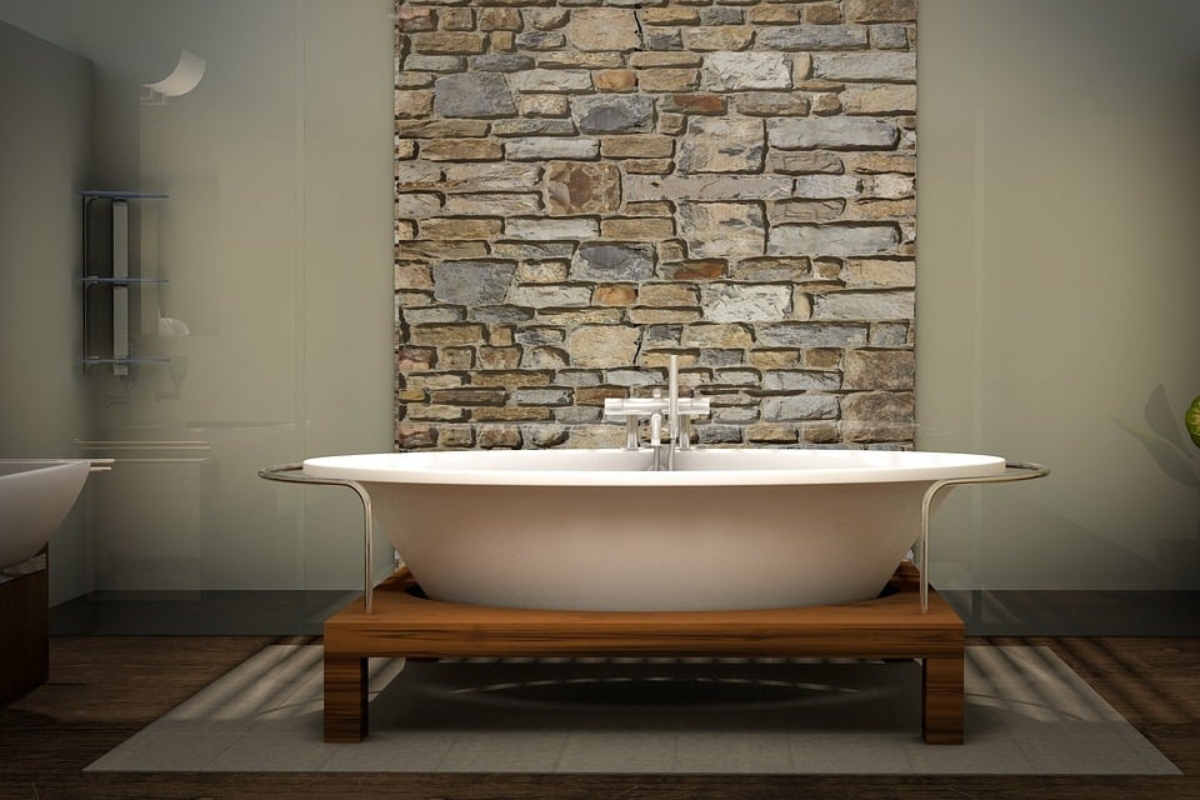
Humidity-loving plants such as pothos or ferns bring natural life into the bathroom, instantly softening hard surfaces and adding a sense of freshness. Their greenery creates a more airy, inviting atmosphere while breaking up rigid lines and textures.
Opting for low-maintenance varieties makes it easy to enjoy the benefits of plants without extra stress, keeping the space in line with the calm, balanced principles of Japandi design.
Choosing the Right Japandi Update for Your Budget
-
Budget-friendly: Round mirrors, curved lighting, and arched accessories.
-
Mid-range refresh: A floating vanity or softly arched shower entry.
-
Full sanctuary: Custom stone basins, sculptural tubs, and architectural arches.
To refine the vibe:
-
Opt for muted tones and delicate curves for minimal calm.
-
Layer rich woods and textures for cozy warmth.
-
Combine curves with sleek black hardware for a modern Japandi edge.
Ultimately, Japandi 2026 isn’t about perfection. Instead, it’s about creating a bathroom that feels less like a formal dining room and more like a personal retreat. And honestly, that kind of comfort is something we all deserve.
Personal Experience: Creating a Calm Japandi Bathroom
When I first experimented with a Japandi-style bathroom, my goal was to create a space that felt peaceful rather than purely functional. Initially, my bathroom had bright tiles and standard fixtures, but it lacked warmth and personality.
I started by introducing neutral tones, adding wooden accents, and replacing harsh lighting with soft, warm illumination. I also minimized clutter by using simple storage solutions and keeping only essential items visible.
The transformation was immediate. The bathroom began to feel like a calming retreat, not just a daily-use space. From this experience, I learned that Japandi design is not about adding more — it’s about removing excess and focusing on balance and harmony.
Real-Life Example: Minimal Japandi Bathroom Makeover
A friend of mine recently redesigned her bathroom using Japandi principles. Her original space felt crowded with too many accessories and mismatched elements.
She made a few key changes:
- Switched to a neutral color palette (beige, white, soft gray)
- Added wooden elements for warmth
- Used simple, clean-lined fixtures
- Reduced unnecessary decor
The result was a bathroom that felt more spacious, calm, and organized. She mentioned that her daily routine became more relaxing, and the space felt like a mini spa.
This real-life example shows how Japandi design can transform even a basic bathroom into a peaceful and functional environment.
Case Study: Japandi Bathroom Transformation
Background
A homeowner wanted to redesign their bathroom to reduce stress and create a more relaxing environment. The existing design was cluttered, with bold colors and heavy fixtures that made the space feel overwhelming.
Solution
The redesign focused on Japandi bathroom principles:
- Replaced bold colors with soft, neutral tones
- Introduced natural materials like wood and stone
- Installed minimal fixtures with clean lines
- Improved lighting with soft, ambient sources
Outcome
The bathroom became more open, शांत, and visually balanced. The homeowner reported feeling more relaxed during daily routines and noticed a significant improvement in overall comfort.
This case study highlights how Japandi design can create a harmonious and stress-free environment through simplicity and thoughtful design choices.
Author Credibility
I’m Md. Sohel Parvez, Pinterest Marketing Manager and content creator at SilkRaj.com.
With years of experience exploring modern interior design trends, I focus on creating content that blends aesthetic appeal with real-life functionality. My work involves researching global trends like Japandi design and applying them in practical, everyday settings.
Through personal experiments and continuous learning, I provide trusted, easy-to-follow, and actionable design insights that help readers create spaces that are both beautiful and meaningful.
Conclusion:
Japandi bathroom design is more than just a trend — it’s a lifestyle approach that emphasizes simplicity, balance, and calmness. By combining the best of Japanese minimalism and Scandinavian comfort, this style creates spaces that are both functional and emotionally soothing.
Whether you’re renovating your bathroom or making small updates, adopting Japandi principles can help you achieve a clean, modern, and relaxing environment. With the right balance of materials, colors, and lighting, your bathroom can become a true sanctuary in your home.
Outbound links:
Japandi & Interior Design Authority
- https://www.archdaily.com
👉 Use for: Japandi architecture & minimal design principles - https://www.dezeen.com
👉 Use for: Latest Japandi and bathroom design trends - https://www.livingetc.com
👉 Use for: Modern bathroom and interior styling ideas