Introduction
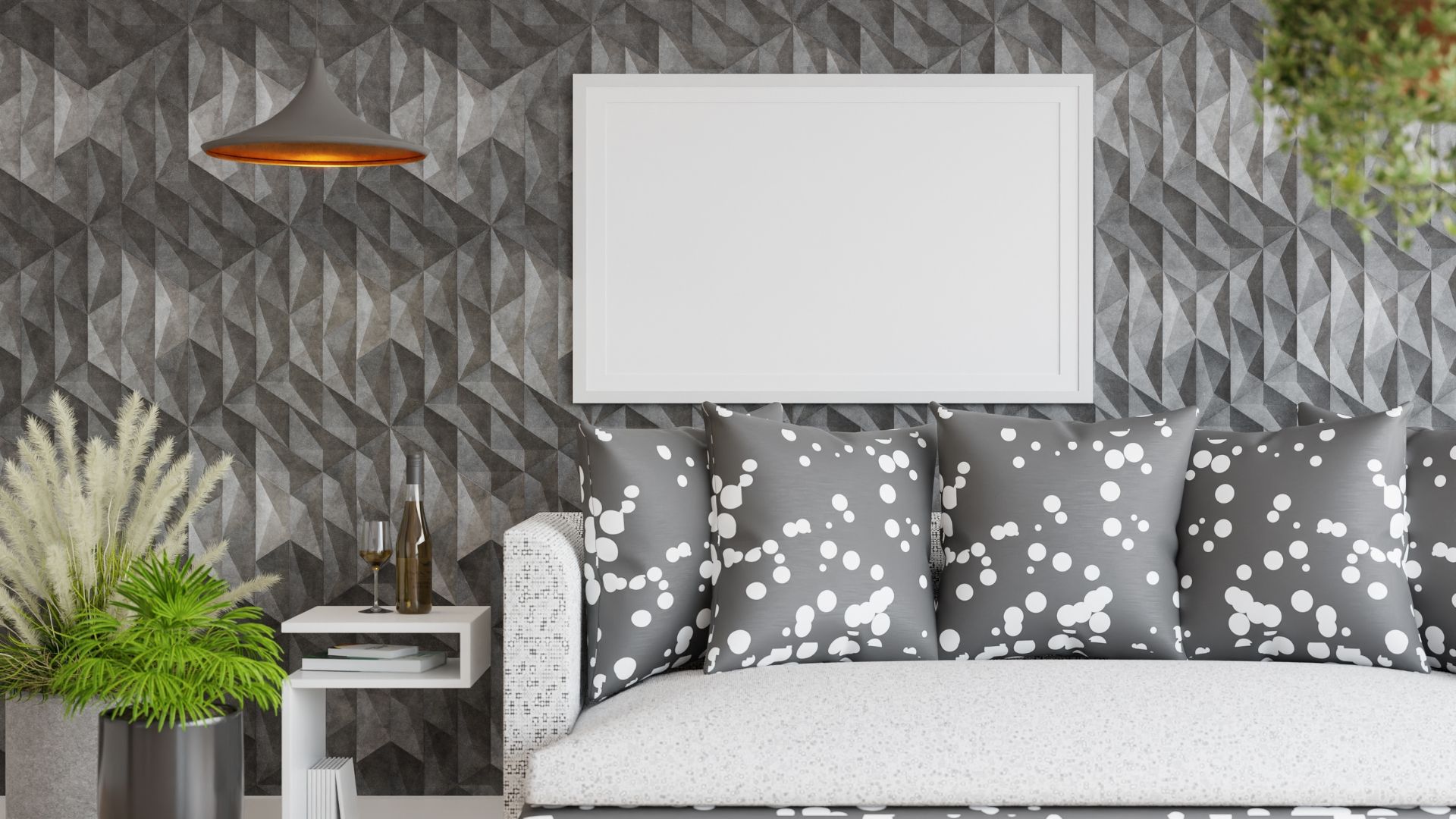
Wall layering design is becoming a popular interior styling approach that transforms plain walls into visually rich focal points. Instead of using a single artwork or paint color, designers combine textures, panels, shelves, artwork, and lighting to build depth. This layered approach creates balance, warmth, and personality while keeping spaces modern and cohesive.
For example, combining framed art with shelves, wall panels, and soft lighting can instantly upgrade a flat wall. Moreover, mixing materials like wood, fabric, and paint enhances visual interest. As a result, interiors feel more dynamic and thoughtfully designed. Designers often describe layering as combining textures, shapes, and materials to create depth and a more intentional space rather than leaving a room feeling flat. (Homes and Gardens)
Explore full inspiration here:
Why Layered Walls Are the Hottest Trend Right Now
Layered walls are gaining traction for a few big reasons:
Texture Creates Warmth
Minimalist homes and open-concept spaces are beautiful, but they can sometimes feel cold. Layered walls — whether with paneling, plaster, or tactile art — add physical depth and visual interest, instantly making a room feel cozy and intentional.
Personalization Is Key
People are moving away from cookie-cutter interiors. Layered walls allow homeowners to create a space that feels truly theirs. From DIY plaster finishes to curated gallery walls combined with floating shelves, the possibilities for personalization are endless.
Instagram & Pinterest Influence
Let’s be honest: a multi-dimensional wall is extremely “shareable.” Social media has pushed interiors toward looks that photograph beautifully, and layered walls consistently meet that standard.
Value Meets Design
Adding texture to walls doesn’t always require expensive materials. Even simple DIY slat panels or removable wall decals can create a “designer” look on a budget. This makes the trend accessible to renters and homeowners alike.
What Layered Walls Are & How They Work
A layered wall is all about dimension and depth. Think of it as a visual sandwich — multiple design elements stacked together to create a cohesive look. Some of the most common approaches include:
-
Architectural Paneling & Slats: Vertical, horizontal, or geometric wood slats add structural interest. They create shadows and lines that make a room feel modern and sophisticated.
-
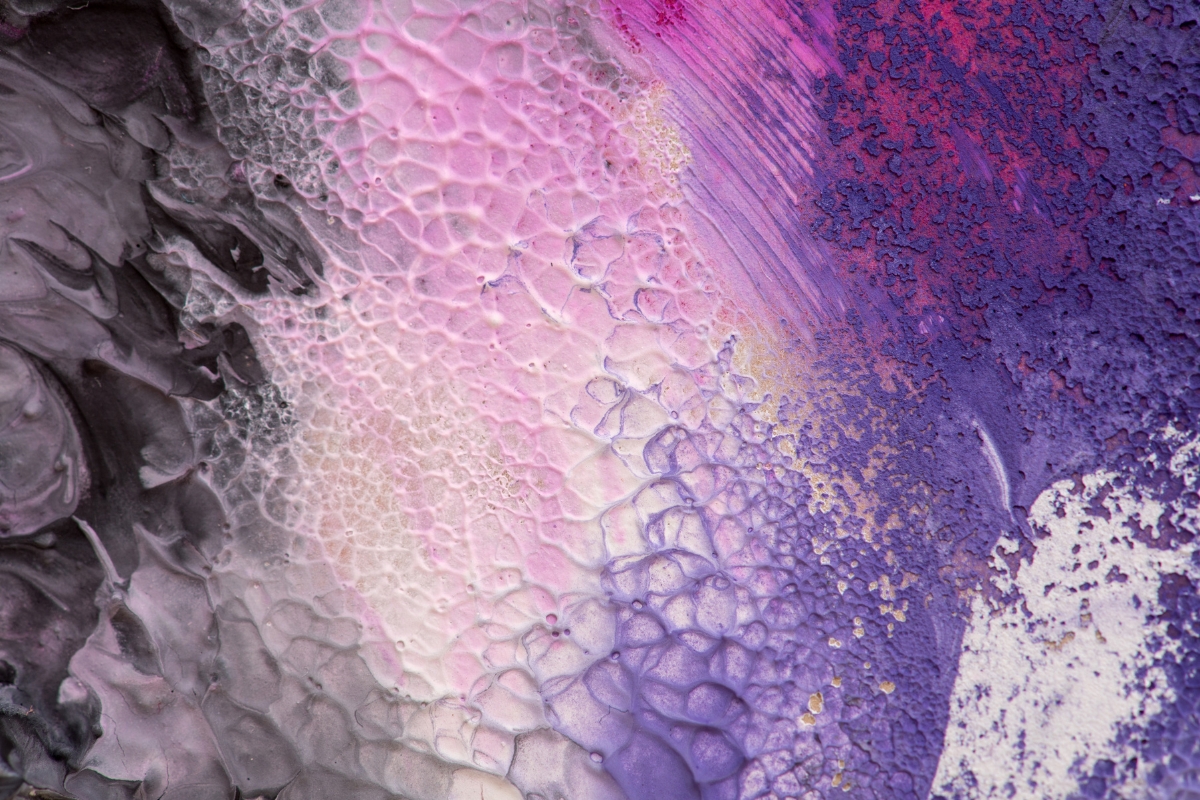
Textured Paint or Plaster: Limewash, clay, and plaster finishes add subtle depth. Matte finishes catch light differently than glossy walls, making a room feel soft and tactile.
-
Statement Art & Sculptural Objects: 3D wall hangings, ceramic discs, or woven textiles bring dimension and a handmade, artisanal feel.
-
Layered Shelving: Floating shelves with books, vases, and framed prints add both visual and functional layers.
-
Gallery Walls 2.0: Modern gallery walls use cohesive frames, grids, or thematic clusters to create an intentionally layered look.
By combining two or more of these elements, you get a multi-dimensional effect that transforms a simple wall into a statement piece.
Creating Layered Walls at Home
Layered walls can sound intimidating at first, but you don’t need to be a professional. Here’s how to approach it step by step:
Pick Your Wall “Hero”
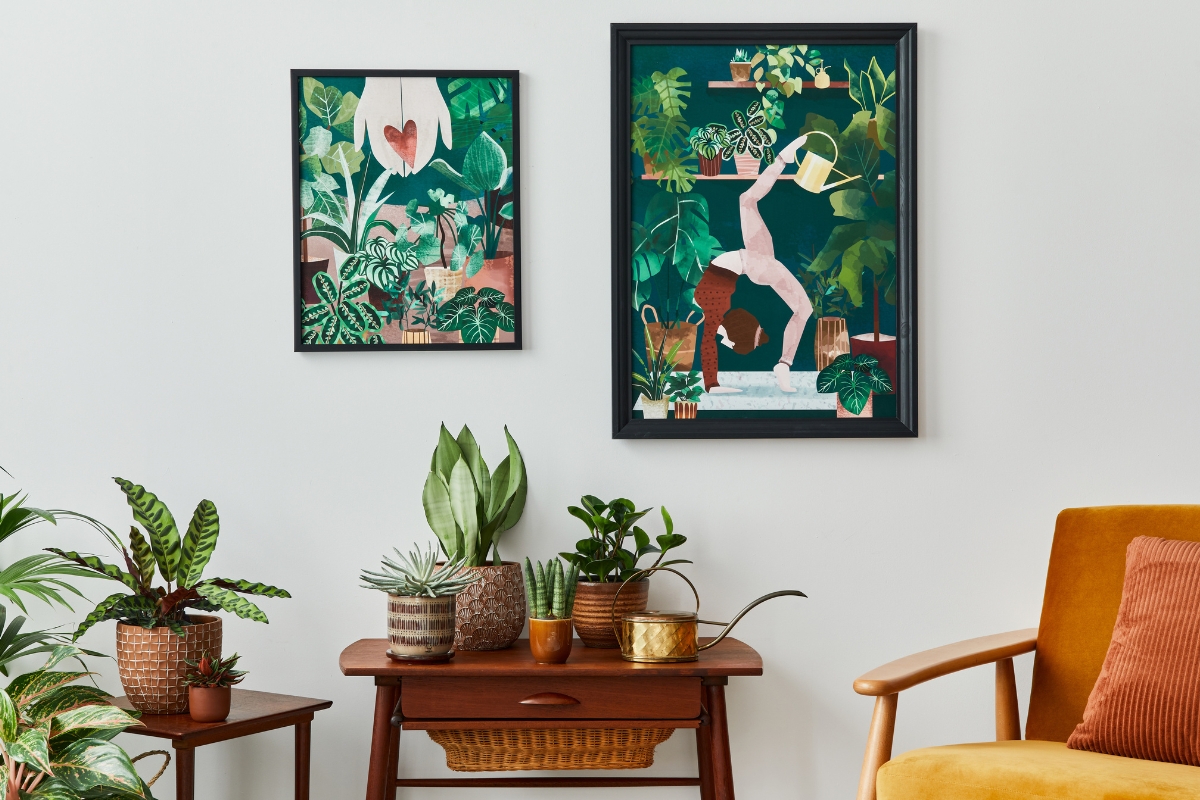
Not every wall should be layered. Choose a focal point:
-
Bedroom: behind the bed
-
Living room: behind the sofa or TV
-
Dining room: the wall opposite a buffet
-
Entryway: first impression wall
Choose a Base Layer
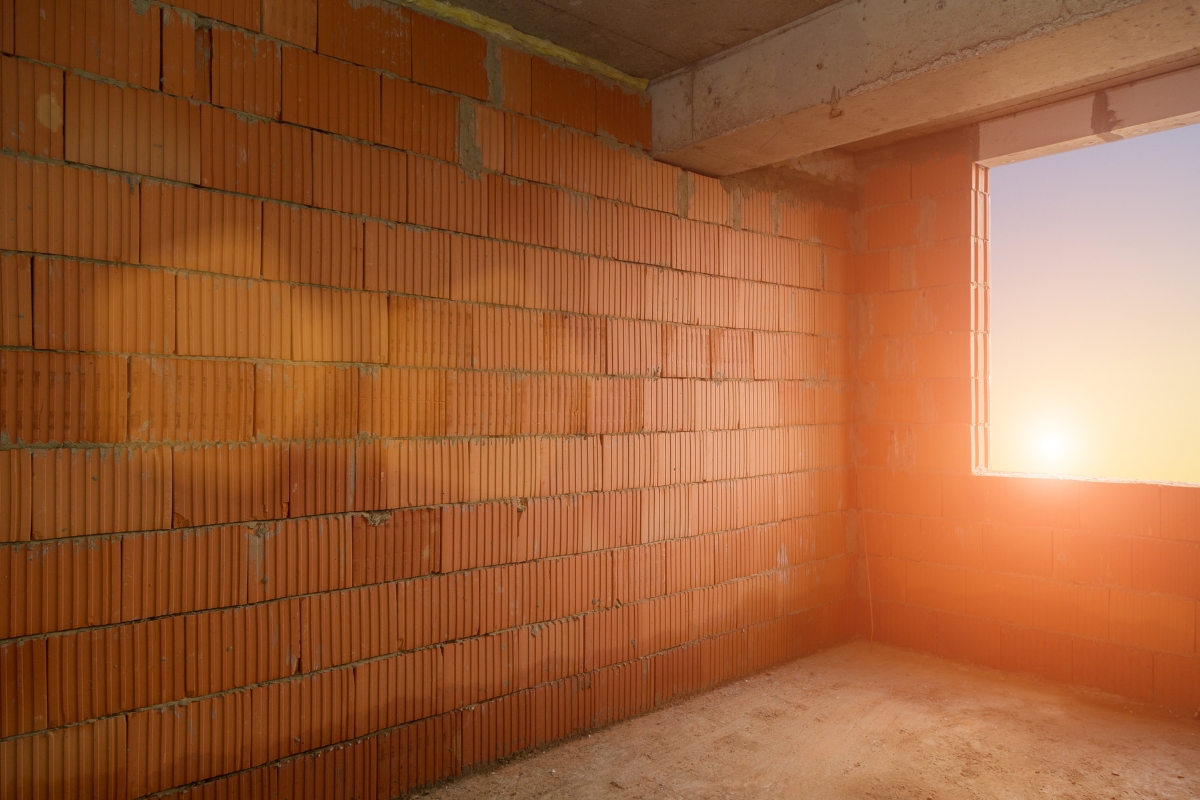
The base layer sets the tone. Consider:
-
Textured paint or plaster: perfect for subtle depth
-
Paneling or slats: ideal for architectural interest
-
Wallpaper mural: if you want instant pattern and drama
Add Secondary Layers
This is where you bring in dimension:
-
Sculptural objects or wall hangings
-
Shelves with decorative accents
-
Framed prints or gallery arrangements
The goal is balance, not clutter.
Focus on Lighting
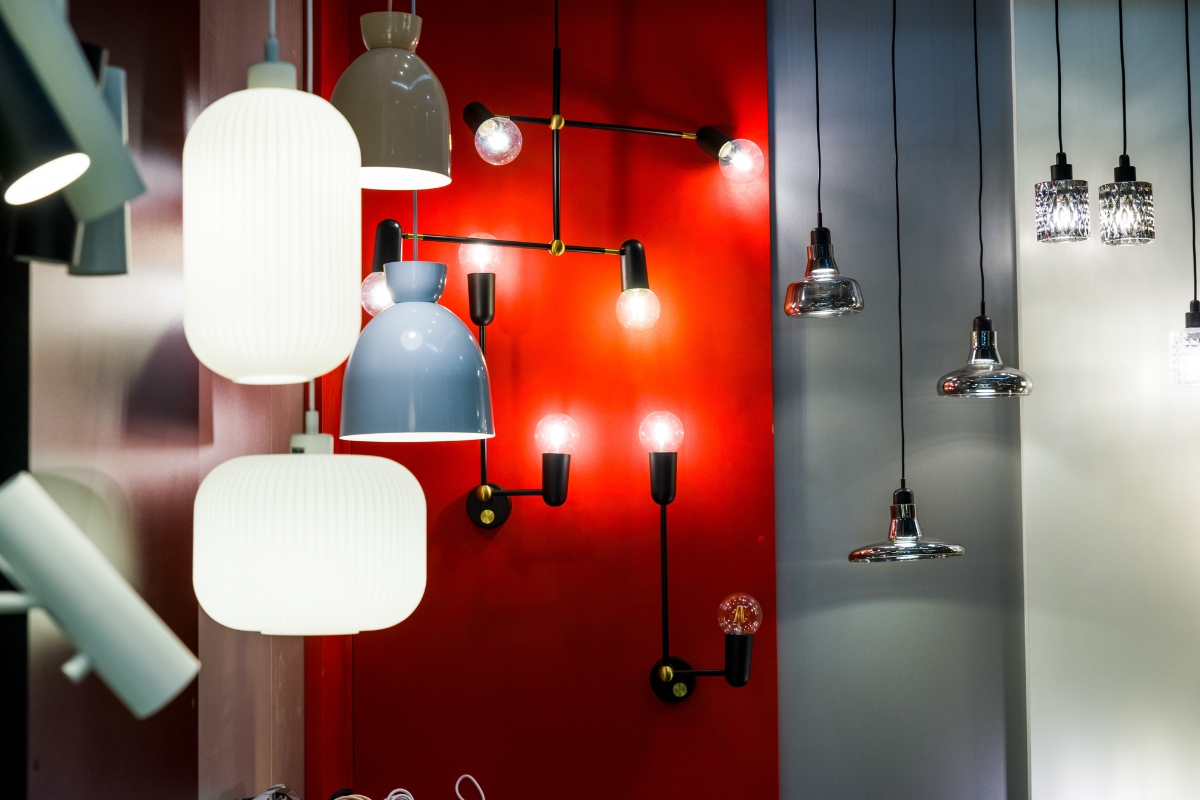
Layered walls really shine under the right light. Consider:
-
Wall sconces highlighting texture
-
Picture lights for gallery arrangements
-
LED strip lighting under shelves for a subtle glow
Lighting can transform even a small DIY wall project into something that feels high-end.
Edit & Adjust
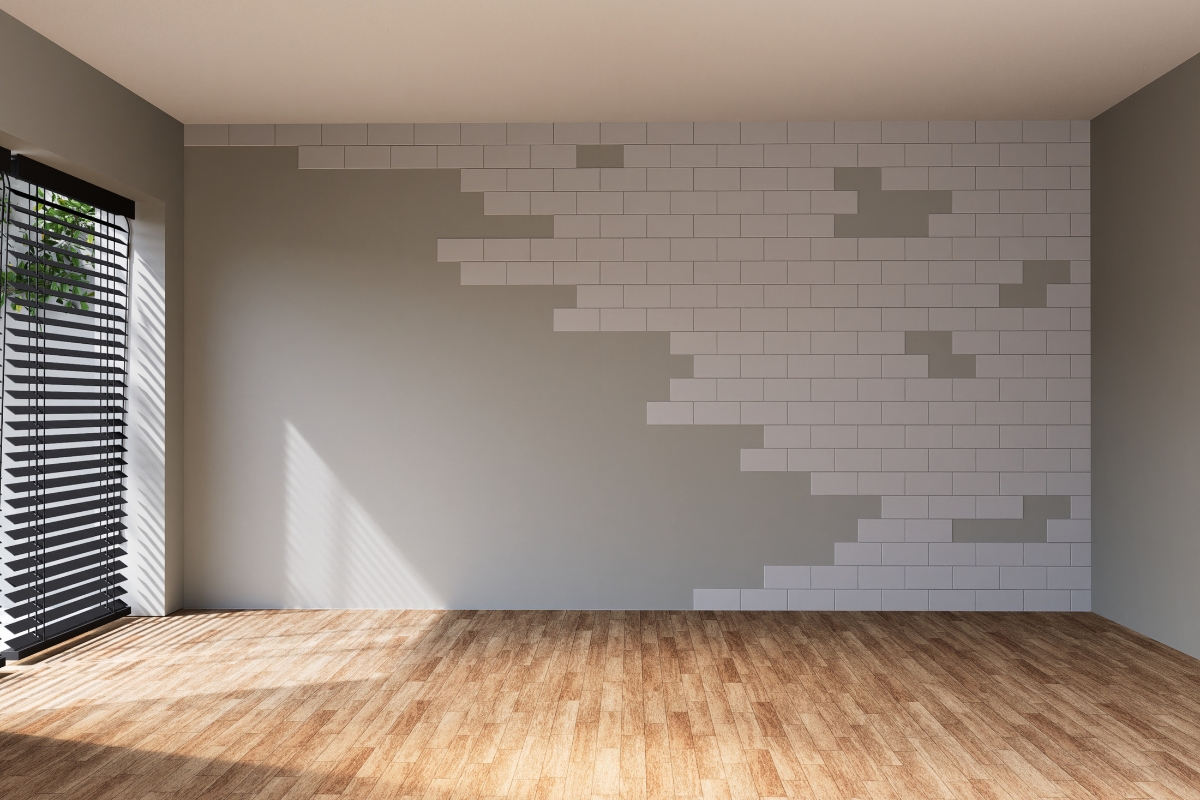
Take a step back. Is the wall busy? Are the layers working together? Remove or reposition elements as needed. The best layered walls feel curated, not chaotic.
Budget-Friendly & DIY Ideas
You don’t need a $5,000 designer wall to make a statement. Here are some ideas:
DIY Panel Wall
-
Materials: MDF strips, plywood, or peel-and-stick slats
-
Tip: Paint the whole wall one color for a cohesive, elevated look
-
Cost: Under $150 for a small accent wall
DIY Textured Finish
-
Materials: joint compound or lime plaster
-
Technique: Apply in thin layers with a trowel for a soft, artisanal finish
-
Bonus: You can tint it with natural pigments to match your palette
Affordable Sculptural Wall Decor
-
Thrift ceramic vases, woven baskets, or even handmade paper art
-
Arrange in clusters to mimic a 3D effect
Gallery Wall on a Budget
-
Print digital art for $2–$5 each
-
Use spray-painted thrift frames for a cohesive look
-
Stick to 2–3 color tones for simplicity
These options allow anyone to join the trend without overspending.
Common Mistakes to Avoid
Even fun trends can go wrong if you’re not careful:
Layering Every Wall
Less is more. Pick one focal wall per room. Too many layered walls can feel overwhelming.
Ignoring Scale
Small art on a large panel wall feels lost. Big walls need proportional accents. A simple rule: wall art should cover at least 60% of the wall width above a sofa or bed.
Clashing Colors or Undertones
Stick to a cohesive palette. Warm textures with cool paints can create visual dissonance.
Forgetting Light
Texture disappears in dim lighting. Highlight your layers with well-placed lamps, sconces, or ceiling spotlights.
Overcrowded Shelves
Floating shelves are perfect for layering, but too many objects can feel messy. Leave breathing space to keep the wall elegant.
Personal Experience-Styling a Layered Wall
When I experimented with wall layering design, I started with a neutral painted wall. Then I added framed artwork and floating shelves. I also included a small wall light to highlight the pieces.
As a result, the wall felt more stylish and complete. In fact, layering created depth without overcrowding. Moreover, combining textures improved visual interest.
Real-Life Example-Layered Wall Transformation
One homeowner redesigned a blank living room wall using layered décor. Not only did they add artwork, but they also introduced shelves and textures.
Large framed artwork
Floating wall shelves
Decorative objects and plants
Soft wall lighting
Consequently, the wall felt more dynamic and modern. Furthermore, layered styling created a focal point.
Case Study-Modern Layered Wall Design
A family wanted to upgrade a plain wall without renovation. Therefore, designers used layered décor elements. Meanwhile, they kept the palette neutral.
Textured wall panel base
Layered framed artwork
Floating shelves with décor
Accent wall lighting
Neutral color palette
As a result, the wall became stylish and balanced. Layering techniques like mixing materials and adding lighting are commonly used to create depth and visual interest in interior spaces. (Homes and Gardens)
Author Credibility
This article is inspired by ideas shared on SilkRaj.com and written by Md. Sohel Parvez, Pinterest Marketing Manager and part of the SilkRaj creative team. He specializes in wall layering design and modern interior styling.
Moreover, his expertise focuses on textured walls, layered décor, and balanced focal designs. In addition, his work highlights creative wall styling ideas that improve depth and visual harmony.
Key Elements of Wall Layering Design
Layered Artwork – Combine frames and prints
Wall Shelves – Add depth and functionality
Textured Panels – Create visual interest
Accent Lighting – Highlight wall décor
Mixed Materials – Wood, fabric, metal
Outbound Links
Layered Wall Styling Ideas
https://www.thespruce.com/the-best-design-tip-i-ever-got-from-the-pros-11944864
Textured Wall Design Guide
https://www.homesandgardens.com/interior-design/textured-wall-ideas
Modern Wall Decor Inspiration
https://www.decoist.com/modern-wall-decorating-ideas/
Wall Decor Tips
https://www.housebeautiful.com/design-inspiration/
Conclusion
Wall layering design adds depth, texture, and personality to modern interiors. Furthermore, combining artwork, shelves, and lighting creates visually balanced spaces. Ultimately, layered walls help transform plain interiors into stylish focal points.
FAQ
What is wall layering design?
Decorating walls using multiple-layered elements.
How do I create a layered wall?
Combine artwork, shelves, textures, and lighting.
Is wall layering good for small rooms?
Yes — use fewer elements for balance.
What materials work best for layered walls?
Wood panels, artwork, wallpaper, and shelves.
Final Thoughts & Inspiration
Layered walls are more than a trend — they’re a chance to make your space feel alive, personal, and luxurious. From textured plaster and paneling to sculptural objects and curated shelves, there’s a way to make it work in any home, large or small.
The beauty of this trend is that it’s flexible. You can start small with a gallery wall or a floating shelf, or go bold with architectural paneling and tactile finishes. Even one hero wall can elevate an entire room.
Remember: design is about storytelling. Each layer on your wall adds a chapter, whether it’s texture, art, or decor. And the best part? You don’t need to spend a fortune — just thoughtful placement, a little DIY, and your personal touch.
By 2026, layered walls aren’t just decoration — they’re a statement, a mood, and a home’s personality all rolled into one. So grab a trowel, pick your frames, and start building walls that people won’t stop noticing.
Read More: